

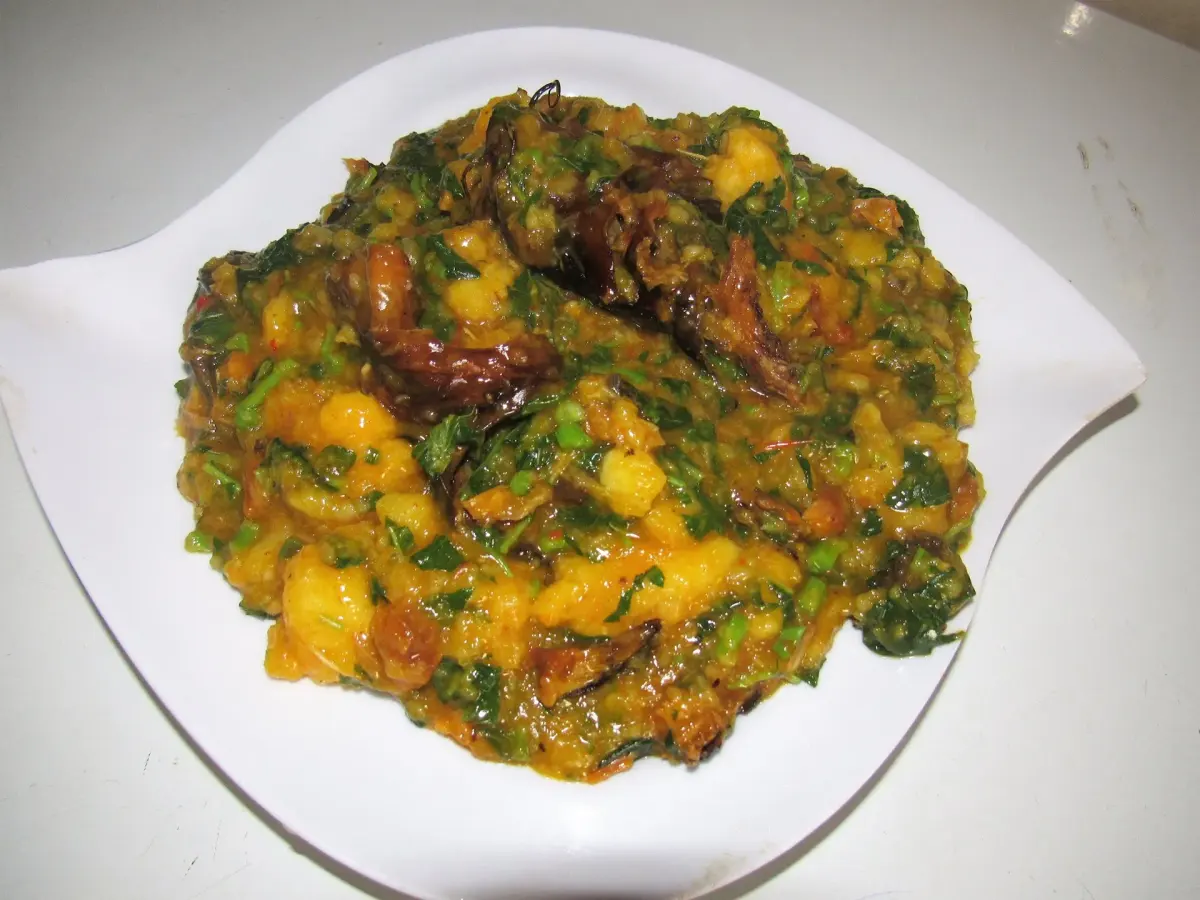
Ikokore - Nigerian Water Yam Pottage
Aperçu
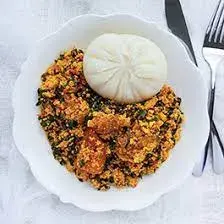
Ikokore, also called ifokore, is the water yam pottage of the Ijebu people of Ogun State, and the specific yam is what makes it. Water yam, isu ewura in Yoruba, is wetter and more mucilaginous than the white yam used in ordinary yam porridge, and grated rather than cut it produces a texture somewhere between a pudding and a porridge that no other yam reproduces. The grating is the technique. Cut yam gives you yam porridge; grated water yam falls into the hot pot in irregular lumps that set as they cook, which is the texture Ijebu people are looking for and the reason the dish has its own name. Blending is possible but has to be done slowly, since a fine puree loses the lumps entirely. It is community food. Ikokore was made at gatherings, festivals and ceremonies, prepared collectively by women working together, and it carries that association still. Ijebu people are direct about its status, and the pairing they will name without hesitation is ikokore with cold eba. It also improves overnight, which is a claim the source makes and which holds true for most Nigerian pottages.
Note de Patrimoine AFN
Ikokore is documented as a dish of the Ijebu people of Ogun State in southwestern Nigeria, made from grated water yam, Dioscorea alata, rather than the white yam used in other Nigerian yam pottages. Its earliest documented date is uncertain.
Ingrédients
Les mentions alimentaires sont fournies par les contributeurs à titre indicatif. Elles ne sont pas vérifiées par AFN et dépendent des produits que vous achetez. En cas d’allergie grave, vérifiez vous-même chaque ingrédient. Cuisine, allergies et votre propre jugement
Préparation
- 1
Peel and grate the water yam.
- 2
Heat the palm oil in a pot over medium heat until it becomes clear, taking care not to overheat it.
- 3
Add the diced scotch bonnet to the hot oil, adjusting the quantity to the heat you want.
- 4
Add the shredded smoked and dried fish and fry for a few minutes to release their flavour into the oil.
- 5
Add the shredded meat and ponmo and cook until browned and coated in the spiced oil.
- 6
Stir in the crayfish and the smoked prawns if using.
- 7
Add the grated yam bit by bit, stirring continuously so it blends into the mixture.
- 8
Add the iru and season with salt and seasoning to taste.
- 9
Add the leafy vegetable if using, and simmer until the yam lumps are cooked through.
Notes de l’Africook
 Notes personnelles de Deborah Olayiwola
- Grate the yam rather than cutting or blending it. The irregular lumps that form as the gratings hit the hot pot are what ikokore is, and cut yam gives you ordinary yam porridge instead.
- If you must use a blender, run it at the lowest speed and stop early. A smooth puree loses the texture entirely.
- Add the grated yam gradually rather than all at once, so it sets into distinct lumps rather than one mass.
- Water yam is slippery to grate and will irritate some people's hands. Rinse and oil your hands first, or wear gloves.
- It is better on the second day, and Ijebu people pair it with cold eba rather than a hot swallow.
Questions fréquentes
What is water yam and can I substitute white yam?
Water yam, Dioscorea alata, is a distinct species with a wetter, more mucilaginous flesh that often has a purplish tint. It is what allows grated ikokore to set into lumps. White yam will not do this: it stays firm and gives you yam porridge rather than ikokore. Water yam is sold at Nigerian grocers and is worth seeking out specifically.
What is the difference between ikokore and yam porridge?
The yam and the cut. Yam porridge uses white yam cut into cubes that soften and partly break down. Ikokore uses water yam grated into a wet mass that sets into irregular lumps in the hot pot, giving a pudding like texture. They are different dishes despite both being described as pottages.
Can I use a blender instead of a grater?
Yes, with care. Blend at the lowest speed and stop while the mixture is still coarse and lumpy. A smooth puree cooks into a uniform paste and loses the texture the dish depends on. A box grater gives the most reliable result and is what most Ijebu cooks use.
What is ikokore eaten with?
Cold eba is the pairing Ijebu people name first and is considered the definitive combination. It is also eaten on its own as a complete one pot meal, which is how it is most often served outside Ogun State. Fried plantain on the side is common.
Avis
3 avis
Vous Aimerez Aussi
Voir toutes les recettes Nigeria →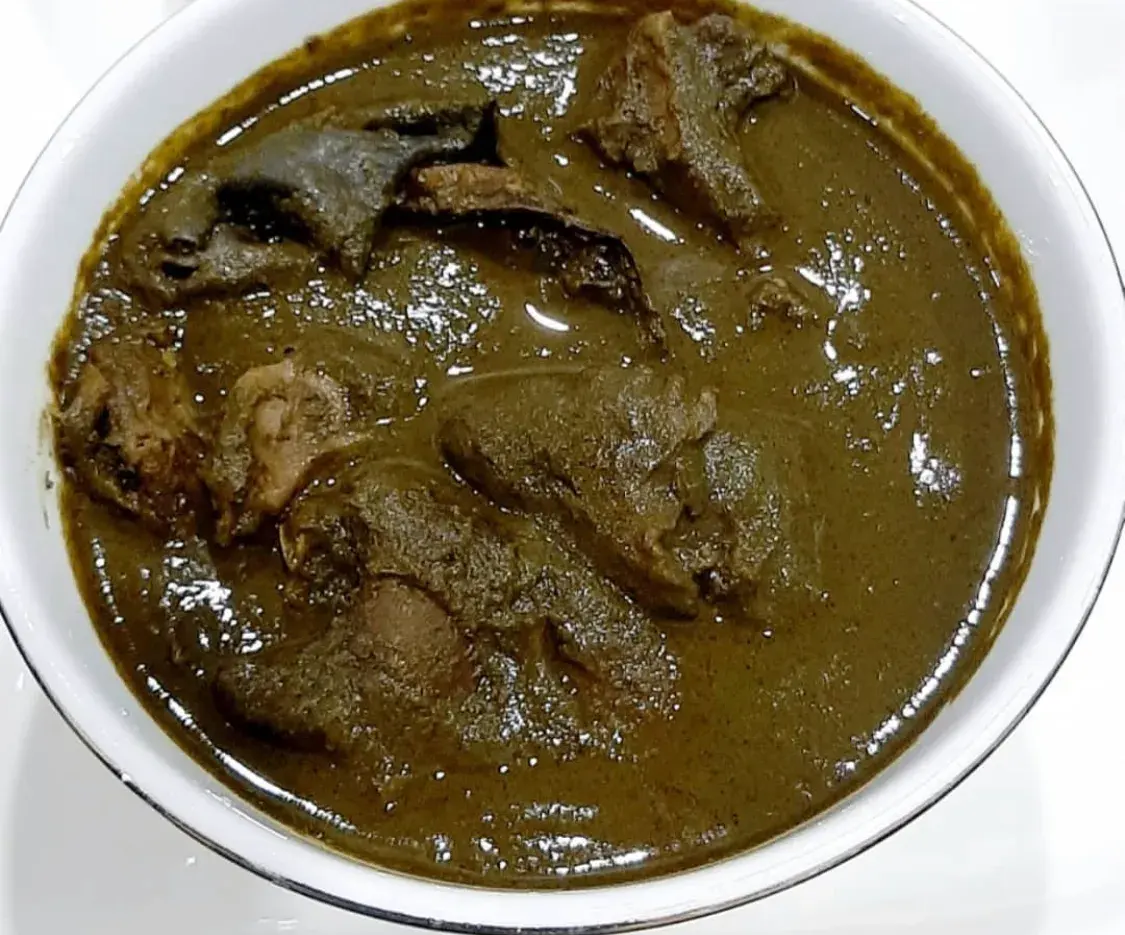
Edo Black Soup
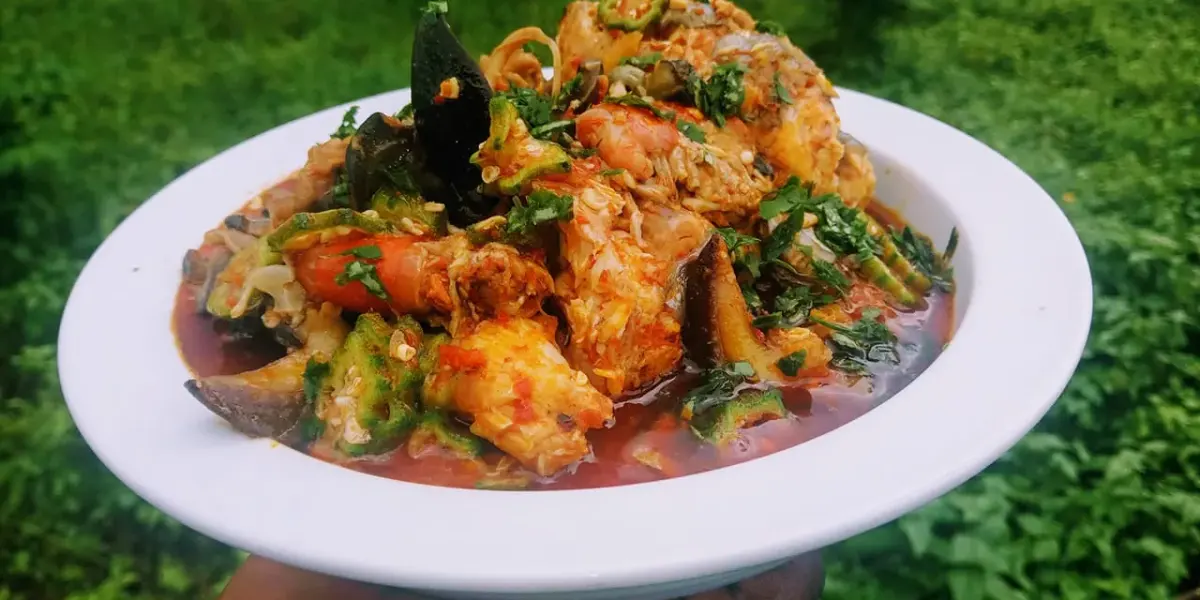
Nigerian Fisherman Soup
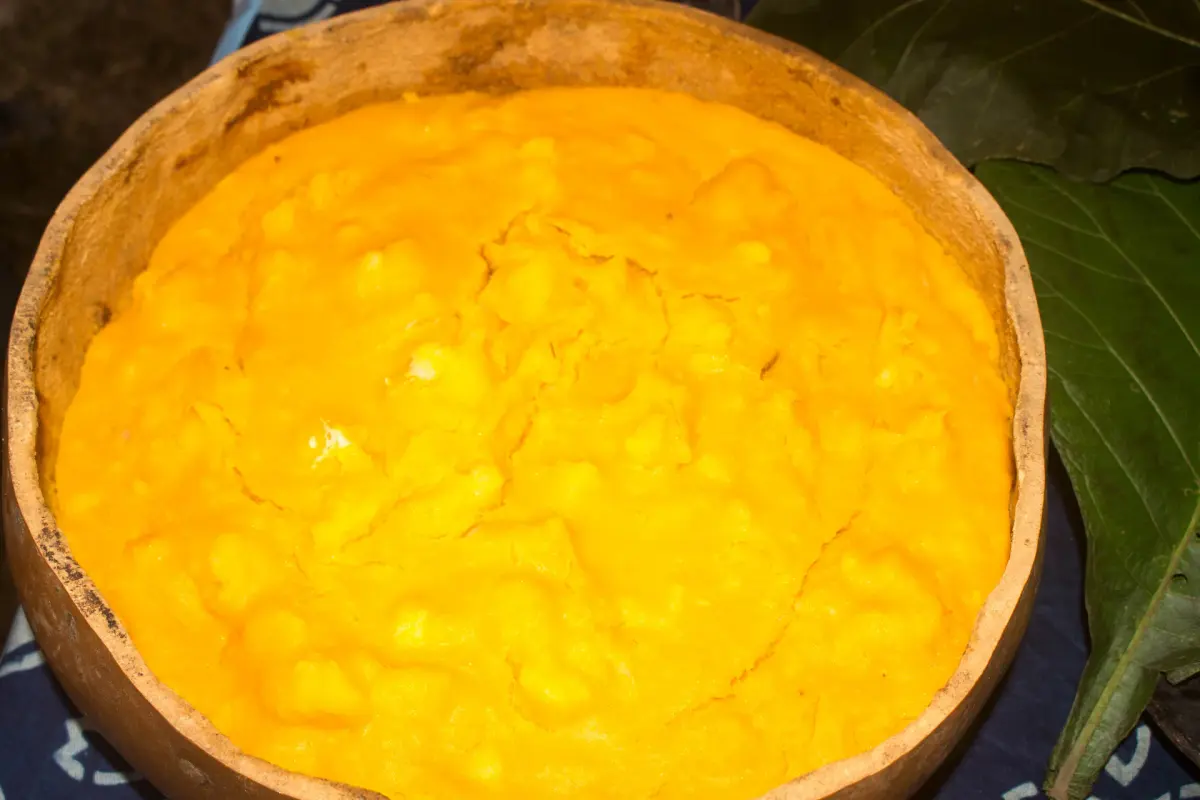
Igbo Yam Porridge
Had to drive all the way down to Inglewood just to get proper fermented iru and smoked prawns for this. couldn't find ponmo anywhere so I doubled up on the shredded beef instead. My husband said it was lekker! Just 2 1/2 cooking spoons of palm oil was perfect, but it needed a bit more salt than stated because my dried fish was quite mild. Will make again just now for the weekend.
My grandmother from Ijebu Ode would be proud o! I was worried the water yam wouldn't hold its shape when dropping it into the oil, but grating it finely made all the difference. Southwest Farmers Market here in Houston finally had fresh water yam last week so I bought two tubers. The taste of the smoked panla and crayfish brought back so many memories. E sweet sha!
Grating the water yam took absolute ages and my knuckles took a beating, but this turned out lovely. Had to trek down to the Moor Market in Sheffield to find the water yam and dried panla, the lady at the stall was dead helpful explaining how to use the iru. The flavour from the smoked fish cooked in the palm oil is incredible.