
Asaro (Nigerian Yam Porridge)
Aperçu
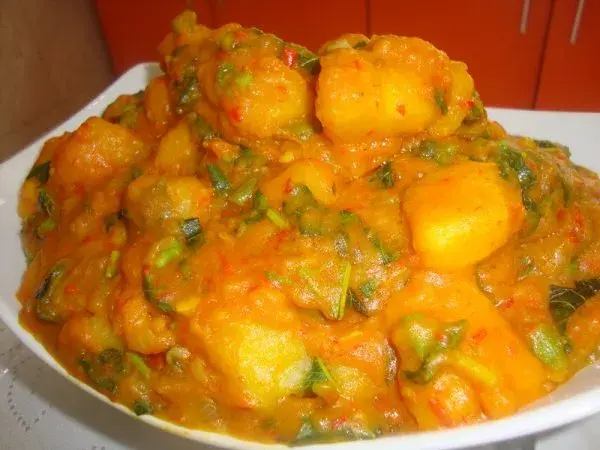
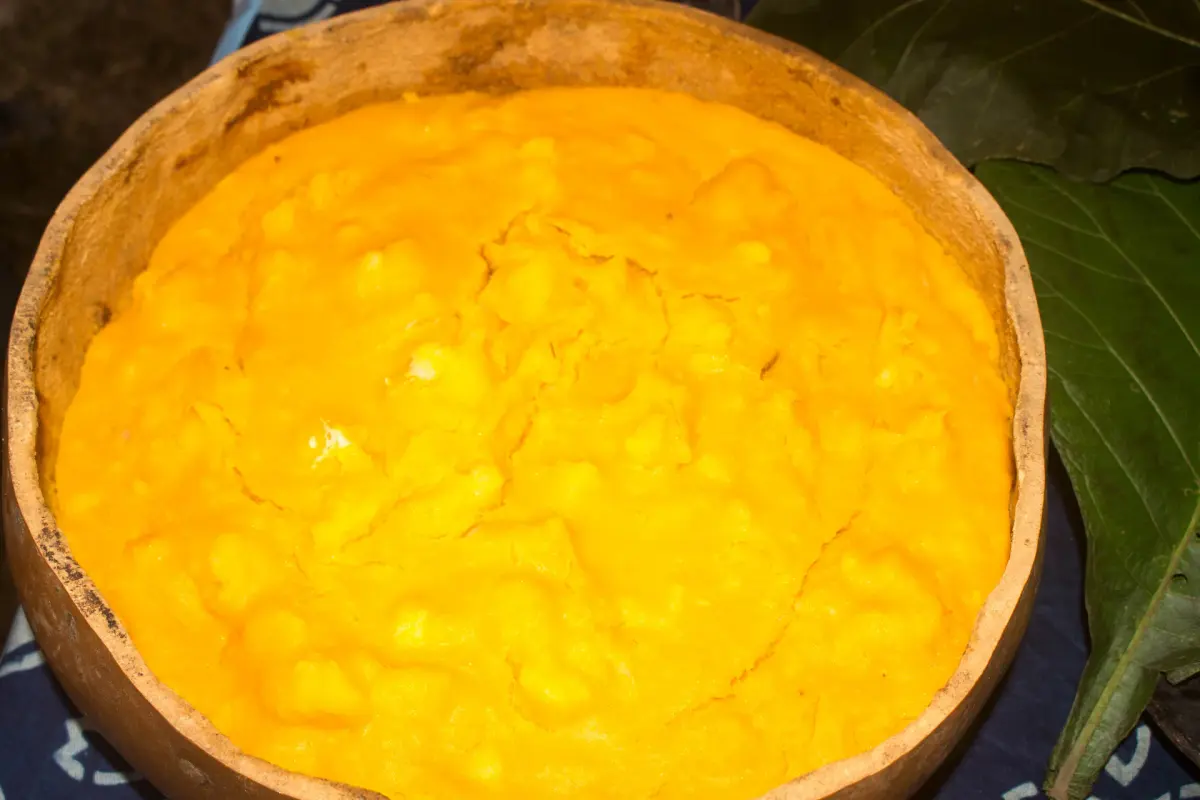
Asaro is yam cooked down in a seasoned pepper base with palm oil until part of it collapses into a thick, orange-red mash while some pieces stay whole. It comes from the Yoruba of southwestern Nigeria and is now eaten across the country. The texture is the dish. Mashing all of it gives you something closer to a purée; leaving it all in pieces gives you yam in sauce. Asaro is deliberately between the two, enough breaks down to thicken everything, enough survives to give you something to bite. The palm oil is not incidental either: it supplies the colour and a distinct earthy richness that no other oil reproduces. There is a naming point the source raises and gets broadly right. What Nigerians call porridge is closer to what English calls pottage, a thick one-pot dish of a starch cooked with vegetables and sometimes meat, rather than the European breakfast sense of a grain cooked in liquid. The two words are used interchangeably in Nigeria. The source also identifies mpotompoto as the Ghanaian counterpart. The dishes are close relatives rather than the same thing, and that has been noted rather than asserted as fact.
Note de Patrimoine AFN
Asaro is a Nigerian yam pottage originating with the Yoruba of southwestern Nigeria and eaten throughout the country. Yam is cooked in a seasoned pepper and palm oil base until partly broken down, and the dish is served as a main course.
Ingrédients
Les mentions alimentaires sont fournies par les contributeurs à titre indicatif. Elles ne sont pas vérifiées par AFN et dépendent des produits que vous achetez. En cas d’allergie grave, vérifiez vous-même chaque ingrédient. Cuisine, allergies et votre propre jugement
Préparation
- 1
Peel the yam, cut it into cubes of about 2 cm and leave them in cold water until you need them.
- 2
Chop the onions, tomatoes, chilli and bell peppers finely, or blend them to a coarse purée.
- 3
Put the cubed yam into a large pot with enough water to cover.
- 4
Cook over medium-high heat for 15 minutes.
- 5
Tip in the onions, tomatoes, chilli, bell peppers and all the remaining seasonings along with the palm oil.
- 6
Mix everything through, then cover the pot again.
- 7
Keep it at a strong bubble for 5 minutes, then lower the heat.
- 8
Once the yam is soft, mash part of it against the side of the pot to thicken the dish, deliberately leaving some cubes whole.
- 9
Season with salt to taste and serve hot.
Notes de l’Africook
- Mash only some of it. The contrast between thick base and whole pieces is what makes asaro asaro rather than mashed yam.
- Use palm oil, not vegetable oil. The colour and the earthy flavour are both coming from it and there is no substitute.
- Keep the yam in cold water after peeling. It discolours quickly once exposed to air.
- Cut the cubes evenly so they soften at the same rate, otherwise some dissolve while others stay hard.
- Add liquid gradually. Asaro should be thick, and yam that has been drowned cannot be rescued by cooking it longer.
- It reheats well, though it thickens considerably in the fridge, so loosen it with a splash of water.
Questions fréquentes
What is the difference between porridge and pottage?
In Nigerian usage, nothing, the two words are used interchangeably for dishes like this one. The distinction matters mainly for English speakers elsewhere, where porridge means a grain cooked in liquid and eaten at breakfast. Asaro is a thick one-pot dish of yam cooked with peppers, oil and seasoning, which is much closer to the older English sense of pottage. The source makes this point and it is a fair one.
What yam should I use?
White yam, the West African species sold in African and Caribbean grocers as puna or water yam, is what this dish is built on. It is starchy and holds its shape until it is ready to break down, which is exactly what asaro needs. Do not substitute sweet potato, which is a different plant entirely and far sweeter, the resulting dish would be pleasant but it would not be asaro.
Can I make it without palm oil?
You can cook yam in a pepper sauce with any oil, but the result is a different dish. Palm oil supplies the deep orange-red colour and a specific earthy, slightly savoury richness that no other oil provides, and asaro without it looks and tastes noticeably plainer. If you must substitute, use a neutral oil and accept the difference rather than trying to recreate the colour with paprika.
Is asaro the same as Ghanaian mpotompoto?
They are close relatives rather than the same dish. Both are thick one-pot preparations of a starchy tuber cooked down in a seasoned base, and the source names mpotompoto as the Ghanaian equivalent. The details differ by cook and by region on both sides of the border, and the claim has been noted here rather than asserted as established fact, since the source offers it without support.
Avis
Soyez le premier à noter cette recette
Vous l’avez cuisinée ? Votre note aide la personne suivante à se décider.
Aucun avis sur cette recette pour le moment. Si vous l’avez cuisinée, le vôtre serait le premier.
Vous Aimerez Aussi
Voir toutes les recettes Nigeria →
Edo Black Soup
Nigerian Fisherman Soup
Igbo Yam Porridge