
Awaze (Ethiopian Chilli Dip)
Abuja, Nigeria · Voir toutes les recettes
Aperçu
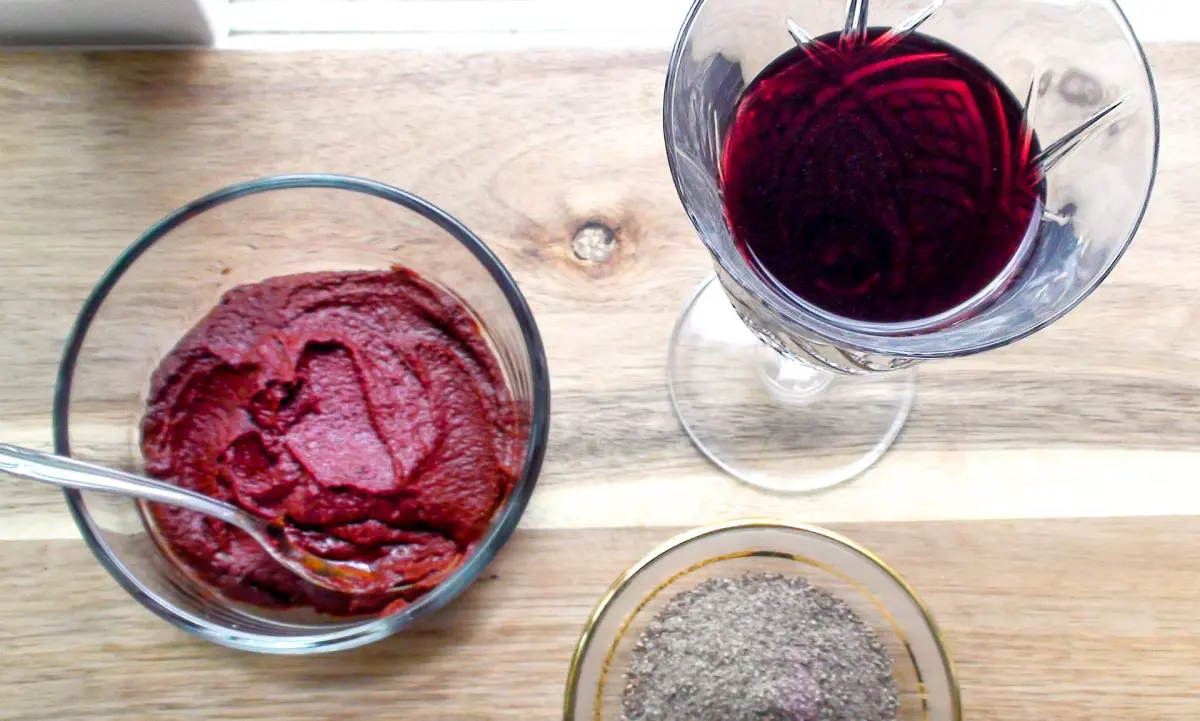
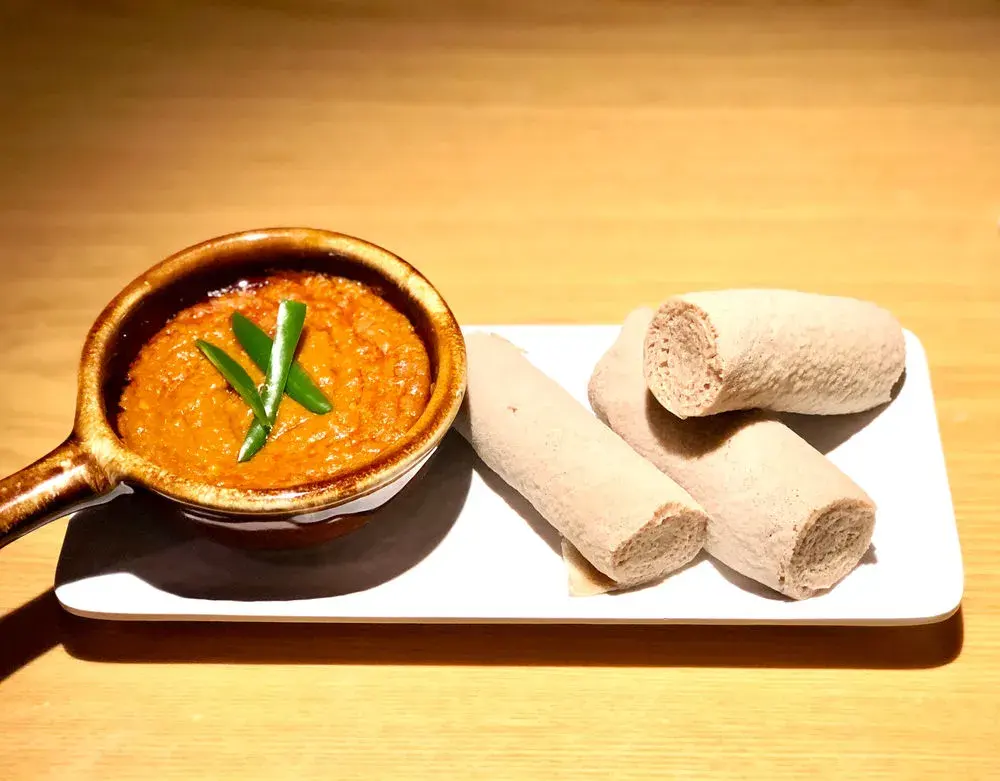
Awaze is the Ethiopian red chilli paste, built on berbere and loosened with an alcoholic liquid into a thick dip. It is extremely hot, it takes five minutes to make, and it goes with almost everything on an Ethiopian table. Berbere is what it is built on, and berbere is itself a blend: dried chillies, garlic, ginger, onion, rue seeds, cardamom, cloves and cinnamon. Awaze takes that and turns it into something spoonable. The liquid matters more than it sounds. Traditionally it is tej, the Ethiopian honey wine made with gesho, the shiny-leaf buckthorn, or areki, a strong spirit. This recipe uses red wine, which the contributor prefers and which is far easier to find. Its traditional place is at celebrations. Awaze is made for weddings and special occasions and served with raw meat, and gored gored, cubed raw beef with dipping sauce, is considered by many an unofficial national dish that no Ethiopian celebration is complete without. That is worth knowing about what the dip is for. Because of the wine, this is not alcohol-free, and mitmita, the other Ethiopian chilli blend with pili-pili peppers and cardamom, is a related but different thing.
Note de Patrimoine AFN
Awaze is an Ethiopian chilli paste built on berbere and thinned with tej, the honey wine made with gesho, or with areki. It is traditionally made for weddings and celebrations and served with raw meat.
Ingrédients
Les mentions alimentaires sont fournies par les contributeurs à titre indicatif. Elles ne sont pas vérifiées par AFN et dépendent des produits que vous achetez. En cas d’allergie grave, vérifiez vous-même chaque ingrédient. Cuisine, allergies et votre propre jugement
Préparation
- 1
Mix all the ingredients together until you have a smooth consistency.
- 2
Store the awaze in the refrigerator for up to a week.
Notes de l’Africook
- Tej, the Ethiopian honey wine, or areki, a strong spirit, are the traditional liquids. Red wine is the practical substitute and white wine works too.
- Let it sit an hour or two before serving. The berbere needs time to hydrate fully and the flavour rounds out considerably.
- Adjust the water to the consistency you want: thicker for a dip, looser for a sauce spooned over meat.
- It is genuinely very hot. Berbere is a chilli blend to begin with and awaze concentrates it.
- A week in the fridge is the keeping time. It is not cooked, so it will not last longer.
- This contains alcohol as written. Water alone in place of the wine gives a milder, flatter paste but no alcohol.
Questions fréquentes
What is berbere?
Berbere is the foundational Ethiopian spice blend: dried chillies, garlic, ginger, onion, rue seeds, cardamom, cloves and cinnamon, in proportions that vary by household. It is used across Ethiopian cooking and is what awaze is built on. It is sold ready blended at Ethiopian grocers and online.
What is the difference between awaze and mitmita?
Both are Ethiopian chilli preparations and they are not the same. Mitmita is a dry blend of hot pili-pili peppers, cardamom seeds, cloves and salt. Awaze is a wet paste made from berbere loosened with an alcoholic liquid, and it is used as a dip or a sauce rather than as a sprinkled seasoning.
Does it have to contain alcohol?
Traditionally yes: tej, the honey wine, or areki, a strong spirit, is what thins it. This recipe uses red wine. You can make it with water alone and it will still work as a chilli paste, but it will be flatter and will not keep as well, since the alcohol contributes to both.
What is awaze served with?
Raw meat above all, in the Ethiopian tradition, particularly gored gored, the cubed raw beef served with dipping sauce that many consider an unofficial national dish. It also goes with grilled meats, tibs, kitfo and injera, and it works as a marinade for anything going on a grill.
Avis
Soyez le premier à noter cette recette
Vous l’avez cuisinée ? Votre note aide la personne suivante à se décider.
Aucun avis sur cette recette pour le moment. Si vous l’avez cuisinée, le vôtre serait le premier.
Vous Aimerez Aussi
Voir toutes les recettes Ethiopia →
Ethiopian Berbere Cabbage - Atakilt Wat
Shiro Wat (Ethiopian Chickpea Stew)