

Palm Wine Cocktail
Aperçu
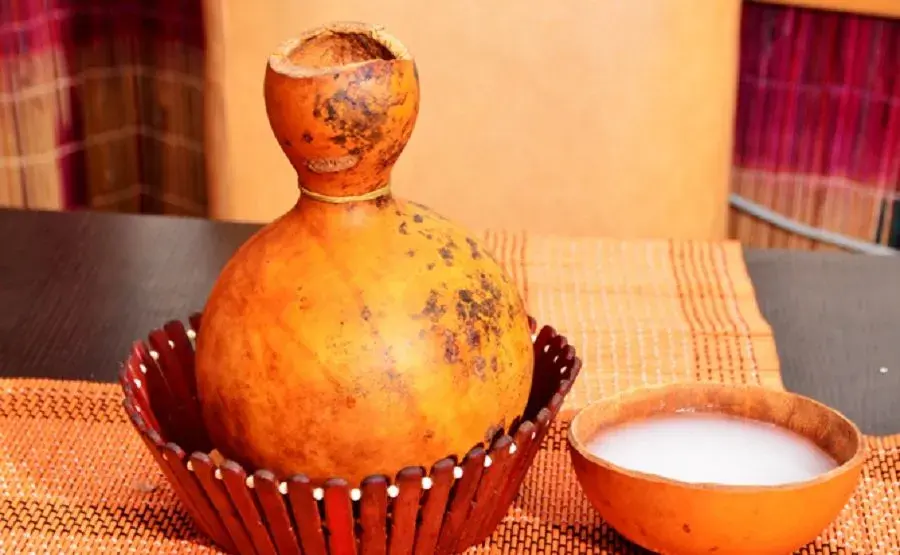
Palm wine is the sap of palm trees, collected and left to ferment, and it is drunk across West and Central Africa. It is called nsafufuo in Ghana and emu in Nigeria, where ogogoro refers to the distilled spirit made from it rather than the wine itself. Tapping is a specialised job. Tappers climb to the upper part of the tree, where the sap is drawn from the crown, or a felled trunk is opened and the sap collected in jars. What comes out is white, sweet and barely alcoholic, and it begins fermenting the moment it is exposed to the wild yeasts in the air. Within about two hours it has developed roughly the alcohol content of a beer, and it keeps getting stronger and more sour from there. That speed explains everything about how it is sold. Traditional producers sell immediately after extraction because the drink changes hour by hour: sweet and mild in the morning, sharp and considerably stronger by evening. There is no way to hold it at a chosen point without modern processing. This recipe is the simplest possible serving, palm wine over ice with citrus and berries, and its purpose is to show what to do with a bottle rather than to teach a technique.
Note de Patrimoine AFN
Palm wine is fermented palm sap drunk across West and Central Africa, known as nsafufuo in Ghana and emu in Nigeria. It ferments on contact with wild yeasts in the air, reaching roughly the alcohol content of beer within about two hours of tapping.
Ingrédients
Les mentions alimentaires sont fournies par les contributeurs à titre indicatif. Elles ne sont pas vérifiées par AFN et dépendent des produits que vous achetez. En cas d’allergie grave, vérifiez vous-même chaque ingrédient. Cuisine, allergies et votre propre jugement
Préparation
- 1
Pour some ice into a clean glass.
- 2
Pour the palm wine over the ice.
- 3
Garnish with fresh berries and orange slices.
- 4
Serve immediately, while cold.
Notes de l’Africook
- Serve it very cold. Palm wine warms quickly and its sourness becomes much more pronounced as it does.
- Taste before you build the drink. Palm wine varies enormously between fresh and sweet and several days old and sharp, and how much citrus it needs depends entirely on that.
- Do not shake or stir hard. It is still lightly fermenting and will foam over.
- Bottled palm wine sold outside West Africa is usually pasteurised and considerably sweeter and flatter than fresh. Treat it as a different drink.
- Fresh palm wine keeps only a day or two refrigerated before turning sour, and after that it is on its way to vinegar.
- This contains alcohol, and the amount varies unpredictably with how long the sap has been fermenting.
Questions fréquentes
What is palm wine and how strong is it?
It is the fermented sap of palm trees, collected by tappers and left to ferment on contact with wild yeasts in the air. Within about two hours it reaches roughly the alcohol content of a regular beer, and it continues to strengthen and sour from there. The strength of any given bottle depends entirely on how long it has been standing.
What is it called across West Africa?
Nsafufuo in Ghana and emu in Nigeria are the common names. Ogogoro in Nigeria refers to the distilled spirit made from palm wine rather than the wine itself, which is a distinction worth keeping straight. Many other names exist across the region, since it is drunk very widely.
How long does palm wine keep?
Fresh, only a day or two refrigerated before it turns sharply sour, and it heads towards vinegar after that. This is why traditional producers sell immediately after tapping. Bottled palm wine sold abroad has usually been pasteurised, which stops the fermentation and keeps it stable but makes it sweeter and flatter.
What is palm wine drunk with?
It accompanies food across West Africa rather than being drunk alone, and it is the traditional partner to abacha and ugba, the Igbo African salad, and to nkwobi and isi ewu. At ceremonies, particularly Igbo traditional weddings, it has a formal role in the proceedings.
Avis
5 avis
Vous Aimerez Aussi
Voir toutes les recettes Nigeria →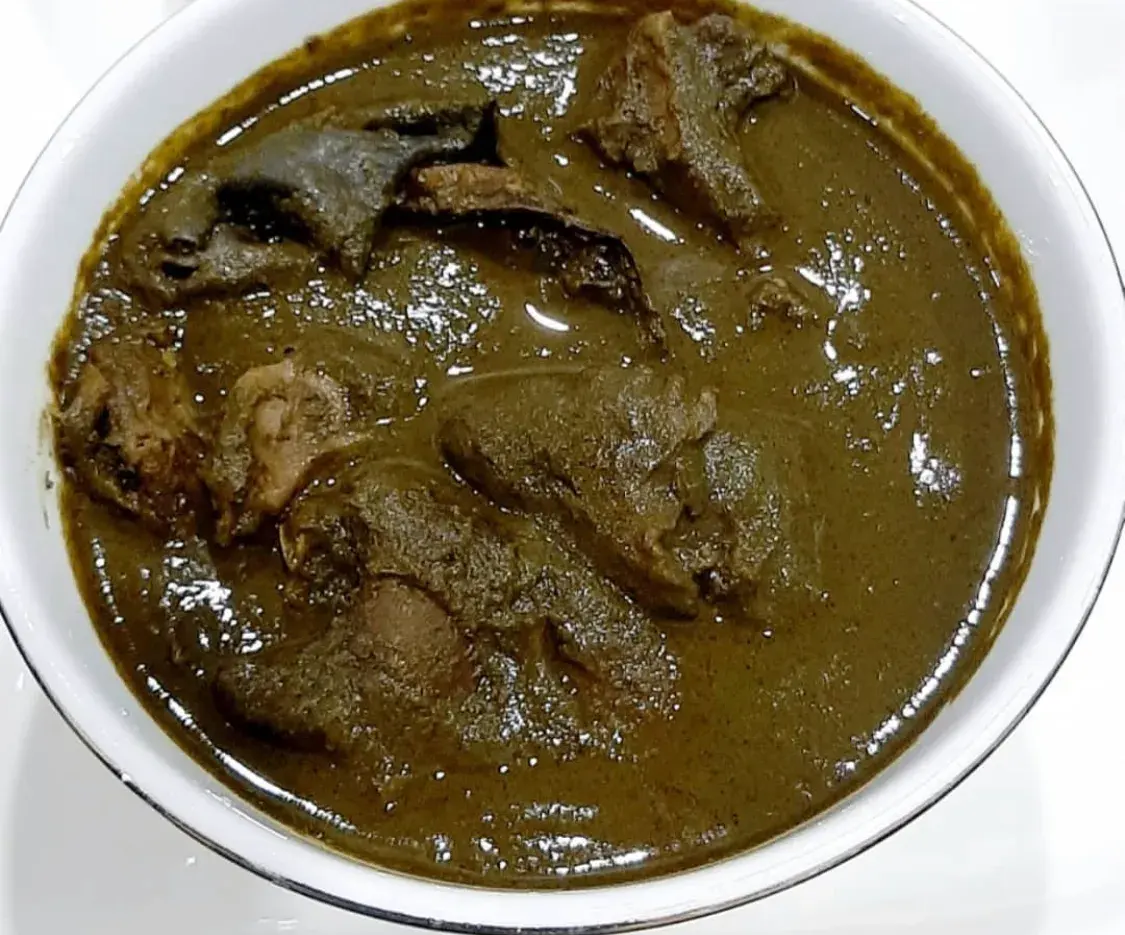
Edo Black Soup
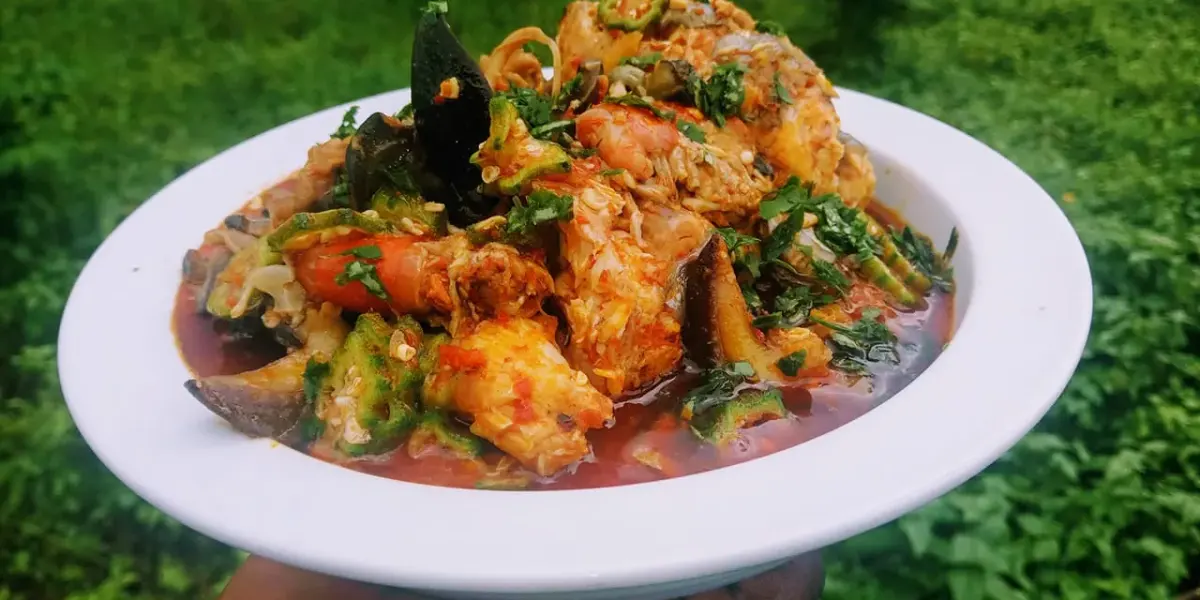
Nigerian Fisherman Soup
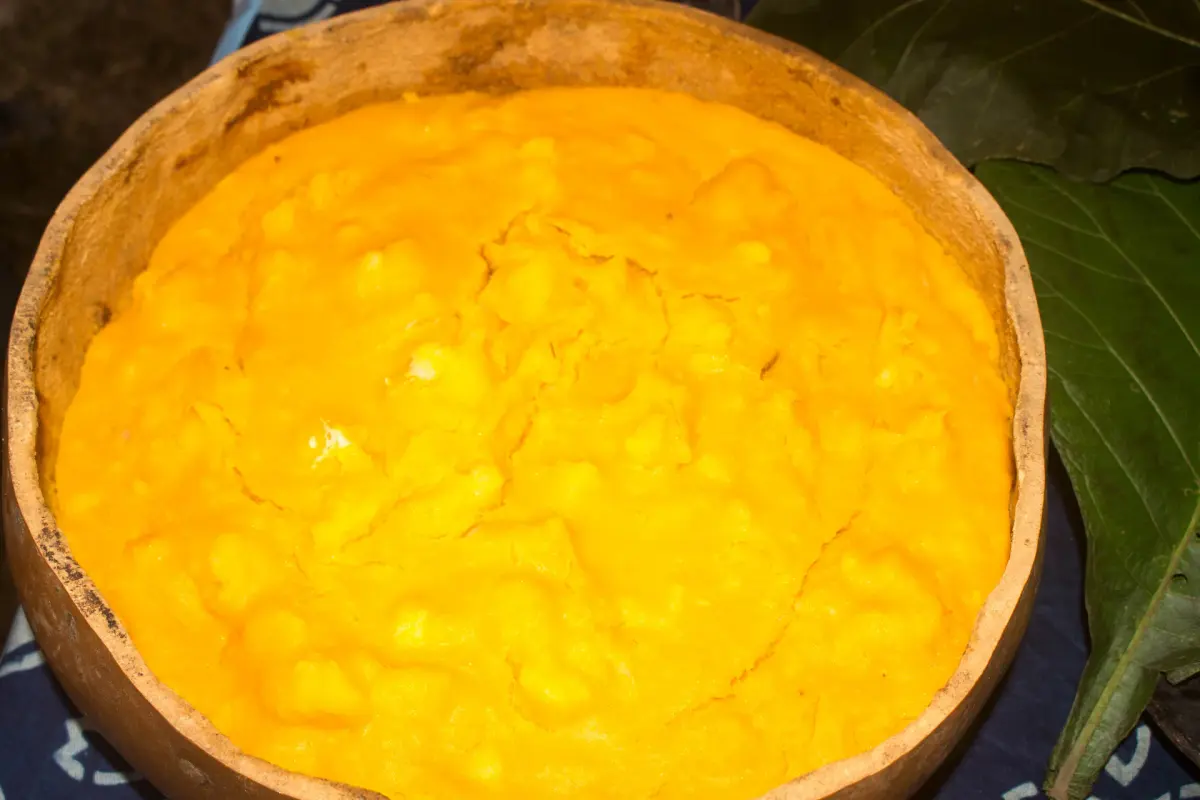
Igbo Yam Porridge
Tracked down a bottle of frozen palm wine at the international market on Murfreesboro Pike just to make this for a dinner party. The citrus from the orange slices really cuts through that funky sweetness. Quick question though, is palm wine supposed to be slightly bubbly or was my bottle starting to ferment more in the fridge? Everyone loved it over lots of ice.
As someone who makes tej at home, I was curious about the fermentation profile of palm wine. Managed to buy a frozen bottle from a store near White Center. Serving it over ice with raspberries works well because the tartness of the berries balances the milky yeast notes. Just do not let the ice melt too much or it dilutes the flavor completely.
Finding fresh emu here in Berlin is practically impossible so I had to settle for a canned brand from the Afro shop near Leopoldplatz. Chilled it overnight and threw in frozen blueberries with the orange slices. E sweet sha, even if it does not have that fresh milky fizz from back home o.
Tasted this when visiting a friend, then tried serving it at home with ice and extra lemon slices to tone down the natural sweetness. It has a sharp bite similar to muratina. Very refreshing on a hot afternoon, simple to prepare.
My people will laugh if they see me putting ice and orange slices inside fresh palm wine that was tapped this morning! But abeg, in this Onitsha heat, chilling it this way makes sense. The citrus takes away that heavy sweetness if the palm wine has stayed until evening.