

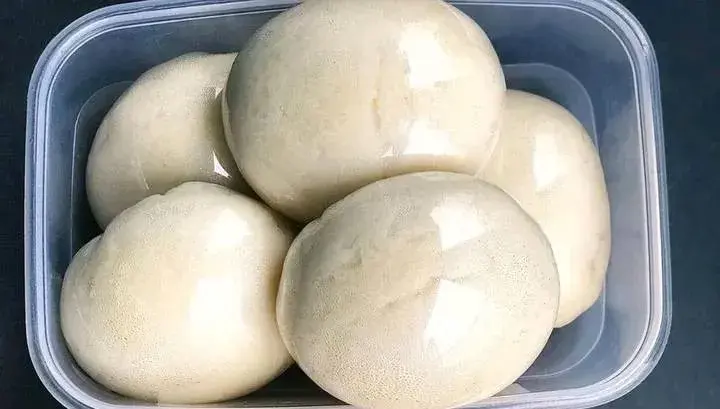
Easy Ways To Make Nigerian Pounded Yam
Aperçu
Pounded yam is white yam softened and then beaten until it becomes smooth, sticky and elastic, and it sits at the top of the Nigerian swallow hierarchy. Nigerians will argue about most things in their food and generally will not argue about this: iyan is what you serve when the occasion matters. The pounding is the dish. The yam is softened, transferred hot to a mortar and worked with a pestle until the structure breaks down completely and the mass turns stretchy, and there is a technique to it that varies between ethnic groups and is learned rather than described. It is hard physical work, traditionally done by women though not exclusively, and the sound of it carries. It is called iyan by the Yoruba, and the same or a closely related preparation is foutou in Côte d'Ivoire, fufu in Togo and Benin, and yam fufu in Ghana, which makes it one of the most widely made yam products in West Africa. Its texture is what distinguishes it from the rest of the swallow family: smoother than eba, more elastic than amala, and considerably more work than either. Food processors, blenders and hand mixers have made it accessible on a weeknight, and pounded yam flour has made it possible with no yam at all, which purists note without much affecting what happens in most kitchens.
Note de Patrimoine AFN
Pounded yam is documented across West Africa as iyan in Yoruba, foutou in Côte d'Ivoire and yam fufu in Ghana, and is made from Dioscorea species native to the West African yam belt, where they have been cultivated for several thousand years. The mortar and pestle preparation predates written records of the region.
Ingrédients
Les mentions alimentaires sont fournies par les contributeurs à titre indicatif. Elles ne sont pas vérifiées par AFN et dépendent des produits que vous achetez. En cas d’allergie grave, vérifiez vous-même chaque ingrédient. Cuisine, allergies et votre propre jugement
Préparation
- 1
Peel the skin off the yam and slice it.
- 2
Put the slices in a pot and boil until soft. Use enough water that it does not dry out, since you will need some of it for pounding.
- 3
Scoop the hot yam into a mortar and pound with a pestle. If the yam stiffens, add some of the cooking water and keep pounding.
- 4
Pound until the yam has a stretchy consistency and does not stick when touched.
- 5
Scoop the pounded yam onto a plate.
- 6
Serve with any Nigerian soup.
Notes de l’Africook
 Notes personnelles de Beatrice Ige
- Use yam that has been out of the ground at least three months. Newly harvested yam has too much water and will not pound to the right texture, which is the single most common reason a first attempt fails.
- Pound it hot. Yam that has been allowed to cool will not break down properly and no amount of work will bring it back.
- Keep the cooking water. How much you need depends on how dry the yam is, and early season yam needs less than late season yam.
- A food processor, blender or hand mixer will all do the job in under ten minutes. Add the hot yam in batches and stop as soon as it is stretchy and smooth.
- Egusi, okra, ewedu and ogbono are the standard soups, and pounded yam is best eaten hot and fresh.
Questions fréquentes
Is pounded yam the same as fufu?
Not in Nigerian usage. Pounded yam is made from boiled white yam and has a smooth, sticky, elastic texture. Fufu in Nigeria generally means cassava or cassava flour and is slightly rougher. Confusingly, in Togo, Benin and Ghana the word fufu is used for the pounded yam preparation, so the terms cross over between countries.
Can I make pounded yam without a mortar and pestle?
Yes. A food processor or blender with strong blades will do it in minutes: boil the yam soft, add it in batches while hot, and blend until you have a stretchy ball. A hand mixer works too. Pounded yam flour is the third route, prepared like semovita or amala by stirring into boiling water.
What kind of yam should I use for pounded yam?
Puna yam, also sold as African or true yam, with rough dark brown skin and off white flesh. It is sold at African grocers and online. What will not work is sweet potato, which is a different plant despite being called yam in some countries. The yam should have been harvested at least three months earlier.
Why is my pounded yam lumpy or not stretchy?
Usually the yam was too fresh, was not boiled soft enough, or cooled before pounding. Yam needs to be genuinely fork tender before it goes in the mortar, and it must be worked hot. Adding a little of the cooking water as you pound helps it come together, but only if the yam itself was cooked properly first.
Avis
2 avis
Vous Aimerez Aussi
Voir toutes les recettes Nigeria →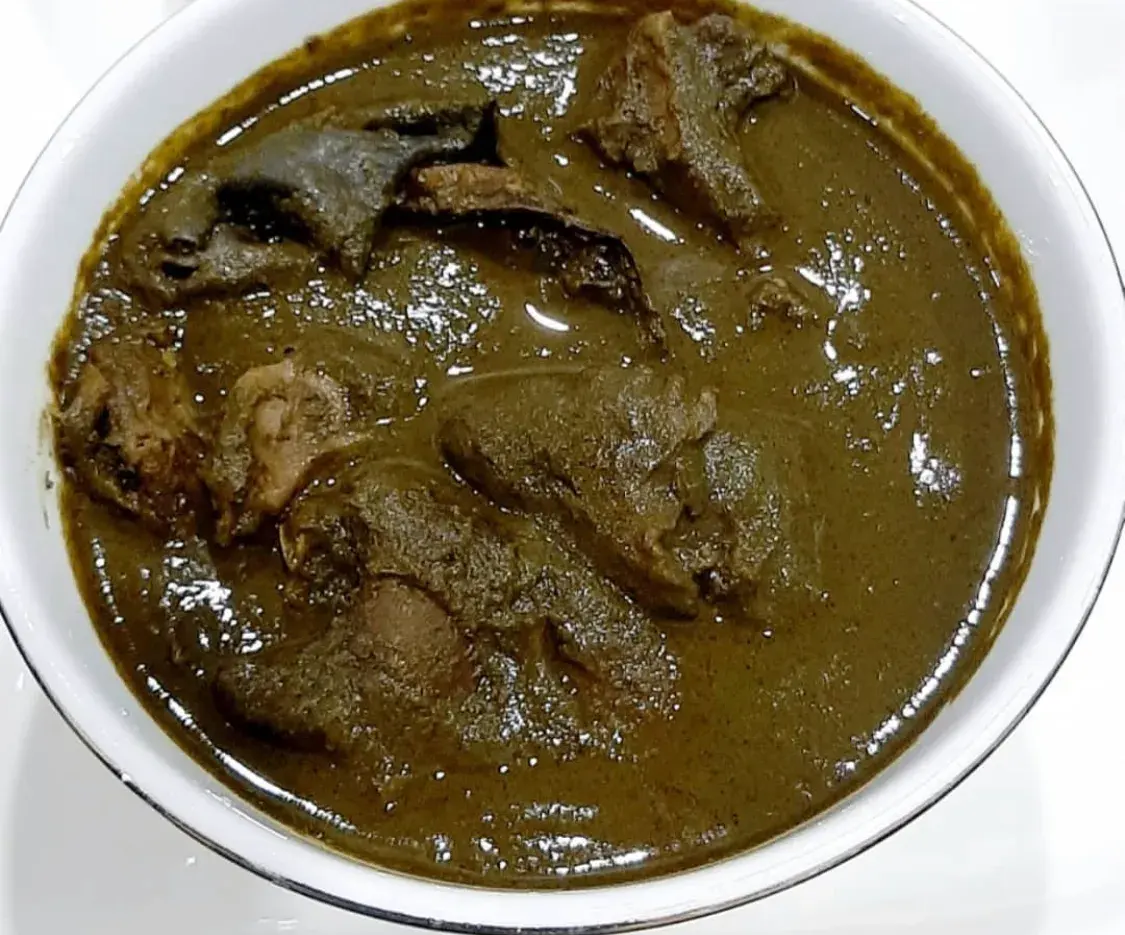
Edo Black Soup
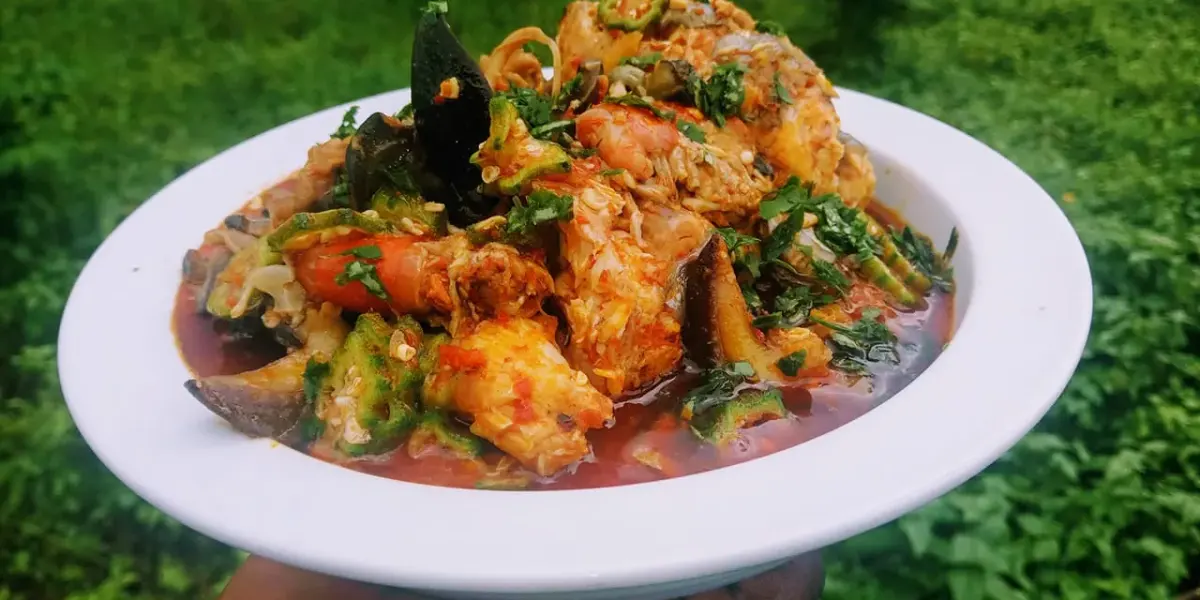
Nigerian Fisherman Soup
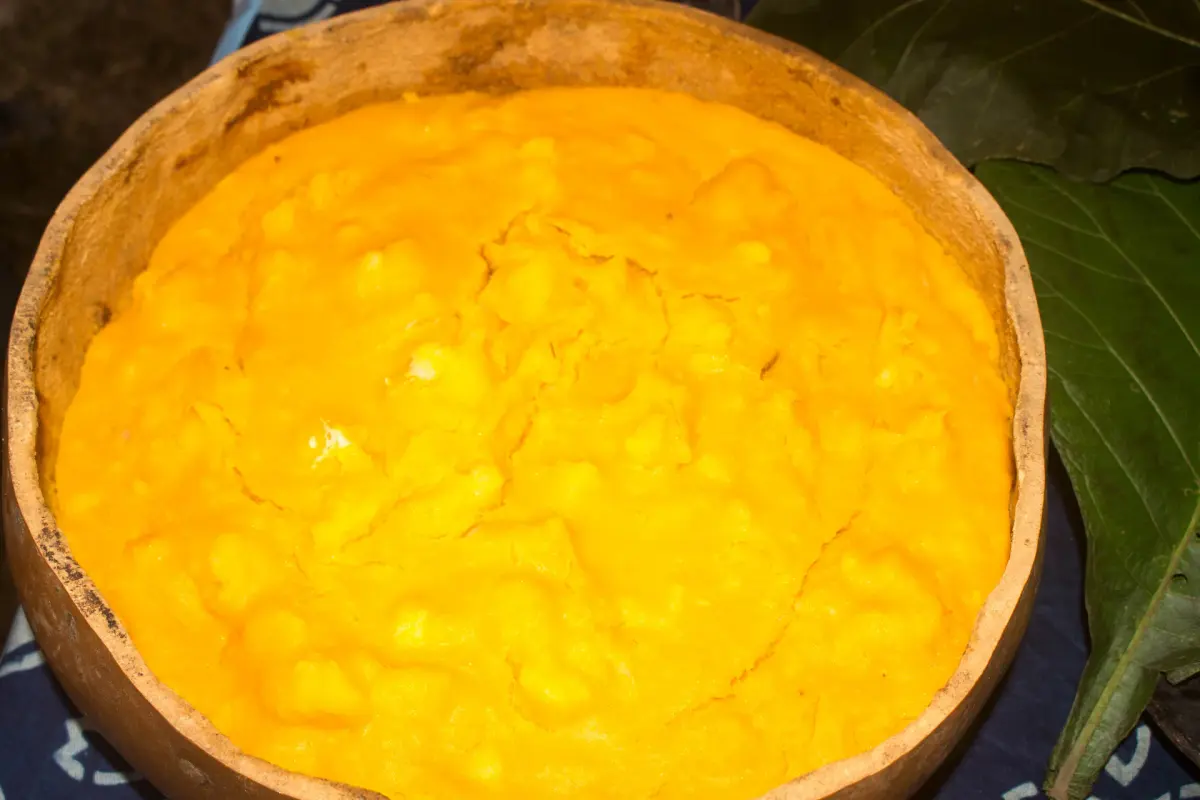
Igbo Yam Porridge
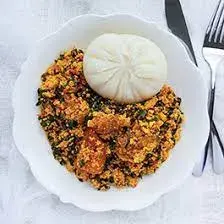
Tried making this to eat with goat nyama over the weekend. I didn't have a traditional wooden mortar so pounding the white yam in a heavy bowl took real effort before getting that smooth stretchy consistency! Sawa, next time I will boil the yam slices a bit longer to make it softer.
adding that hot yam cooking water while pounding is the real secret sha. if you use cold water or let the yam cool down first, it will just form lumps and ruin the stretch. pounded mine yesterday for egusi soup and e sweet o.