

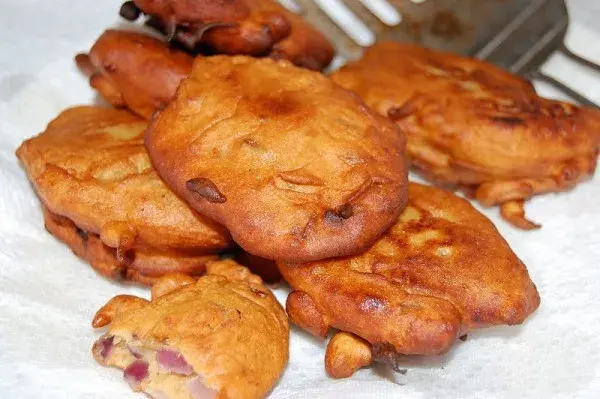
Akara
Aperçu
Akara is a fritter of peeled, ground beans, whipped until light and deep fried, and it is one of the most widely eaten breakfasts in West Africa. It is thought to have originated with the Yoruba of Nigeria and is now made across the region and beyond, under names including kosai in Hausa and akara in most of the rest. It crossed the Atlantic. Acarajé in Bahia, Brazil, is the same dish, carried there by enslaved West Africans, and it holds a sacred role in Candomblé as an offering as well as being sold as street food. That direction of travel is worth stating plainly, because the source has it backwards: the dish went from West Africa to Brazil, not the other way round. Two things make good akara. The beans must be peeled, which means soaking and rubbing the skins off, and the paste must be whipped hard enough to hold air, traditionally in a mortar with a pestle. That aeration is what makes akara light rather than dense, and it is why the mixture should be ground with as little water as possible, since a wet paste will not hold air. It is eaten with pap, agidi or bread, and Saturday morning is when Nigerian households most often make it.
Note de Patrimoine AFN
Akara is a bean fritter thought to have originated with the Yoruba of Nigeria and eaten across West Africa, known as kosai in Hausa. It was carried to Brazil by enslaved West Africans, where it is known as acarajé and holds a sacred role in Candomblé.
Ingrédients
Les mentions alimentaires sont fournies par les contributeurs à titre indicatif. Elles ne sont pas vérifiées par AFN et dépendent des produits que vous achetez. En cas d’allergie grave, vérifiez vous-même chaque ingrédient. Cuisine, allergies et votre propre jugement
Préparation
- 1
Soak the beans and remove the coat by rubbing them between your hands, then rinse away the skins.
- 2
Grind the beans in a blender or grinding mill, adding as little water as possible, until they form a paste.
- 3
Pour the paste into a mortar and whisk it with the pestle until the mixture is light and fluffy.
- 4
Add the salt, onions and pepper. You can also blend the onion and pepper and mix them in.
- 5
Set the vegetable oil on the heat.
- 6
Scoop spoonfuls of the paste into the hot oil and fry until brown on both sides.
- 7
Drain and serve with pap, agidi, bread, custard or garri.
Notes de l’Africook
 Notes personnelles de Beatrice Ige
- Use as little water as possible when grinding. A wet paste will not hold air and gives dense, flat akara rather than light ones.
- Whip the paste hard and long. That aeration is the entire difference between good akara and heavy fritters, and a mortar and pestle does it better than a blender.
- Peel the beans properly. Any remaining skins give a speckled, slightly bitter fritter.
- Season the paste just before frying rather than in advance. Salt draws water out and slackens the mixture.
- Test one first. If it spreads flat in the oil the paste is too wet and needs more whipping or a rest.
- Palm oil can be used for frying instead of vegetable oil and gives a different colour and flavour.
Questions fréquentes
What is akara made from?
Peeled black eyed or brown beans, ground to a paste, whipped until light, seasoned with onion, pepper and salt, and deep fried. That is the whole recipe. There is no flour and no egg: the lightness comes entirely from air whipped into the bean paste, which is why the whipping step matters so much.
Is acarajé the same as akara?
Yes. Acarajé in Bahia, Brazil, is the same dish, carried across the Atlantic by enslaved West Africans. It is sold as street food and also holds a sacred role in Candomblé as an offering. Brazilian acarajé is usually split and filled with vatapá and shrimp, which is a Bahian addition rather than a West African one.
Why is my akara flat and heavy?
Too much water in the paste, or not enough whipping. Grind the beans with as little water as you can manage, then whip the paste hard until it visibly lightens and increases in volume. Test a single spoonful in the oil first: if it spreads rather than holding its shape, keep whipping.
How do I peel the beans?
Soak them for a short time until the skins loosen, then rub handfuls between your palms and rinse. The skins float and can be poured off with the water. Repeat until the beans are clean. It is tedious and it is the step that most determines the colour and texture of the finished akara.
Avis
5 avis
Vous Aimerez Aussi
Voir toutes les recettes Nigeria →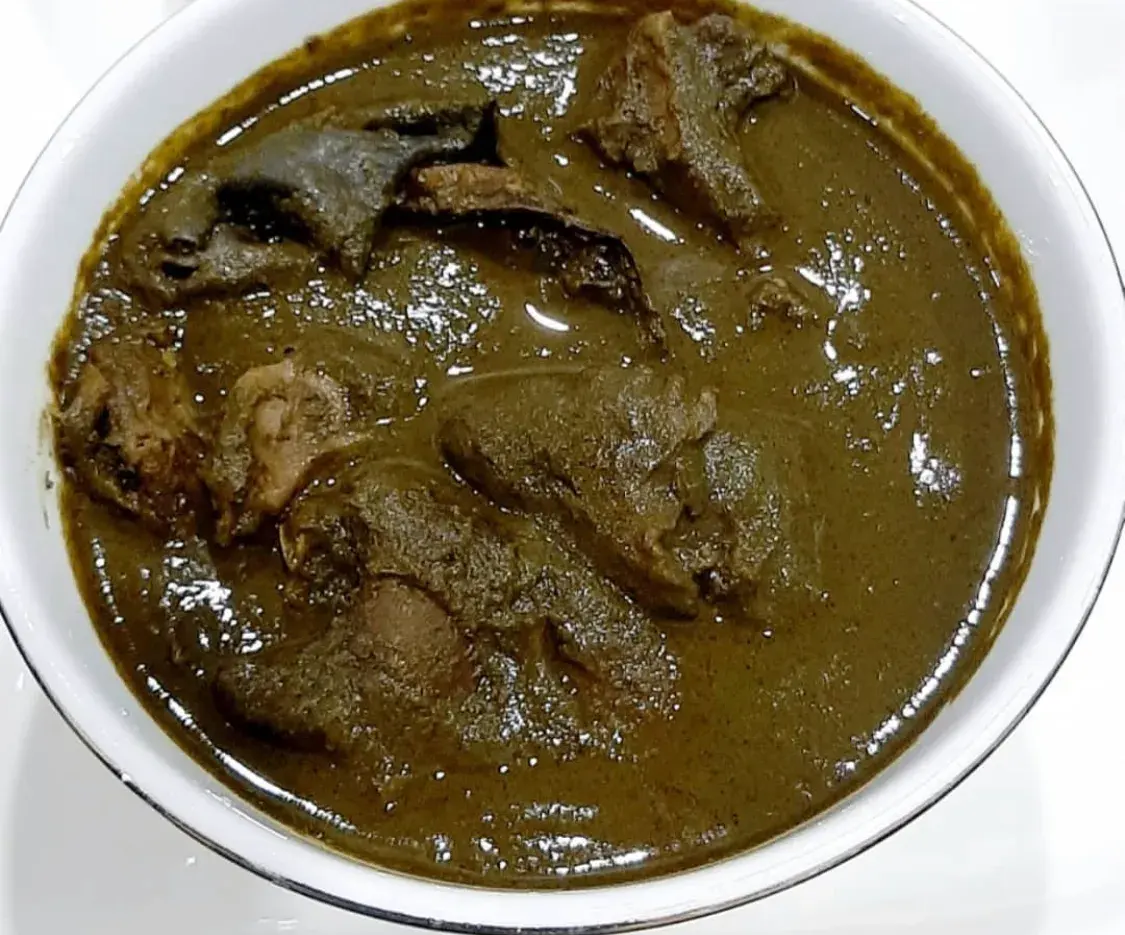
Edo Black Soup
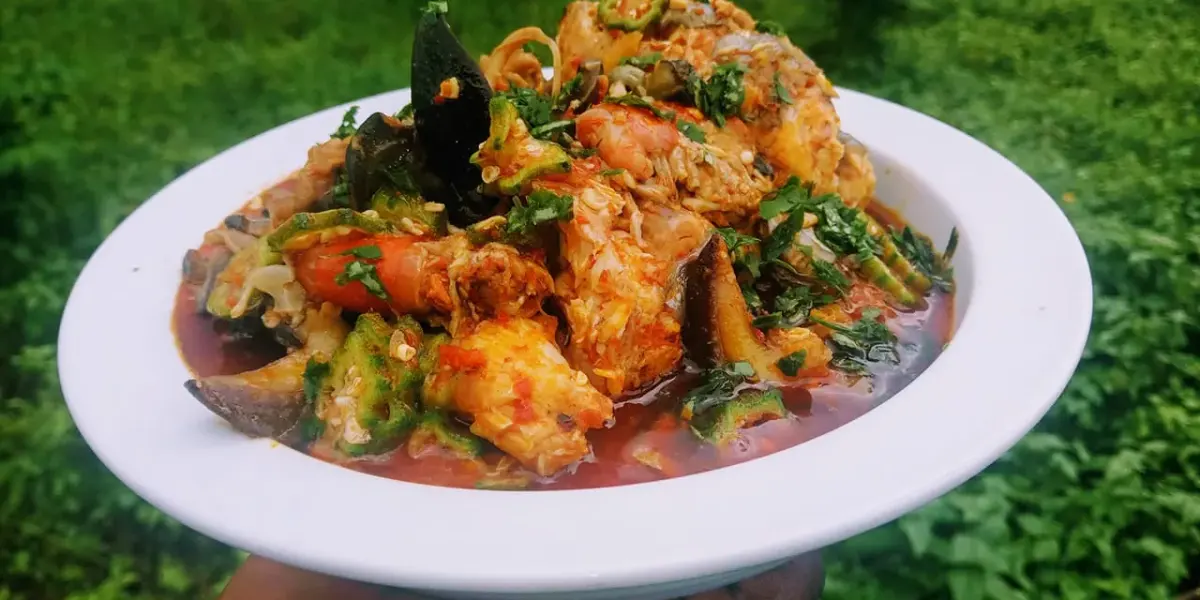
Nigerian Fisherman Soup
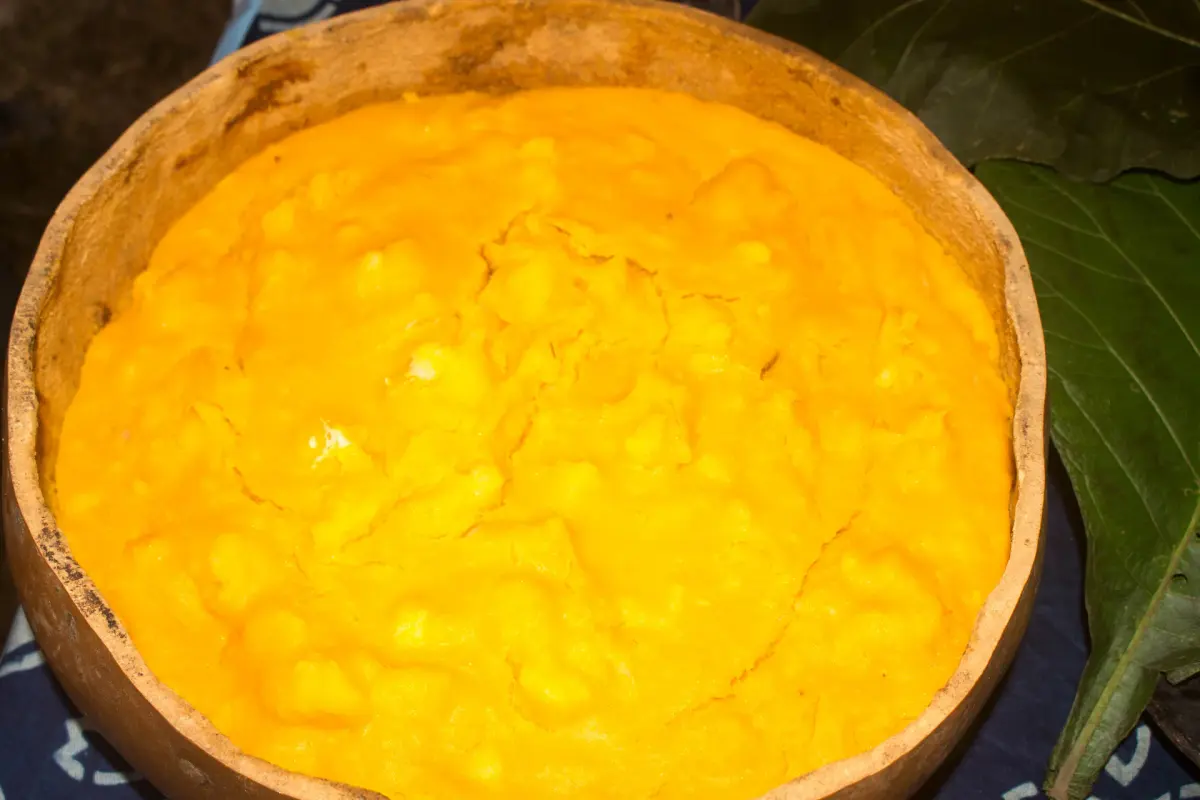
Igbo Yam Porridge
Peeling those black eyed beans by hand in my small Atlanta apartment brought back memories, but abeg it took almost two hours. Next time I will just go to the African store on Jimmy Carter Blvd and look for the pre-peeled ones. But the whisking step is key o! I used my kitchenaid whisk attachment instead of mortar and pestle and the akara came out so light and fluffy, just like back home.
found black eyed peas at H-E-B easily but getting the right pepper was tricky so i used scotch bonnet. the main mistake people make is adding too much water when blending! if the paste is watery it will just soak up all the oil and go flat. mine fried up rounded and crunchy on the outside. ate it with pap this morning, e sweet sharp.
Herh, this is just our Ghanaian koose oo! But in Tema here we usually blend the onion, fresh red pepper, and a small piece of ginger together with the beans before whisking. You don't need mortar and pestle if you beat it well with a wooden spoon. Very good with hausa koko in the morning, chale.
I made these for my family last night and they were delicious, but rubbing the skins off the beans took me way longer than two hours. Is there a trick to getting the skins to float off faster? Also, I couldn't find fresh habaneros so I used a jalapeño. Still came out golden and airy inside.
We usually make mandazi or mahamri for breakfast here in Nairobi, so using black eyed beans like this was very different for me. The whisking part requires real muscle! It turned out nicely crispy, very nice with milk tea in the morning. Sawa kabisa.