
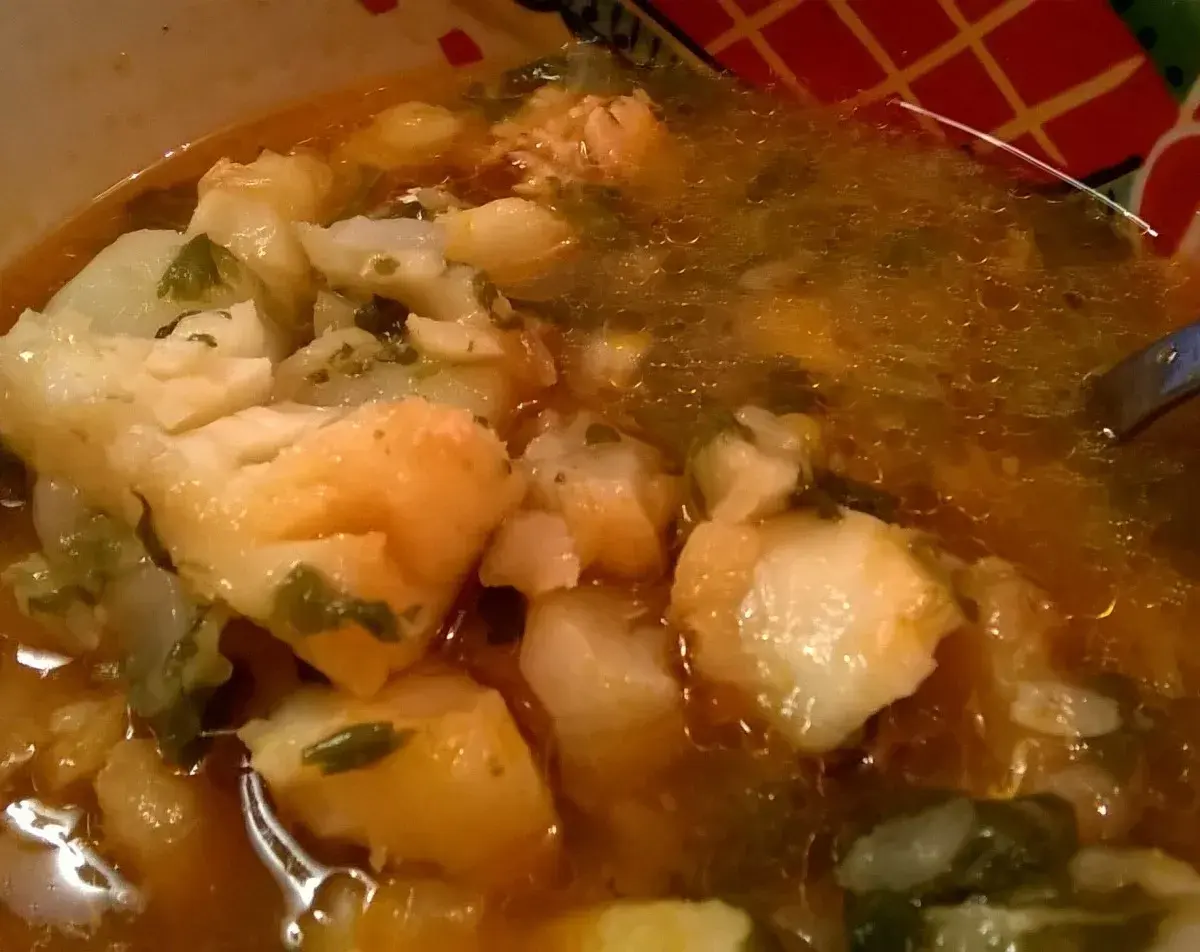
Caldo de Peixe (Cape Verdean Fish Soup)
London, United Kingdom · Voir toutes les recettes
Aperçu
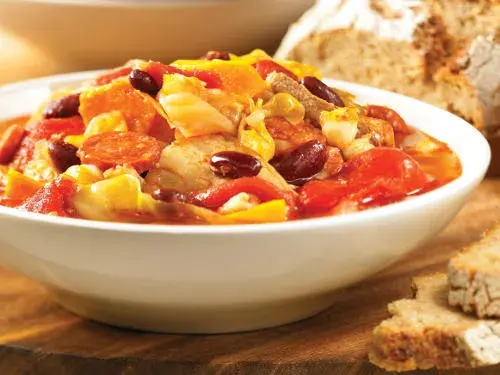
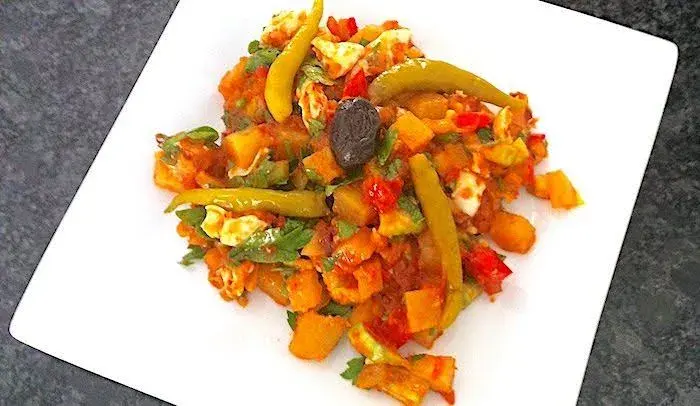
Caldo de peixe is the Cape Verdean fish soup: white and sweet potatoes cooked with onions, peppers and tomatoes, with fish added towards the end. It is winter food on the islands and it is built entirely around what an Atlantic archipelago has to hand. Cape Verde sits several hundred miles off the coast of Senegal, and its cooking reflects that position exactly, Portuguese in structure and vocabulary, West African in ingredients, and shaped throughout by the fact that fish is abundant and almost everything else has to be grown on volcanic islands with limited rainfall. Sweet potato alongside white potato in the same pot is a very Cape Verdean move, and it gives the broth a background sweetness that plain potato would not. The soup is deliberately unfussy. There is no stock, no wine and very little seasoning beyond the vegetables themselves: the broth is made by the fish and the potatoes as they cook. That is characteristic of island cooking generally, and it means the quality of the fish matters more here than in a heavily seasoned soup. This recipe came into the archive through the Smithsonian's 1995 Festival of American Folklife cookbook, to which Cape Verdean Americans contributed recipes as part of preserving their heritage. That provenance is worth recording.
Note de Patrimoine AFN
Caldo de peixe is a fish soup from Cape Verde, an Atlantic archipelago off the West African coast whose cooking combines Portuguese structure with West African ingredients. It is eaten particularly in the cooler months, and versions were recorded by Cape Verdean Americans for the Smithsonian's 1995 Festival of American Folklife cookbook.
Ingrédients
Les mentions alimentaires sont fournies par les contributeurs à titre indicatif. Elles ne sont pas vérifiées par AFN et dépendent des produits que vous achetez. En cas d’allergie grave, vérifiez vous-même chaque ingrédient. Cuisine, allergies et votre propre jugement
Préparation
- 1
Cook the white and sweet potatoes in water in a medium pot for about 15 minutes, until part-cooked but still firm. Keep the cooking water.
- 2
In a large pot, gently cook the chopped onions, red and green peppers and tomatoes in a little oil until softened.
- 3
Cut the fish into small pieces and turn them through the vegetables.
- 4
Tip in the part-cooked potatoes along with enough of their cooking water to make a soup.
- 5
Cook gently until the potatoes are tender and the fish is cooked through.
- 6
Season with salt and pepper to taste.
- 7
Scatter the chopped parsley and scallions over the pot just before serving.
Notes de l’Africook
 Notes personnelles de Nympha Nzeribe
- Part-cook the potatoes separately and keep the water. That starchy liquid is the base of the broth and there is no stock here to do the job otherwise.
- Add the fish late. It cooks in minutes and disintegrates if it goes in with the potatoes.
- Both kinds of potato matter. The sweet potato gives the broth a background sweetness that is characteristically Cape Verdean.
- Use a firm white fish. Delicate fish falls apart entirely in a soup with this much stirring.
- The seasoning is deliberately light, so the fish has to be good. This is not a soup that hides anything.
- Parsley and scallions go in off the heat. Cooked, they lose the freshness that lifts the finished bowl.
Questions fréquentes
What is Cape Verdean food like?
It sits exactly where the islands do, Portuguese in structure and vocabulary, West African in ingredients, and shaped by being a dry volcanic archipelago several hundred miles off Senegal. Fish is abundant; most other things are grown with difficulty or imported. Corn, beans, cassava and sweet potato are staples, and the national dish, cachupa, is a slow-cooked stew of hominy and beans. Portuguese names sit on dishes that would be recognisable across West Africa.
What fish should I use?
A firm saltwater fish that will hold together in a soup, the source suggests cod, sea bass, bluefish or tautog. In Cape Verde it would be whatever the boats brought in, and tuna, wahoo and grouper are all common there. Avoid very delicate fish, which disintegrates. Frozen fillets work perfectly well provided they are properly thawed and patted dry before they go into the pot.
Why two kinds of potato?
Because it is characteristic of the cooking rather than an accident. White potato provides starch and body; sweet potato brings a distinct background sweetness that balances the salt of the fish and the acidity of the tomatoes. Cape Verdean cooking uses sweet potato widely, and putting both in the same pot is a very local move. Using only white potato gives a perfectly good soup, but a plainer one.
Where did this recipe come from?
The Smithsonian Institution's 1995 Festival of American Folklife cookbook, to which Cape Verdean Americans contributed family recipes as part of documenting and preserving their heritage. That is worth recording, because it means this version has been through a diaspora community rather than being transcribed on the islands, which may account for the American fish names in the ingredient list.
Avis
Soyez le premier à noter cette recette
Vous l’avez cuisinée ? Votre note aide la personne suivante à se décider.
Aucun avis sur cette recette pour le moment. Si vous l’avez cuisinée, le vôtre serait le premier.