

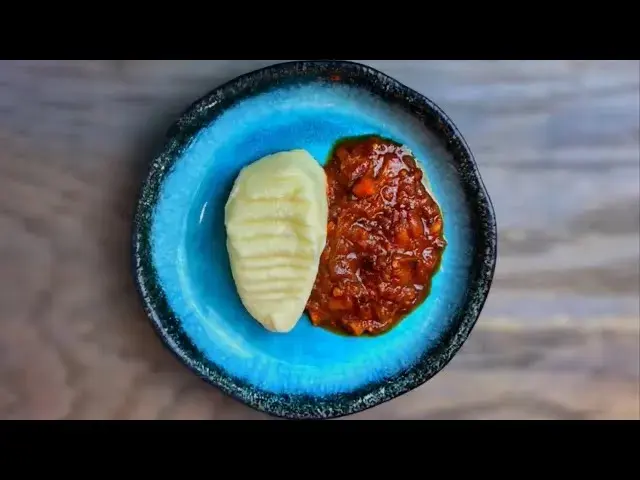
Pap & Sous
Aperçu
Pap and sous is maize porridge with tomato gravy, and between them they account for a very large share of what is eaten in South Africa on an ordinary day. Pap is the smooth, firm maize meal that anchors the plate. Sous, Afrikaans for sauce, is the tomato and onion gravy that goes over it. The comparison South Africans reach for when explaining pap to outsiders is grits or polenta, and it holds up as far as the grain goes. What it misses is the position the dish occupies. Pap is not a side. It is the centre of the plate, and everything else is arranged in relation to it, which is why the quality of a household's pap is noticed and remarked on. The gravy is where the cook is visible. A sous is built from onion, pepper, chilli, garlic and tomato with paprika and a little sugar and vinegar, and every household has a version. Pap and sous is eaten on its own as a complete meal and served alongside grilled meat and boerewors when there is a fire going, which is the same dish playing two different roles depending on the day.
Note de Patrimoine AFN
Maize reached southern Africa through Portuguese Atlantic trade from the 16th century and displaced sorghum and millet as the dominant grain of the region, becoming the base of the stiff porridge known as pap. Its earliest documented date as a South African household staple is uncertain.
Ingrédients
Les mentions alimentaires sont fournies par les contributeurs à titre indicatif. Elles ne sont pas vérifiées par AFN et dépendent des produits que vous achetez. En cas d’allergie grave, vérifiez vous-même chaque ingrédient. Cuisine, allergies et votre propre jugement
Préparation
- 1
Pour the cold water into a deep pot and season with two or three pinches of sea salt.
- 2
Add the maize meal.
- 3
Bring slowly to a simmer over medium heat.
- 4
Cook until it starts to thicken and comes together.
- 5
Add the cold milk.
- 6
Continue over medium heat, stirring regularly, until it thickens again and is almost stiff, at the consistency of thick mashed potato.
- 7
Take off the heat, cover and set aside.
- 8
Dice the onion and bell pepper small. Chop the garlic and chilli. Dice the tomatoes.
- 9
Heat a good amount of neutral oil in a pan over medium high heat.
- 10
Add the onion, pepper, chilli and garlic and cook until soft and translucent. Season with two or three pinches of sea salt.
- 11
Add the oregano and both paprikas and cook for 30 seconds.
- 12
Add the tomato paste and brown sugar and cook until it just starts to catch on the pan.
- 13
Deglaze with the malt vinegar and stir.
- 14
Add the fresh tomatoes and cook until they start to fall apart.
- 15
Pour in 250g of water and cook over medium heat until the sauce thickens, 6 to 8 minutes.
- 16
Turn the heat down low and stir in the 50g of cold butter.
- 17
Taste and adjust the salt.
- 18
Bring a portion of the pap back to medium heat, add butter and work it until smooth and creamy but still thick.
- 19
Serve a dollop of pap with the tomato gravy, on its own or alongside grilled meat and sausage.
Notes de l’Africook
 Notes personnelles de Chef Donkey
- A little catching on the base of the pan is wanted, not a mistake. The slightly scorched bottom adds a flavour that a perfectly clean pot does not, and South African cooks work it back in deliberately.
- Cold water at the start, not boiling. Starting the maize meal in cold water and bringing it up slowly is what gives a lump free pap without constant beating.
- Finishing the sauce with cold butter off the heat gives it gloss and body. Adding it while the pan is hot splits it.
- Reheat pap with a knob of butter and a splash of water over low heat and work it until it comes back smooth. Pap that has set hard in the fridge will not loosen without both.
Questions fréquentes
What is the difference between pap and polenta?
Both are boiled ground maize, and the technique is close. The differences are in the grain and the grind: pap uses white maize meal, which is milder and paler, while polenta is made from yellow maize and is sweeter and more strongly flavoured. Pap is generally cooked stiffer than the soft polenta served in Italy. As a substitution in either direction it works, but neither tastes quite like the other.
Why is my pap lumpy?
The maize meal went into hot water. Start it in cold water, season the water first, and bring the pot up to a simmer slowly while it thickens. If lumps have already formed, work them against the side of the pot with the back of a wooden spoon rather than trying to stir them out.
Can I make pap and sous ahead of time?
The sauce, yes, and it is better on the second day. Pap is best fresh, because it sets firm as it cools, but it does reheat: warm it over low heat with a knob of butter and a splash of water or milk and work it until it is smooth again. Make the sauce a day ahead and the pap on the day.
What is pap and sous eaten with?
On its own it is a complete meal, and it is eaten that way regularly. It is also the standard accompaniment to grilled meat and boerewors at a braai, where the pap takes the place bread would take and the sauce serves both. Chakalaka, the spiced vegetable relish, often appears alongside.
Avis
2 avis
Vous Aimerez Aussi
Voir toutes les recettes South Africa →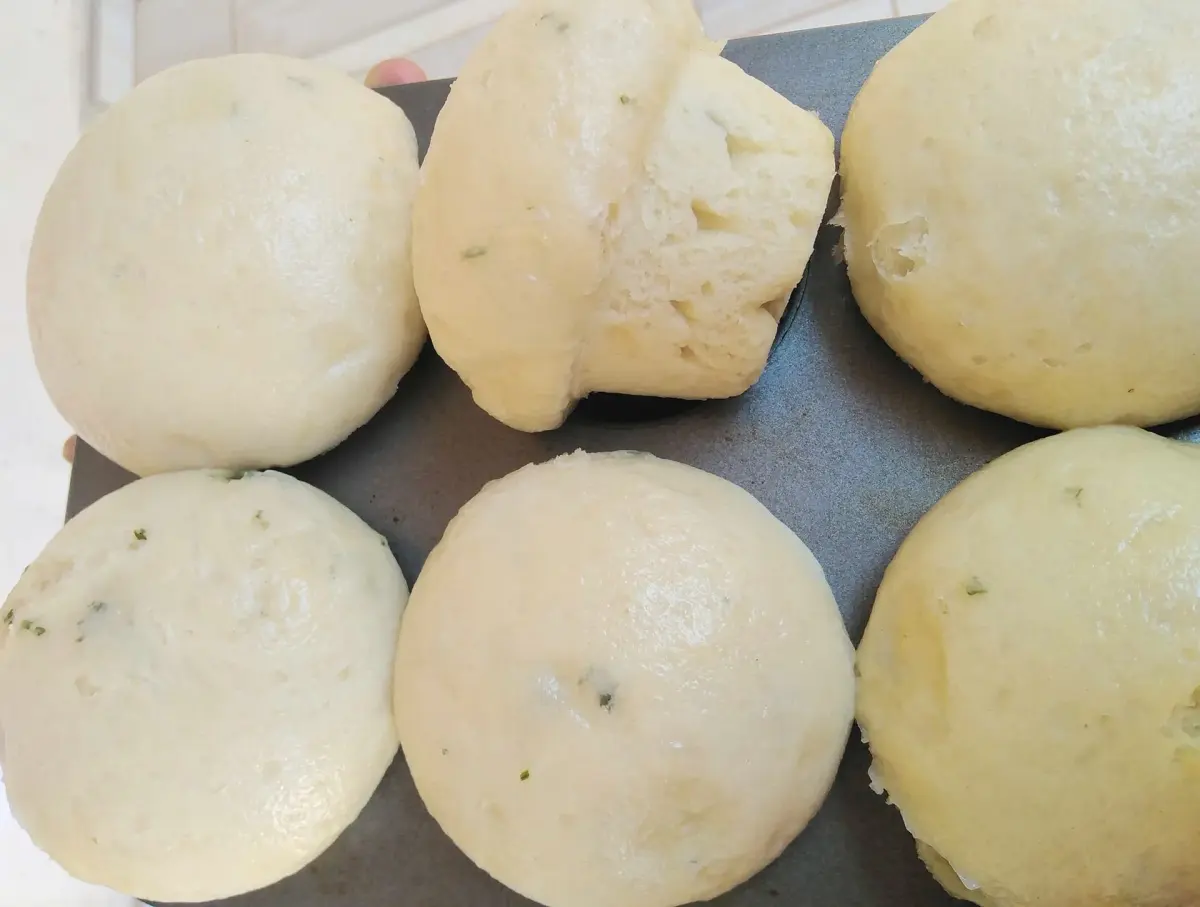
Dombolo (Dumplings or Steamed Bread)
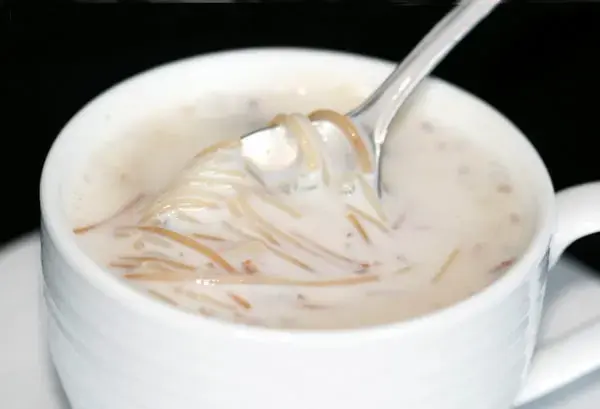
Boeber (Cape Malay Sweet Milk Drink)
finding white maize meal in seattle isn't easy, had to grab a bag from an international market in rainier valley. this turned out so comforting. the pap texture reminded me of genfo, though stir-cooking the tomato paste and garlic into that thick red sous gives it a totally different profile than berbere. pouring the cold milk in near the end is key for getting the stiffness right.
Never made pap before so I wasn't sure what to expect when adding the cold milk to the thick maize meal mixture, but it smoothed out surprisingly well. The tomato and red bird's eye chilli sous was fantastic, though next time I think I'll use just half the chilli because my kids found it a bit too hot.