

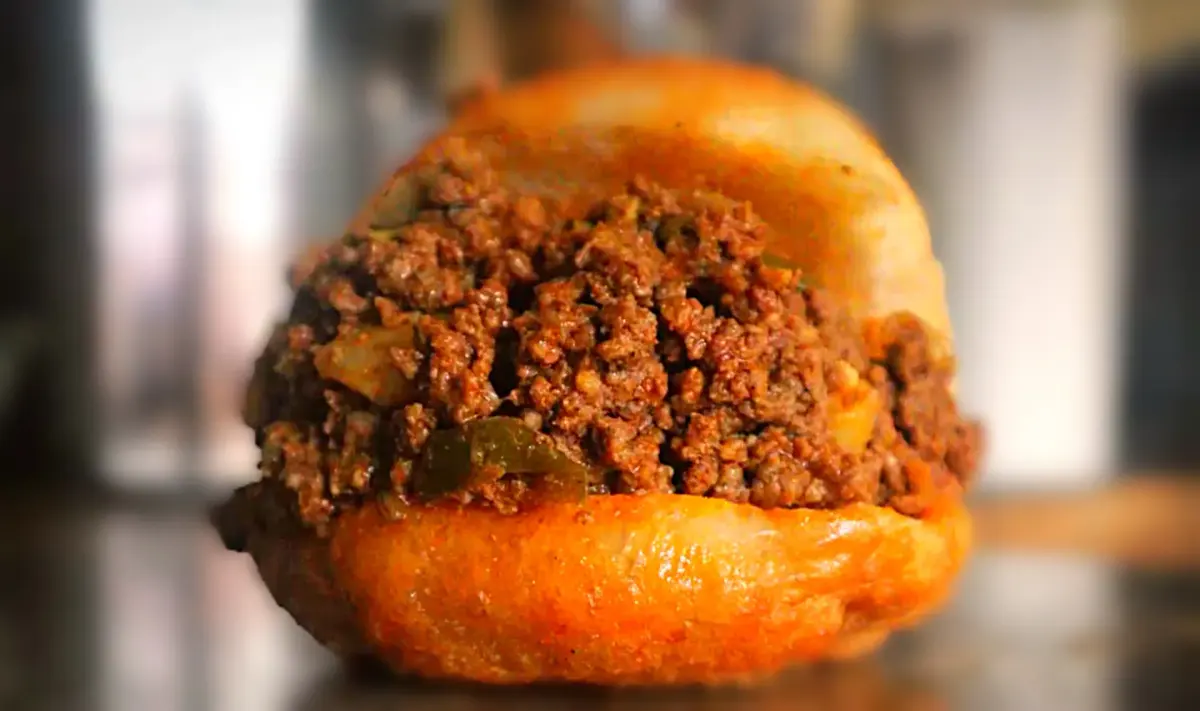
Vetkoek (Amagwinya) and Beef Mince Curry
Aperçu
Vetkoek is fried bread, and the two names it carries in South Africa tell you most of what you need to know about it. Vetkoek is Afrikaans and means fat cake. Amagwinya is isiZulu, and the same round of dough is sold under that name from township stands and street corners across the country. One food, two languages, one of the clearest examples of a dish that belongs to everybody in South Africa. Its origins are Dutch and Afrikaner, in the tradition of frying a simple yeast dough that arrived at the Cape and spread inland. What it became is entirely South African. It is split and filled, most often with a curried mince, and eaten in the hand as a complete cheap meal, which puts it in the same category as the kota and the bunny chow: bread as a container for something hot. The mince curry inside is its own piece of South African history. Cardamom, cloves, cumin, coriander, turmeric, fenugreek and fennel in a beef mince is not a Dutch spice profile; it comes from the Cape Malay and Indian South African kitchens that shaped the country's food. Vetkoek filled with curried mince is therefore a Dutch fried bread holding an Indian Ocean filling, sold under a Zulu name, and nobody in South Africa finds that combination remarkable.
Note de Patrimoine AFN
Vetkoek takes its name from the Afrikaans for fat cake and is known in isiZulu as amagwinya, reflecting its adoption across South African communities from its origins in Dutch and Afrikaner fried dough. The spice profile of the curried mince served with it derives from Cape Malay and Indian South African cooking.
Ingrédients
Préparation
- 1
Weigh the flour into a large bowl.
- 2
Add the yeast, sugar and salt and mix well into the flour.
- 3
Pour in the water, milk and butter and mix until it just comes together.
- 4
Let the dough rest for 10 minutes before kneading.
- 5
Dust with a little flour and knead for 5 to 8 minutes. The dough will be sticky at first and will come together as you rest and knead it.
- 6
Cover the dough in a large bowl and prove for 30 to 40 minutes, until doubled in volume.
- 7
Cut the dough into 50g pieces, shape into balls and flatten slightly.
- 8
Prove again for 30 to 40 minutes, until significantly doubled in size.
- 9
Fill a large frying pan halfway with neutral oil and heat to medium high.
- 10
Fry the amagwinya 3 or 4 at a time until golden brown on both sides, 2 to 3 minutes a side. They should feel light and airy once cooked. Rest for 10 minutes before serving.
- 11
For the curry, heat neutral oil in a pan to medium high and fry the mince until golden brown, seasoning lightly with salt. Remove the beef from the pan.
- 12
Add the fennel, aniseed, cardamom, cloves, garlic and ginger and fry for 30 seconds.
- 13
Add the chopped onion and pepper and fry for 2 minutes over medium heat.
- 14
Add the remaining spices and salt and cook for 30 seconds.
- 15
Add the chopped tomatoes and cook until soft.
- 16
Return the beef to the pan with the potatoes and enough water to just cover the potatoes.
- 17
Cook until the curry thickens and the potatoes are soft. Adjust the salt.
- 18
Cut a vetkoek in half, fill with the curry and serve.
Notes de l’Africook
 Notes personnelles de Chef Donkey
- Use strong bread flour, not plain. The dough needs the gluten to hold its structure through two proves and the frying, and plain flour gives a dense, heavy vetkoek.
- The dough is meant to be sticky. Resist adding flour to make it easier to handle, because resting and kneading will bring it together and extra flour makes it tough.
- Both proves matter. The second one, after shaping, is what gives the light airy interior, and skipping it produces something closer to a dense fried scone.
- Rest the fried vetkoek 10 minutes before filling. Straight from the oil the inside is still setting and will go soggy under the curry.
- Amasi in place of the milk is a genuinely South African variation and gives a slight tang to the dough.
Questions fréquentes
What is the difference between vetkoek and amagwinya?
Nothing. They are two names for the same fried dough, vetkoek being Afrikaans for fat cake and amagwinya the isiZulu name. Which one is used depends on who is speaking and where, and both refer to the same round of yeast dough fried until golden. It is one of the clearest examples of a South African food that crosses every community.
What else can I fill vetkoek with?
Curried mince is the most common savoury filling, and beyond that: polony and cheese, chip and cheese, atchar, chakalaka, or a plain curry. Sweet fillings are equally traditional, particularly apricot jam and syrup, and vetkoek is eaten plain with butter at breakfast. It functions as a bread roll rather than as a fixed dish.
Why is my vetkoek dense instead of light?
Usually an under proved dough or the wrong flour. Both proves are needed, and the second one after shaping is the one people skip. Use strong bread flour rather than plain, and resist adding extra flour to the sticky dough during kneading, since that is the other main cause of a heavy result.
What oil temperature should I use for vetkoek?
Medium high, hot enough that the dough sizzles and rises immediately on contact but not so hot that it browns in under a minute. Two to three minutes a side is the target. Too cool and the dough absorbs oil and goes greasy; too hot and the outside colours while the middle stays raw.
Avis
2 avis
Vous Aimerez Aussi
Voir toutes les recettes South Africa →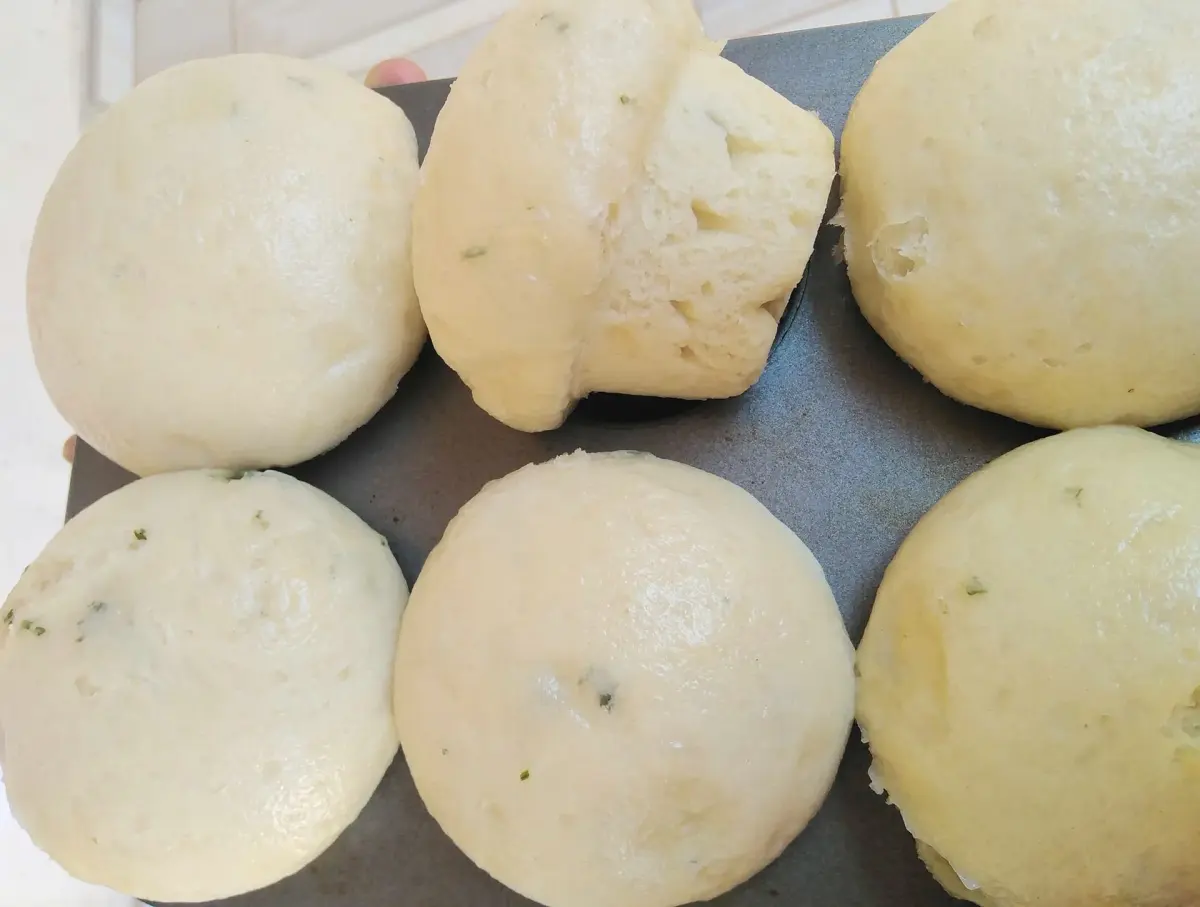
Dombolo (Dumplings or Steamed Bread)

Boeber (Cape Malay Sweet Milk Drink)
Used amasi instead of plain milk like my late mama used to do, dough was sticky maar after that 10 min rest it came right. Minced beef curry smelling like Sunday morning in Mitchells Plain! My broer ate four vetkoeke sommer in one go.
Herh chale, this dough is very sticky at first oo! I thought I ruined the yeast and water ratio, but after resting for 10 minutes it became smooth paa. Reminds me of Ghanaian bofrot but with the savory mince inside. Good stuff.