

Eba
Aperçu
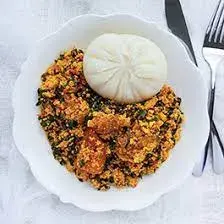
Eba is garri turned into a swallow, cassava that has already been peeled, grated, fermented, pressed and dry-fried into granules, then reconstituted with boiling water into a smooth, firm dough eaten with soup. It is probably the most-eaten swallow in Nigeria, and its dominance has an entirely practical explanation. Garri keeps for months without refrigeration, needs no cooking to store, is cheap, and turns into a meal in about three minutes with nothing but hot water. In a country where power and cold storage are not guaranteed, that combination is difficult to beat. Pounded yam may carry more prestige, but garri carries the country. Two kinds are in general use. Yellow garri has palm oil worked in during frying, which gives it colour and a richer taste. White garri is fried without it and is plainer and more neutral. Which one a household keeps is largely regional and partly personal. Eba is not eaten on its own. It is a vehicle, pinched off with the fingers, rolled lightly, dipped into soup and swallowed rather than chewed, which is where the English name for the category comes from. Egusi, okra, afang, ogbono and every other Nigerian soup are all served with it. The fermentation that produces garri also removes the cyanogenic compounds present in raw cassava, which is why the processing matters as much as it does.
Note de Patrimoine AFN
Garri is produced by peeling, grating, fermenting, pressing and dry-frying cassava, a processing chain that both preserves the root for months without refrigeration and removes the cyanogenic compounds present in raw cassava. Cassava reached West Africa through Portuguese trade and was adapted into this indigenous processing tradition.
Ingrédients
Les mentions alimentaires sont fournies par les contributeurs à titre indicatif. Elles ne sont pas vérifiées par AFN et dépendent des produits que vous achetez. En cas d’allergie grave, vérifiez vous-même chaque ingrédient. Cuisine, allergies et votre propre jugement
Préparation
- 1
Boil water in a kettle
- 2
Add boiling water in a bowl, then add garri
- 3
Turn with turning spoon or spatula till comes together and smooth
- 4
Serve and enjoy with soup of choice
Notes de l’Africook
- Add garri to the water, not water to the garri. Pouring hot water over garri already in the bowl gives you lumps that will not come out.
- Let it sit for a minute before you start turning. The granules need time to absorb before they can be worked smooth.
- Use a proper wooden turning stick if you have one, a spoon will do but it takes longer to get it smooth.
- Less water than you think. Eba firms up as it stands, and it is far easier to add a splash than to rescue a wet one.
- Yellow garri makes a softer, richer eba; white garri makes a firmer, more neutral one that lets the soup lead.
Questions fréquentes
What is the difference between garri and eba?
Garri is the dry granulated cassava product, sold in bags and stored for months. Eba is what you get when you add boiling water to garri and work it into a dough. So garri is the ingredient and eba is the dish. Garri is also eaten in other ways entirely, soaked in cold water with sugar, groundnuts and milk as a drink, which is a completely different preparation from eba.
What is the difference between yellow and white garri?
Yellow garri has red palm oil added during the frying stage, which gives it its colour and a richer, slightly oilier taste. White garri is fried without oil and is plainer. Both make good eba. The choice is mostly regional habit and personal preference, though yellow garri tends to produce a softer eba and is often favoured with lighter soups.
Is cassava safe? I have heard it can be toxic.
Raw cassava contains cyanogenic compounds and is genuinely unsafe if eaten unprocessed. The point of the garri process, grating, fermenting, pressing and dry-frying, is that it removes them. Properly made garri is safe, which is why the processing tradition exists in the form it does. Commercially produced garri has been through this process.
Why is it called swallow?
Because it is not chewed. A piece is pinched off, rolled between the fingers into a small ball, dipped into soup and swallowed whole. The category name covers eba, pounded yam, fufu, amala, semo and the rest, all of them soft doughs that serve as the vehicle for a soup rather than being eaten alone.
Avis
8 avis
Vous Aimerez Aussi
Voir toutes les recettes Nigeria →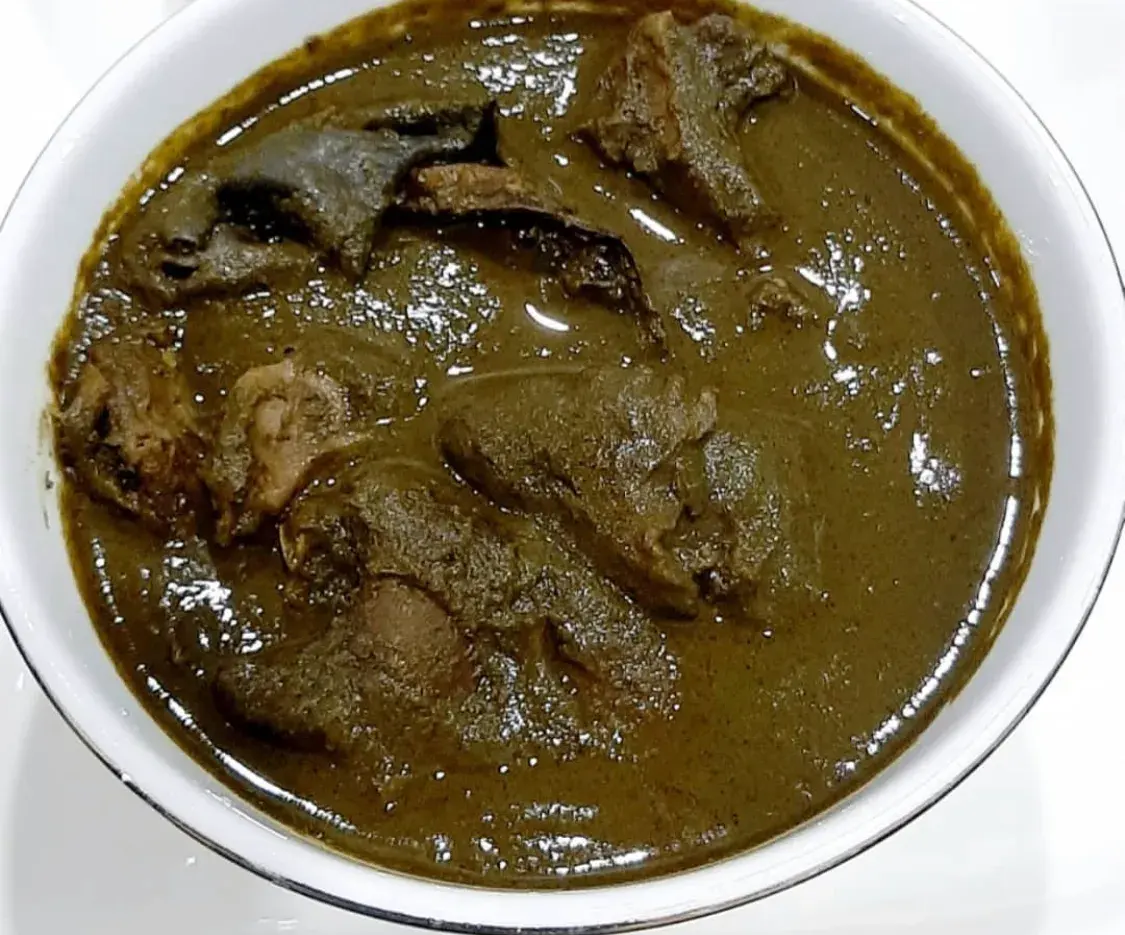
Edo Black Soup
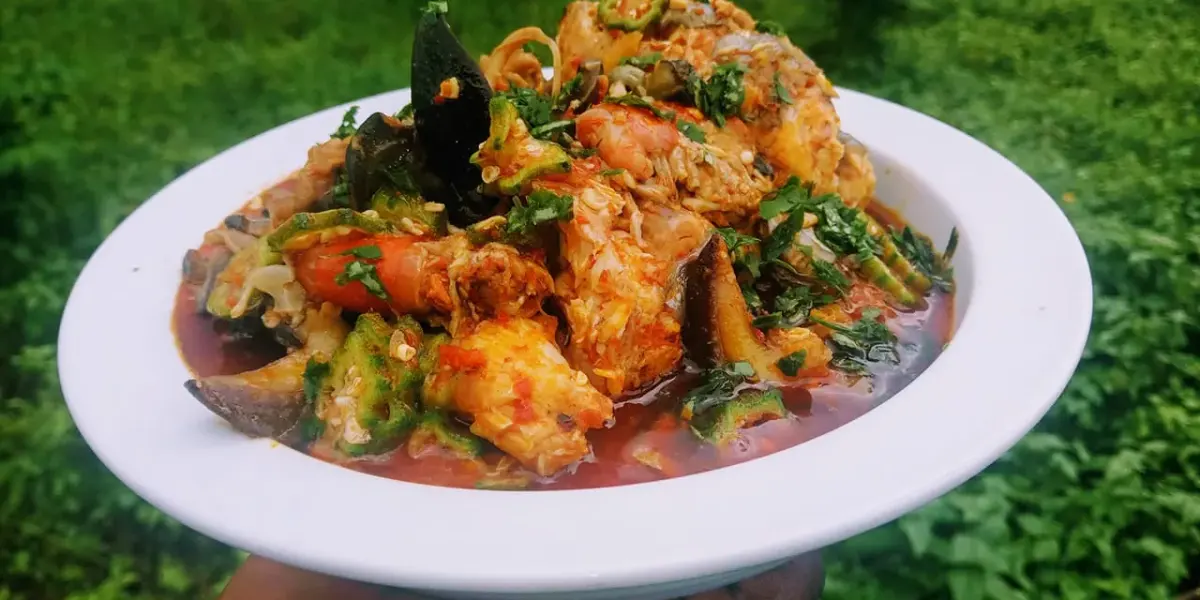
Nigerian Fisherman Soup
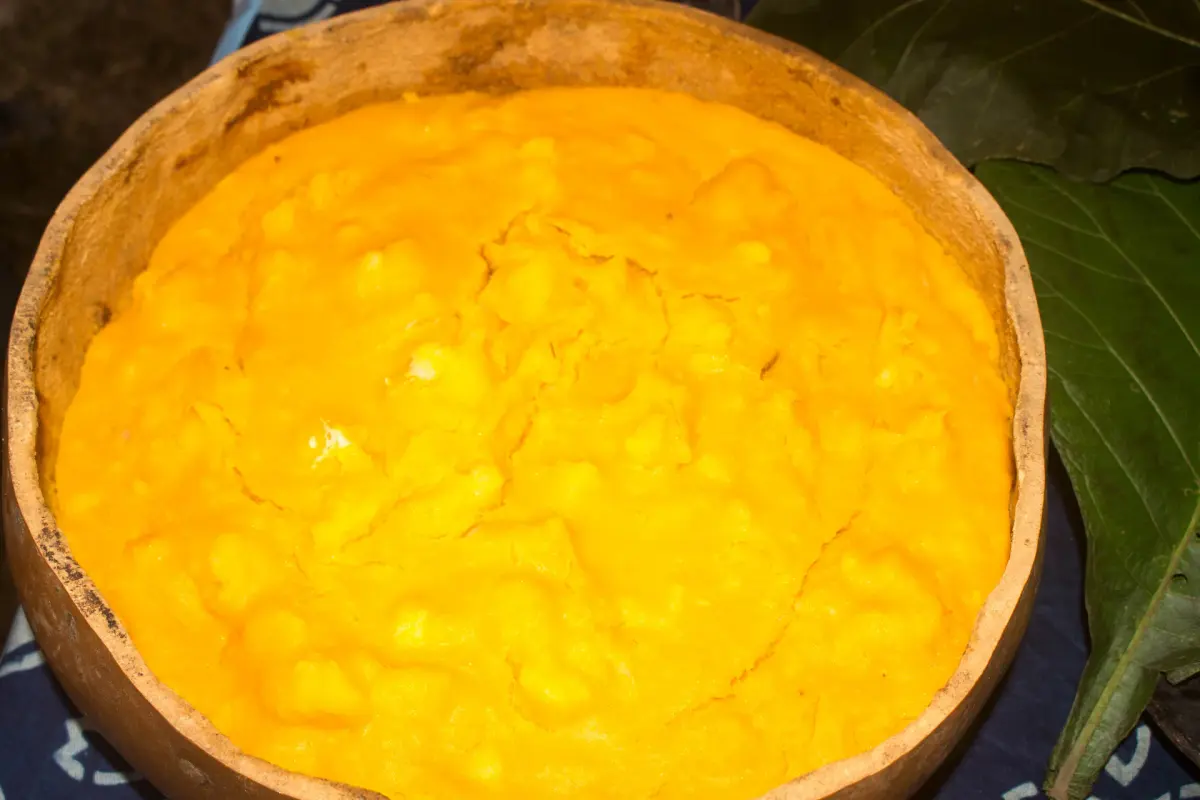
Igbo Yam Porridge
Hard to get good fine garri here in Leeds unless you go to the shop near Kirkgate market. Used 1 cup of boiling water like you stated but my garri was very dry so I had to add a little extra splash of hot water to get it smooth. Still brought back home memories oo.
Same issue here in LA! Sourcing fine garri is so tricky, I have to drive past three robots just to find a decent brand. I always end up needing 1.25 cups of boiling water per cup of garri or it gets far too dry. Glad the extra splash got it lekker and smooth for you.
Managed to get some Ijebu garri from the African market in Randallstown. Half cup garri to one cup water gave me the exact firm texture I wanted, no single lump when I turned it with the wooden spatula. Ate it with egusi, e sweet sha.
Chale, half cup to one cup water is the real secret for smooth eba paa! But herh, if you think Ijebu garri is nice, try our fine Ghanaian Volta garri with agushie next time. My grandmamma in Cape Coast makes it so smooth, e sweet pass oo.
the water must be rolling boiling straight from the kettle chale. If the water cools down even small, the eba will just turn soggy instead of gathering together properly paa.
You speak the truth my brother. Warm water is the enemy of good garri. I make sure my kettle is whistling loud before I pour, and I even cover the bowl for one minute before turning so it sets properly o.
I picked up a bag of yellow garri at an African market downtown because I wanted to try making this. The 2 to 1 water to garri ratio worked really well, though mine had a few tiny lumps at first until I really worked it with the wooden spoon. We had it with a peanut stew.
Adding the boiling water to the bowl before sprinkling the garri is actually the best way so it doesn't form hard lumps. That smooth texture came out perfect today. Ate mine with fresh afang soup, e sweet no be small thing o.