

Kuli Kuli
Aperçu
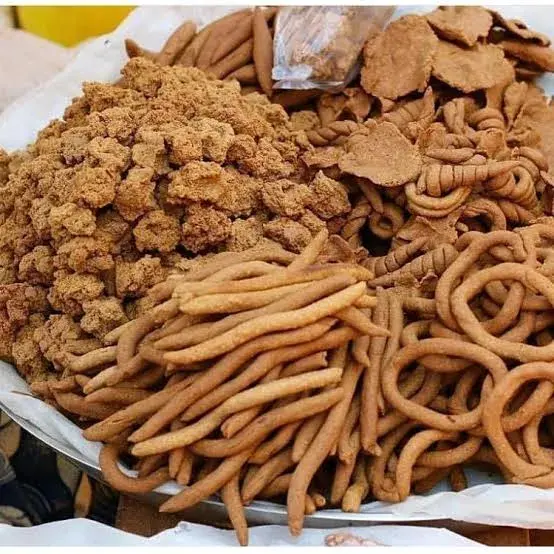
Kuli kuli is a peanut snack eaten across Nigeria, Benin, northern Cameroon and Ghana, and it is one of the most widely recognised street foods in West Africa. It is made from peanuts alone, and the technique is what makes it: the oil is deliberately pressed out of the ground paste before the remaining solids are shaped and fried. That extraction is the point. Removing the oil leaves a dense, dry paste that fries into something genuinely crunchy rather than soft, and it also produces the frying oil as a by-product, so nothing is wasted. It is a piece of processing knowledge that predates industrial oil pressing and is still done by hand in Hausa communities in northern Nigeria, where the snack has its strongest association. It takes different shapes in different places: small sticks, rings, flat discs and irregular pieces are all standard, and the form varies by region and by seller. English names for it, groundnut cake and peanut snack among them, are approximations rather than translations. Kuli kuli is eaten on its own, mixed into garri with sugar and water, crumbled over salad, or served alongside fura and koko. Crushed to a powder it becomes the peanut component of suya spice, which is where most people outside the region encounter it without knowing.
Note de Patrimoine AFN
Kuli kuli is associated with the Hausa communities of northern Nigeria and is eaten across Nigeria, Benin, northern Cameroon and Ghana. Its defining technique is the extraction of oil from ground roasted peanuts before frying, which yields both the snack and the oil used to fry it.
Ingrédients
Les mentions alimentaires sont fournies par les contributeurs à titre indicatif. Elles ne sont pas vérifiées par AFN et dépendent des produits que vous achetez. En cas d’allergie grave, vérifiez vous-même chaque ingrédient. Cuisine, allergies et votre propre jugement
Préparation
- 1
Roast the peanuts on the stovetop or in the oven until fragrant and lightly coloured.
- 2
Rub off the skins and blend the roasted peanuts in a powerful blender or food processor until they become smooth peanut butter. Add no water at this stage.
- 3
Extract the oil by stirring the peanut butter constantly, adding a tablespoon of water at a time and continuing to stir until the oil separates out.
- 4
Pour off and reserve the extracted oil. You are left with a thick, dry peanut paste.
- 5
Transfer the paste to a mixing bowl and add the salt, or sugar, and the ginger powder if using. Mix until well combined.
- 6
Roll the paste into small balls, bars, rings or cookie shapes.
- 7
Heat the reserved peanut oil in a pan over medium heat.
- 8
Fry the shaped paste, turning every 30 seconds so it colours evenly. About 5 minutes on medium heat is enough.
- 9
Remove from the oil and drain over a strainer or on paper towels.
- 10
Allow to cool completely. It crisps as it cools.
Notes de l’Africook
- The oil extraction is the whole technique and it cannot be skipped. Paste that still holds its oil fries soft rather than crunchy.
- Add water a tablespoon at a time during extraction and keep stirring. Adding it all at once gives you a slurry instead of separating the oil.
- Fry in the extracted peanut oil. It is what most cooks in the region do and it reinforces the flavour.
- Do not fry for long. Five minutes on medium heat is enough, and overcooked kuli kuli turns bitter.
- It is not crunchy until it cools. Judge the texture after cooling rather than straight out of the pan.
- Stored airtight it keeps for several weeks, which is part of why it travels so well as street food.
Questions fréquentes
Why is the oil removed from the peanuts?
Because it is what makes kuli kuli crunchy. Peanut paste that still holds its oil fries into something soft and greasy. Pressing the oil out leaves a dense, dry paste that crisps properly. The extracted oil is then used to fry the snack, so nothing is wasted, which is a piece of processing knowledge that long predates industrial oil pressing.
Can I use shop-bought peanut butter?
Only unsweetened natural peanut butter with no added oil, and even then the result is inconsistent because commercial peanut butter is stabilised to stop the oil separating, which is exactly what you need it to do. Roasting and grinding your own peanuts gives a far more reliable result and takes less time than it sounds.
What shape should it be?
Sticks, rings and small flat pieces are the three most common forms, and the shape varies by region and by seller rather than by recipe. None is more correct than another. Whatever shape you choose, keep the pieces small and reasonably thin so they fry through in the five minutes the paste needs.
What is kuli kuli eaten with?
On its own as a snack, most often. It is also mixed into garri with sugar and water, eaten alongside fura and koko, and crumbled over salad for crunch. Ground to a powder it forms the peanut base of suya spice, which is how most people outside West Africa encounter it.
Avis
3 avis
Vous Aimerez Aussi
Voir toutes les recettes Nigeria →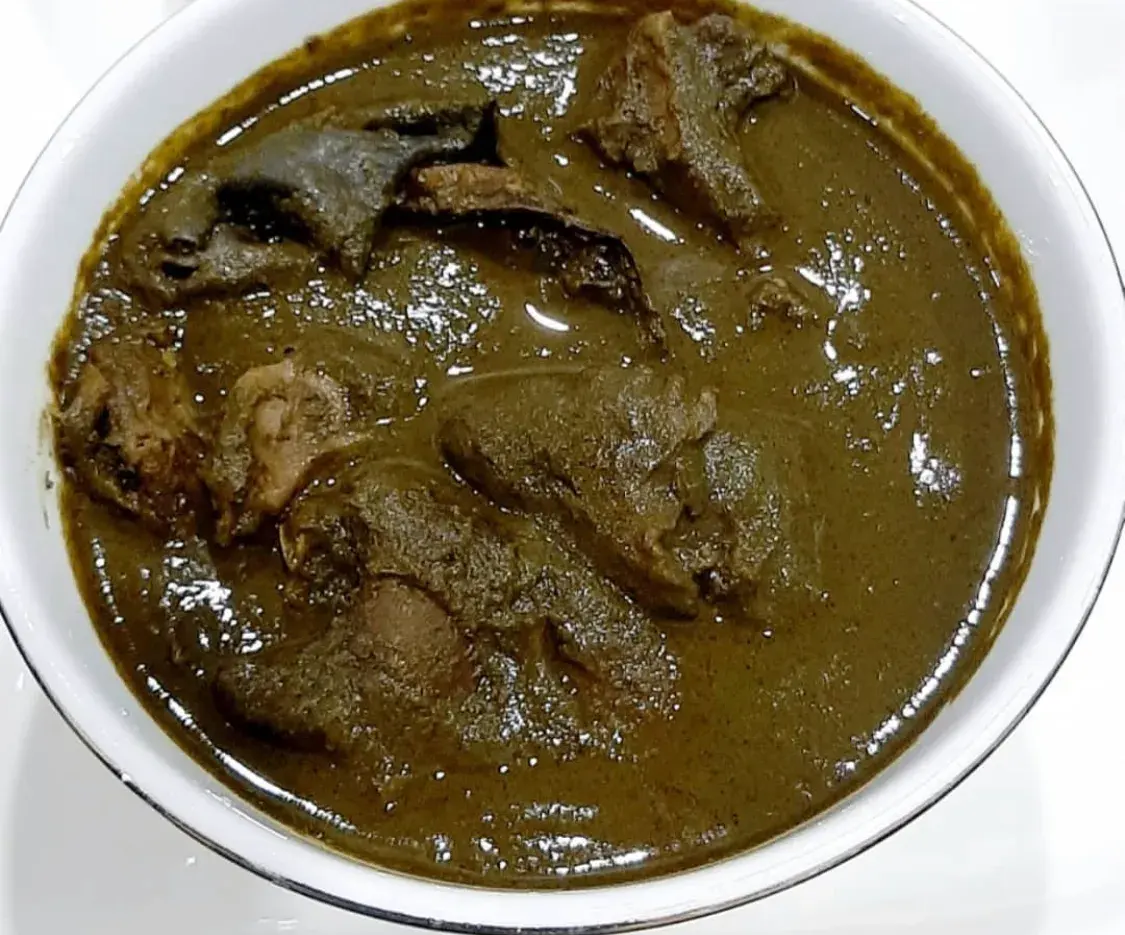
Edo Black Soup
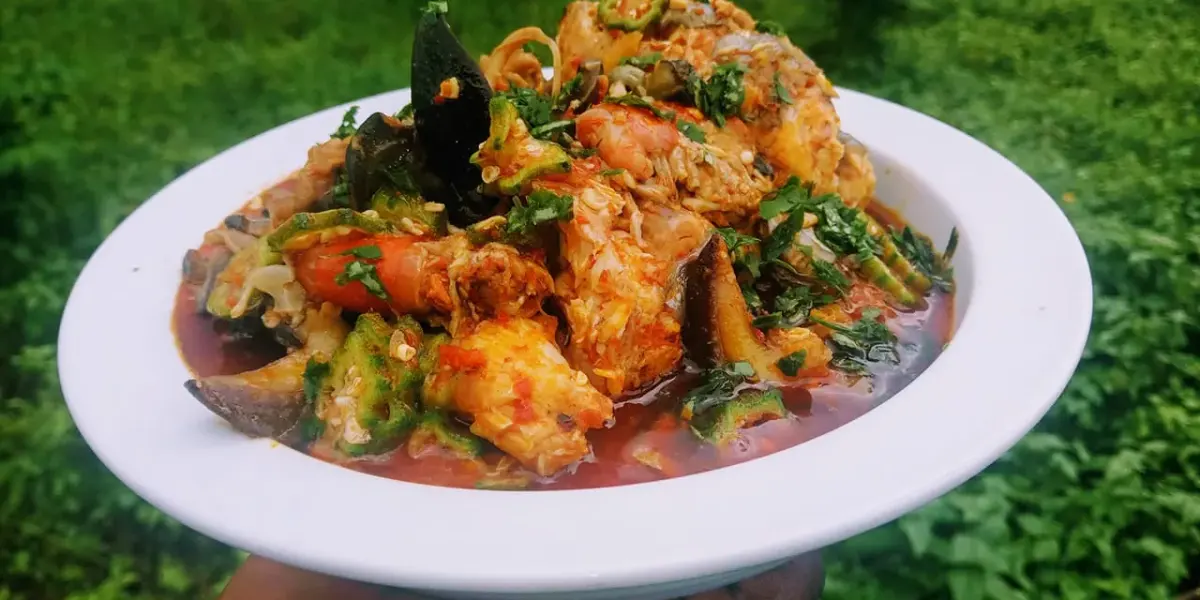
Nigerian Fisherman Soup
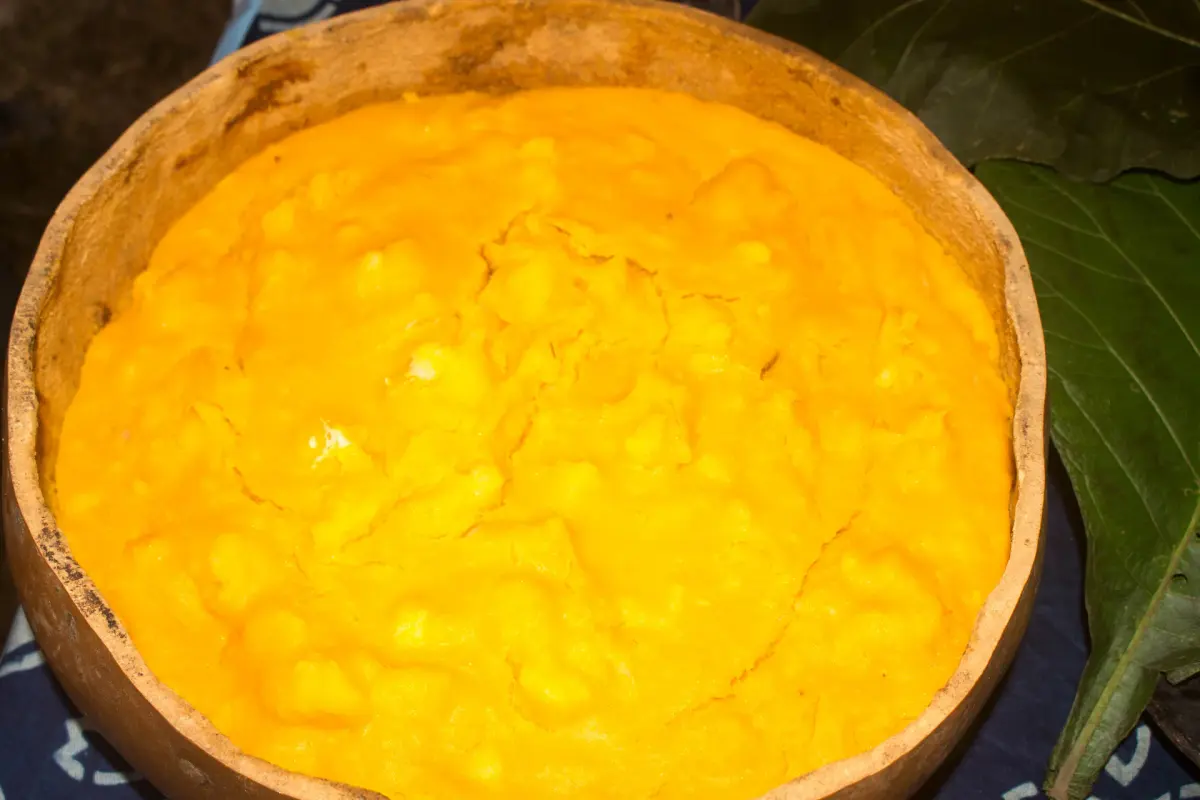
Igbo Yam Porridge
my blender almost smoked trying to grind the peanuts into butter without adding water. 500g is a bit too much for a standard machine at once, had to do it in small batches. also took way more than a tablespoon of water to get any oil to separate from the paste, maybe because peanuts here are drier? tasted alright after frying but far too much stress sha.
Stirring that peanut butter to get the oil out is no joke o, my arm nearly fell off! Bought the raw peanuts from the African shop in Moston. I added a bit extra ginger powder because I like the kick. Texture turned out so crunchy just like back home in Enugu. Took me longer than 20 mins prep though, squeezing that oil takes real patience sha.
Herh the oil extraction step brought back memories paa! My grandmother used to make us sit and stir the peanut paste for what felt like hours. We sometimes add a bit of dry pepper to ours in Ghana, but the ginger powder here gives it a very nice aroma when frying. The crunch is spot on chale.