

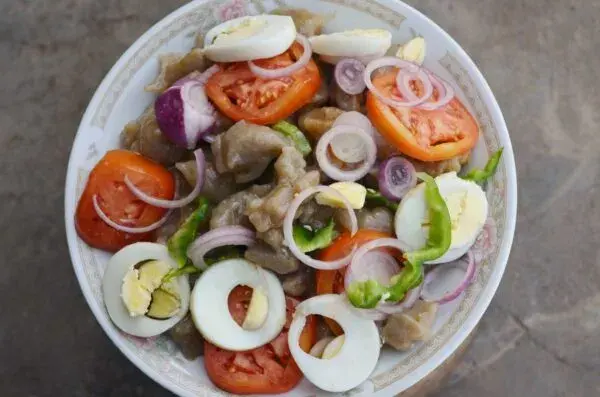
Danwake Assorted
Aperçu
Danwake is a Northern Nigerian dish of small dumplings made from bean flour and ground baobab leaf, then cooled and dressed with oil and pepper. The dumplings are pale green from the kuka, soft and slightly springy, and they are eaten in quantity rather than as a delicate portion. Its origin is given as Niger, and it has been adopted so completely across Northern Nigeria that it now reads as a staple of the region rather than an import from it. The flour blend varies from one part of the north to another, which means there is no single correct danwake and households treat the mix as something to have an opinion about. Traditionally it is eaten as danwake da mai da yaji, which is Hausa for danwake with oil and pepper, and that is the whole dish in its plain form. The eating method is part of the memory people carry of it: children pick up a single ball with a broomstick, swirl it in the oil and pepper, and eat it that way, one at a time. A fork is the modern substitute and is more hygienic, which is not the same as saying it is better. The assorted version here carries egg, tomato, onion and bell pepper alongside the base.
Note de Patrimoine AFN
Danwake is documented as originating in Niger and subsequently adopted across Northern Nigeria, where it is prepared from bean flour combined with ground baobab leaf. Its flour composition varies regionally within the north.
Ingrédients
Les mentions alimentaires sont fournies par les contributeurs à titre indicatif. Elles ne sont pas vérifiées par AFN et dépendent des produits que vous achetez. En cas d’allergie grave, vérifiez vous-même chaque ingrédient. Cuisine, allergies et votre propre jugement
Préparation
- 1
Pour the danwake flour into a bowl. Add water and mix thoroughly until a soft consistency is reached. Cover and leave in a warm place for 5 minutes to let the mixture settle and bind.
- 2
Place the eggs in a pot of boiling water with a teaspoon of salt and boil for 10 to 12 minutes. Move them to cold water, then peel and slice.
- 3
Half fill a medium pot with water and bring to the boil. Scoop the danwake dough with your fingers into balls and drop them into the boiling water. Make as many as the pot will hold without overflowing.
- 4
Cover the pot halfway and cook for 3 to 5 minutes. Remove the balls and place them in cold water for 2 to 3 minutes, then drain into a bowl.
- 5
Add the olive oil, salt, seasoning cube and red pepper to the danwake balls and toss until evenly coated. Slice the tomato, bell pepper and onion and add them to the bowl.
- 6
Sprinkle over lemon juice to finish, if using.
Notes de l’Africook
 Notes personnelles de Maryam Al-Mansour
- The cold water bath after boiling is not optional. It stops the cooking and firms the dumplings, and skipping it leaves them soft and prone to breaking up when tossed.
- Do not crowd the pot. Too many balls at once drops the water temperature and they cook unevenly, with the outer ones falling apart before the centre ones are done.
- Danwake flour is a blend rather than a single ingredient, usually bean flour with ground baobab leaf and sometimes cassava flour. It is sold ready mixed at Nigerian grocers, and the composition varies by region.
- The plain version, danwake da mai da yaji, is oil and pepper only and is the base dish. The vegetables and egg here are an addition rather than a correction.
- Serve it warm rather than hot. Danwake is conventionally eaten at just above room temperature, which is why the cold water step exists.
Questions fréquentes
What is danwake flour made of?
It is a blend rather than one ingredient. Bean flour and ground baobab leaf, known as kuka, are the constants, and cassava flour or others are added depending on the part of Northern Nigeria. The kuka is what gives the dumplings their pale green colour and slightly mucilaginous texture. It is sold ready mixed at Nigerian grocers, and formulations differ between brands.
How is danwake traditionally eaten?
As danwake da mai da yaji, Hausa for danwake with oil and pepper, which is the plain form. The dumplings are tossed in groundnut oil and a dry pepper blend and eaten one at a time. Children traditionally pick up each ball with a broomstick and swirl it through the oil and pepper before eating it. A fork does the same job.
Can I make danwake without ready mixed flour?
You can approximate it with bean flour and baobab leaf powder mixed together, which are both sold separately at African grocers, though getting the ratio right takes a few attempts. The ready mixed flour is what almost everyone uses, in Nigeria as well as abroad, because the blend is what the dish depends on.
Why are my danwake dumplings falling apart?
Usually the dough was too wet, or the pot was overcrowded. The mixture should be soft but able to hold a shape when scooped, and it needs the five minute rest to bind before it goes anywhere near water. Boiling too many at once also drops the temperature and breaks them up.
Avis
3 avis
Vous Aimerez Aussi
Voir toutes les recettes Nigeria →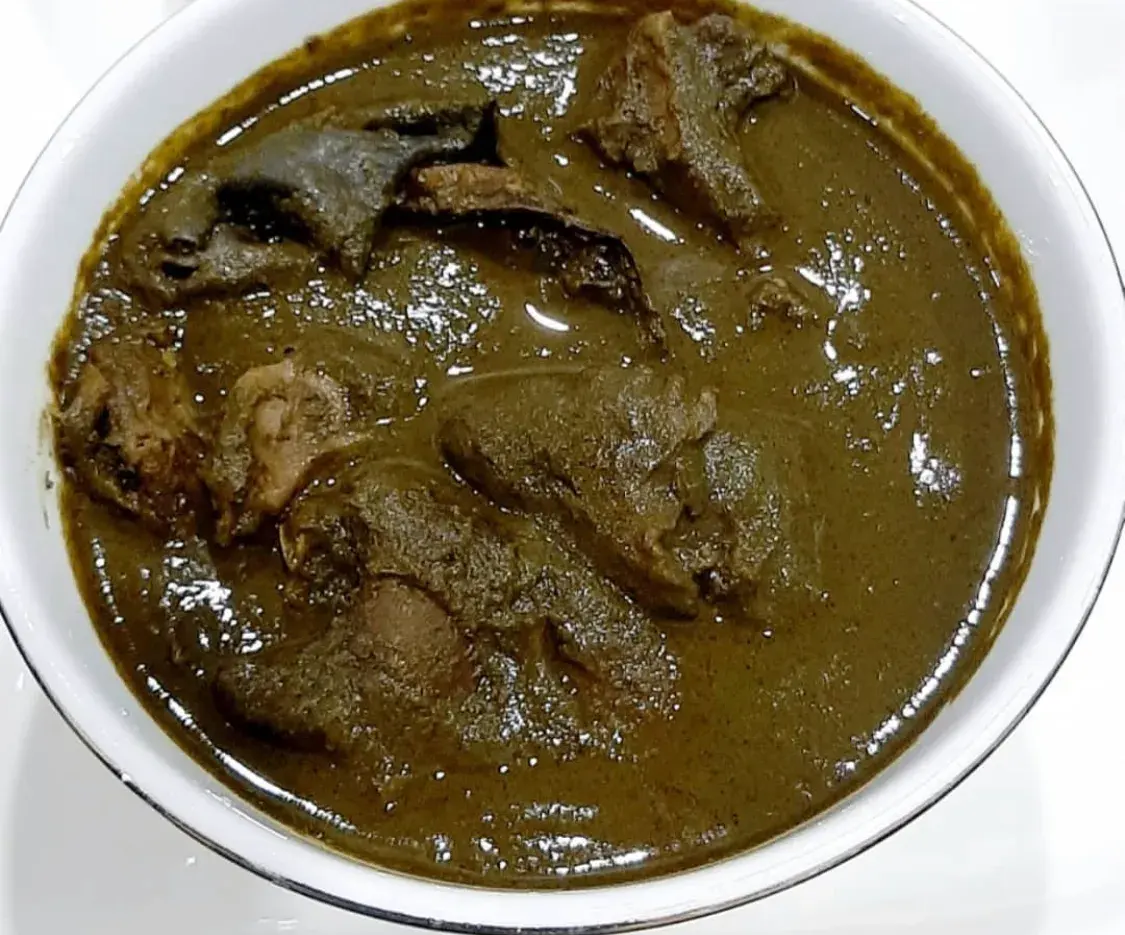
Edo Black Soup
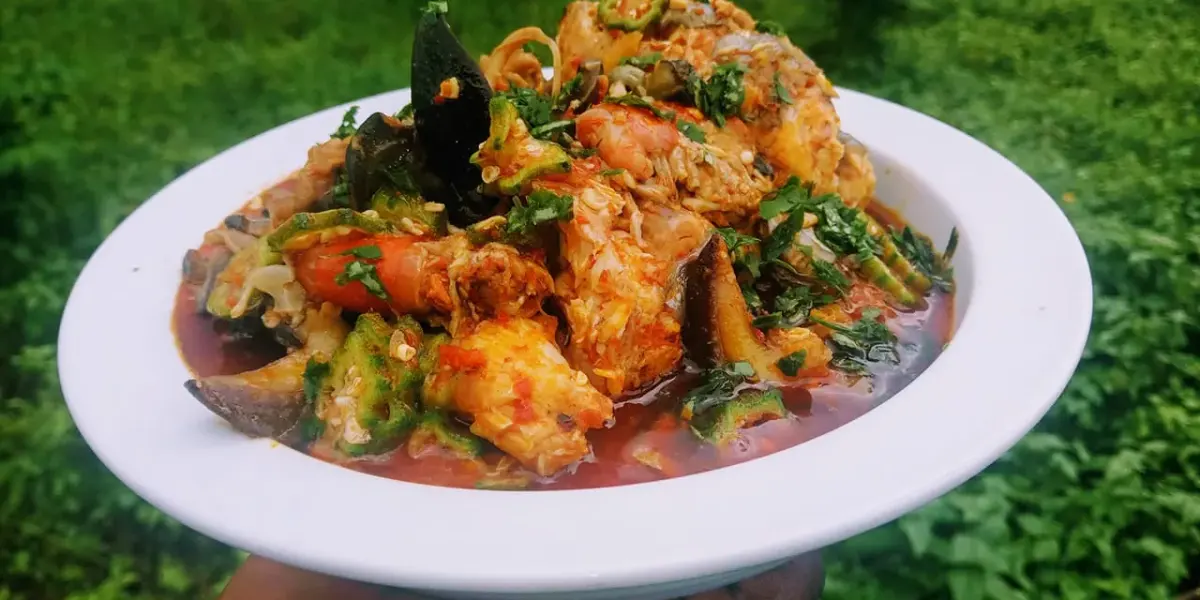
Nigerian Fisherman Soup
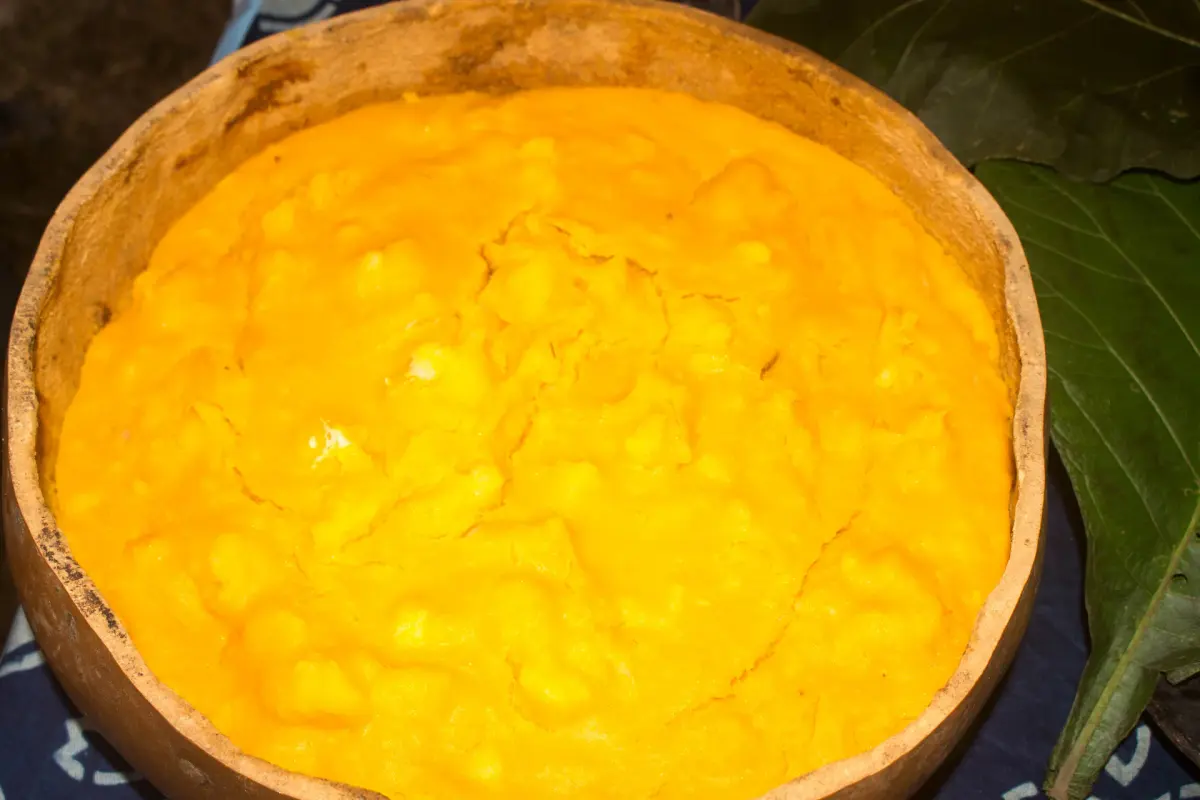
Igbo Yam Porridge
3 to 5 minutes boiling time was way too short abeg. when i bit into the first dumpling the inside was still sticky and tasted like raw flour dough. i had to cook the rest for almost 8 minutes before shocking them in cold water. the tomato and seasoned oil coating was nice though.
herh olive oil on danwake? my hausa friends in kumasi always use warm groundnut oil or deep-fried vegetable oil with plenty raw onions chale. but dropping the hot flour balls into cold water right after boiling is very necessary, keeps them firm and not sticky paa.
couldnt get ready-made danwake flour here in birmingham so i had to mix cowpea flour and a bit of cassava flour. squeezing that fresh lemon juice over the warm dumplings and sliced eggs brought back pure nostalgia sha. e sweet well well.