

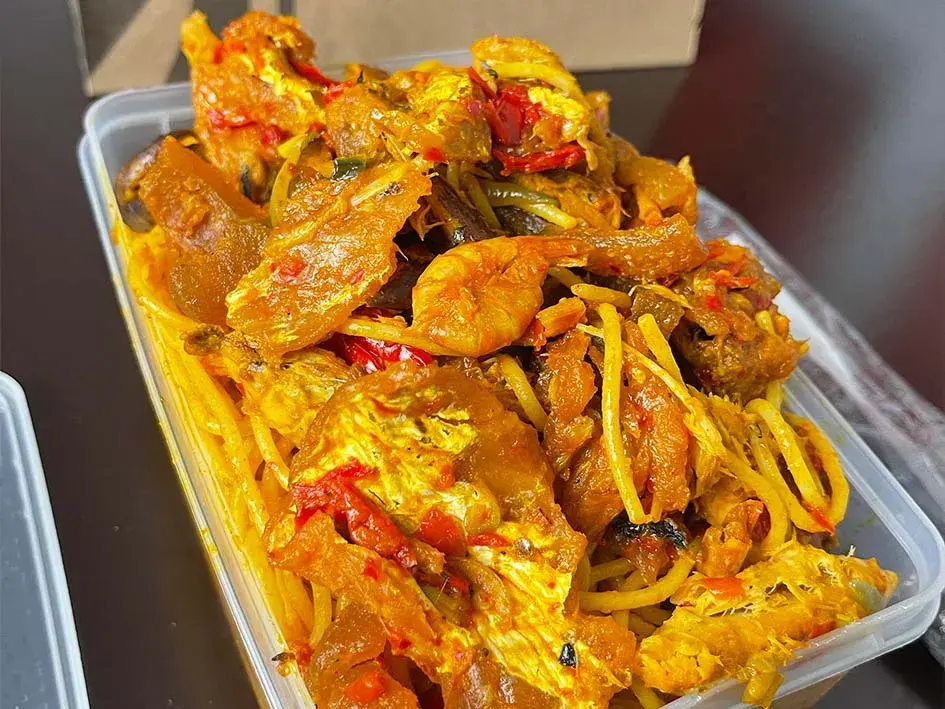
Nigerian Native Spaghetti
Aperçu
Native spaghetti is what happens when Nigerian soup logic is applied to pasta, and the word native is doing precise work in the name. It signals that the dish is seasoned the way a Nigerian soup is seasoned rather than the way an Italian sauce is: palm oil instead of olive oil, crayfish instead of parmesan, dried and smoked fish, kpomo and stockfish instead of mince. The base is the same one that underpins a great deal of southern Nigerian cooking. Palm oil is heated, onions and a large quantity of pepper go in, ground crayfish follows, and then the dried and smoked proteins are added and allowed to soften into the sauce. Anyone who cooks Nigerian soups will recognise the sequence immediately. What is unusual is only what gets tossed through it at the end. It is a genuinely contemporary dish, not an inherited one, but it is a more interesting kind of new than a straightforward fusion. Rather than importing a foreign technique, it takes an imported ingredient and treats it entirely on Nigerian terms. Spaghetti has been eaten in Nigeria for decades and native spaghetti is one of the clearer signs that it has been absorbed rather than merely adopted. It is hot by design: ten scotch bonnets and ten shombo is a Nigerian quantity.
Ingrédients
Les mentions alimentaires sont fournies par les contributeurs à titre indicatif. Elles ne sont pas vérifiées par AFN et dépendent des produits que vous achetez. En cas d’allergie grave, vérifiez vous-même chaque ingrédient. Cuisine, allergies et votre propre jugement
Préparation
- 1
Cook the spaghetti in a pot according to the package instructions until al dente. Reserve some of the pasta water and drain.
- 2
Heat the palm oil in a large pan over medium heat.
- 3
Add the chopped onions and fry until golden brown.
- 4
Add the scotch bonnet and cayenne peppers and cook for a few minutes until fragrant.
- 5
Stir in the crayfish and cook for another minute.
- 6
Add the dried fish, smoked fish, kpomo, dried shrimp and stockfish. Stir well to combine.
- 7
Pour in some of the reserved pasta water to cover the ingredients and let it simmer.
- 8
Season with crayfish seasoning and salt to taste.
- 9
Add the drained spaghetti to the pan and mix through.
- 10
Serve hot, garnished with additional crayfish if you like.
Notes de l’Africook
 Notes personnelles de Sobecooks
- Soak the stockfish and dried fish before they go in. Both are rock hard dry and need rehydrating or they will stay tough in a sauce this short.
- Use the pasta water rather than plain water. The starch in it helps the sauce cling to the spaghetti instead of sliding off.
- Palm oil is not interchangeable here. It is what makes the dish native rather than simply spicy, and vegetable oil gives a completely different result.
- Ten scotch bonnets plus ten shombo is a genuine Nigerian heat level. Reduce both if you want, but the dish is meant to be hot.
- Kpomo needs pre boiling until tender before it joins the pan, since it will not soften in the time the sauce takes.
Questions fréquentes
What does native mean in Nigerian cooking?
It signals that a dish is prepared with local ingredients and local seasoning rather than imported ones. In this case palm oil rather than vegetable or olive oil, ground crayfish, dried and smoked fish, stockfish and kpomo rather than mince and tomato paste. Native rice and native soup are used the same way, and the word marks the treatment rather than the ingredient.
What is kpomo and do I need it?
Kpomo, also called ponmo, is cow skin, boiled until soft and cut into pieces. It has almost no flavour of its own and is valued for its gelatinous chew, and it is a standard component of Nigerian soups. It is optional here, though its absence is noticeable. Boil it separately until tender before adding it.
Is native spaghetti a traditional Nigerian dish?
No, and it does not pretend to be. Spaghetti arrived in Nigeria in the twentieth century. What makes this dish worth documenting is that it applies an entirely Nigerian seasoning approach to an imported ingredient rather than importing a foreign technique, which is a different thing from a straightforward fusion.
Can I use another pasta shape?
Yes. Spaghetti is the standard but any long pasta works, and short shapes hold the sauce well. What matters more is reserving the starchy cooking water, which helps a fairly loose sauce cling. Rice noodles also work if you want the dish gluten free, though they behave differently in the pan.
Avis
5 avis
Vous Aimerez Aussi
Voir toutes les recettes Nigeria →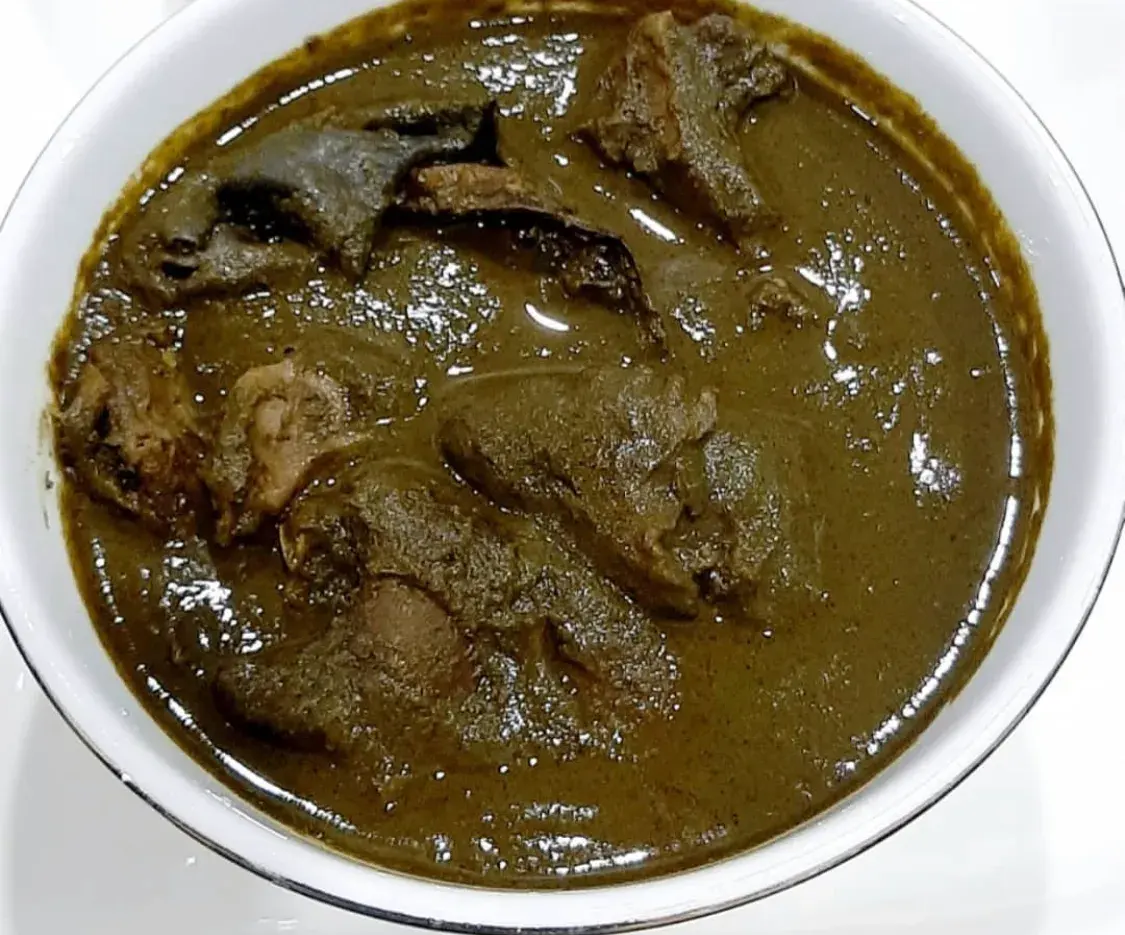
Edo Black Soup
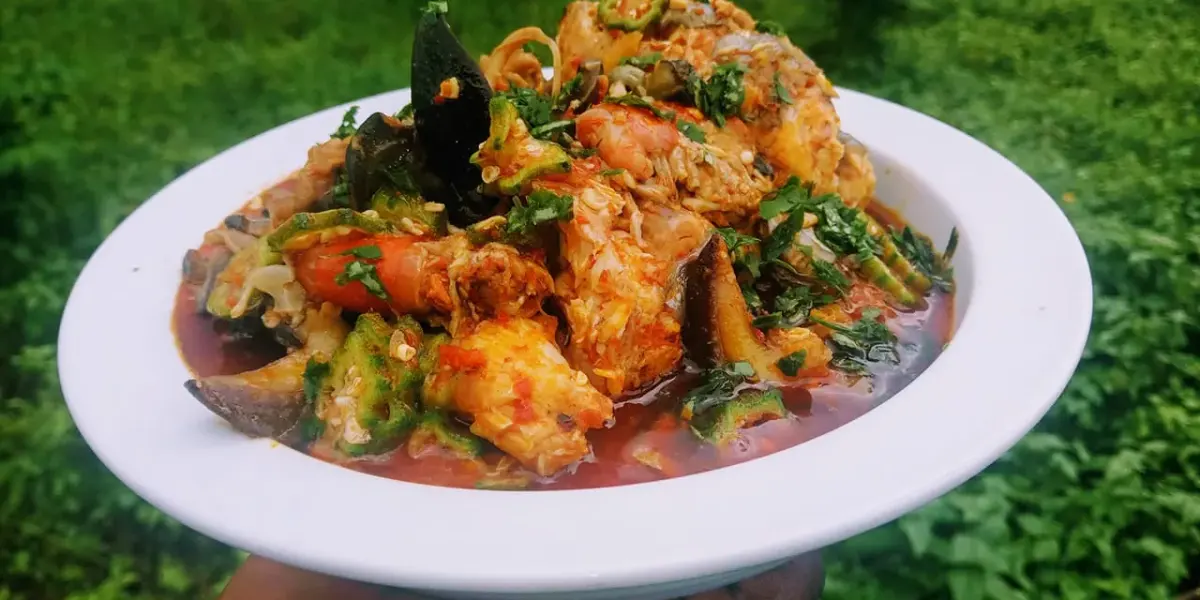
Nigerian Fisherman Soup
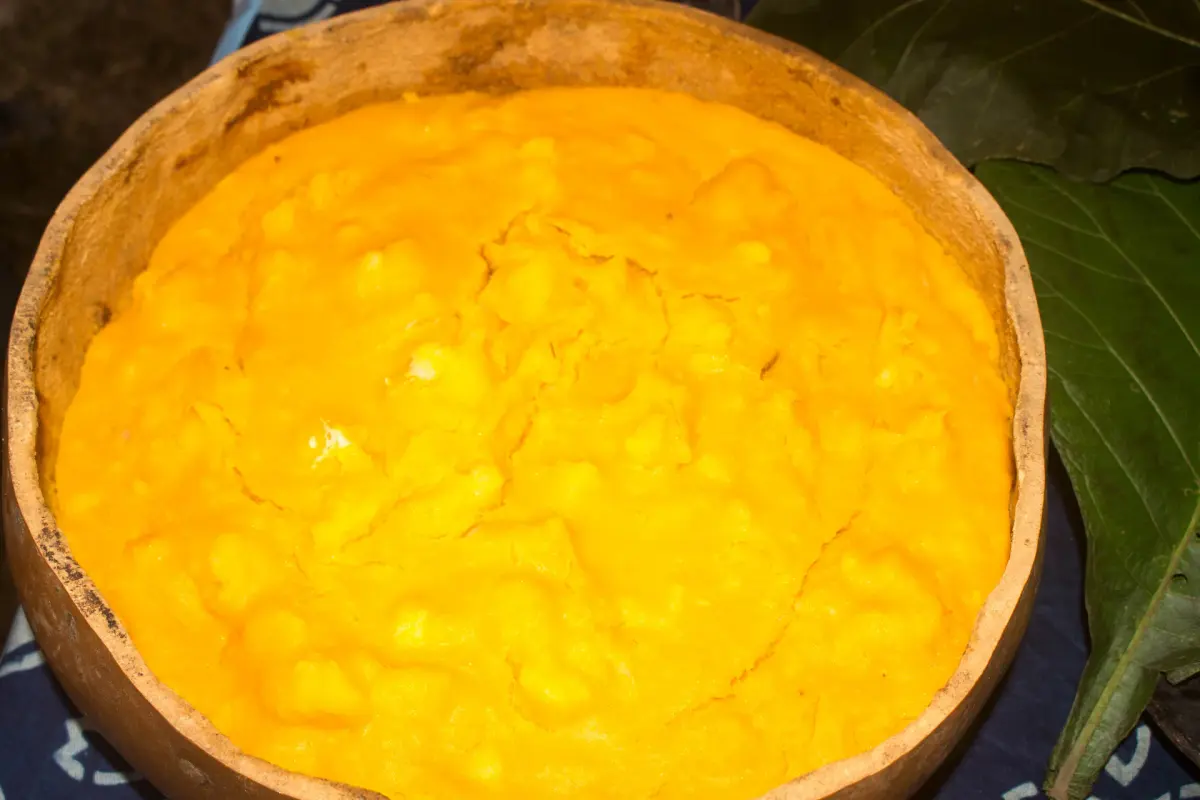
Igbo Yam Porridge
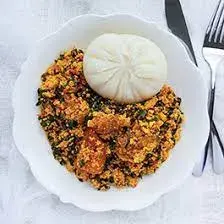
Couldn't find proper dried fish anywhere in North Hollywood, so I had to drive down to an African store near Inglewood just to get the stockfish and red palm oil. Measured out the 1/4 cup oil as written, but 10 scotch bonnets was a bit too fiery! Had to tone down the heat slightly, but the crayfish smell while frying was lekker and took me straight back.
Herh, 10 scotch bonnets plus 10 cayenne peppers? That pepper level is way too intense oo! In Ghana we make a similar local spaghetti with palm oil and fish, but we don't put this much ground crayfish into the base oil. Tried your method yesterday chale, taste was okay but my mouth was burning paa.
I managed to get good kpomo and smoked catfish from the tropical store near me, but stockfish here in the UK is so expensive sha! Followed the step where you fry the ground crayfish in the palm oil right after the peppers, smell alone almost brought tears to my eyes. E sweet well well.
Getting kpomo in Berlin is near impossible abeg, so I had to skip it completely and just double up on the dried shrimp and smoked mackerel from the Asian market in Wedding. Reduced the shombo to 4 because my German flatmate can't handle real heat. Still turned out so delicious o.
Cooked this last night after boiling 500g of Fatti's & Moni spaghetti for exactly 8 minutes until al dente. Used about 60ml of palm oil. The combination of smoked fish and the ground crayfish creates such a lekker rich aroma when you toss the pasta in at the end.