

Palm Fruit Juice
Aperçu
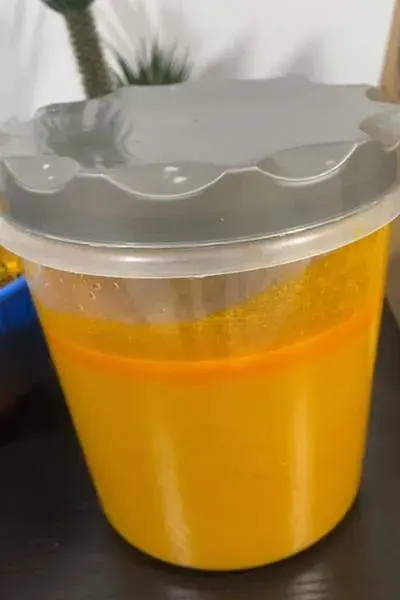
Palm fruit juice is not a drink despite the name. It is the thick orange extract pressed from the flesh of the palm fruit, and it is the base ingredient of an entire family of West African soups including banga, ofe akwu and abak atama. Getting it right is the difference between those soups working and not. It is distinct from palm oil, which comes from the same fruit. Palm oil is the extracted fat, thin and deep red. Palm fruit juice is the whole pulp suspended in water, thicker, more substantial and carrying the fruit's flavour rather than just its fat. Substituting one for the other is the single most common error people make with these soups, and it produces something oily and thin instead of rich and full. Extraction is manual and physical, and it is the reason the ingredient is more often bought than made. Softening the fruit, pounding it in a mortar and working the pulp free of its fibre and nuts is close to an hour's labour before any soup has been begun. Across Nigeria it was and in many households still is done by hand, and tinned concentrate exists precisely because the process is so laborious. Fresh extract freezes for three months, which is what most people do who go to the trouble.
Note de Patrimoine AFN
The oil palm, Elaeis guineensis, is indigenous to West and Central Africa and its fruit has been processed there for several thousand years, with archaeological evidence of its use documented at West African sites. The pressed pulp forms the base of the region's palm fruit soups.
Ingrédients
Les mentions alimentaires sont fournies par les contributeurs à titre indicatif. Elles ne sont pas vérifiées par AFN et dépendent des produits que vous achetez. En cas d’allergie grave, vérifiez vous-même chaque ingrédient. Cuisine, allergies et votre propre jugement
Préparation
- 1
Wash the palm fruit thoroughly, two or three times for best results.
- 2
Transfer to a pot and add water to the level of the fruit.
- 3
Boil for 35 to 45 minutes, until the flesh is soft.
- 4
Crush with a mortar and pestle, a bottle or a food processor.
- 5
Pour hot water into the crushed fruit, adjusting for the consistency you want.
- 6
Squeeze out the chaff and strain.
- 7
Use immediately or freeze for up to 3 months.
Notes de l’Africook
 Notes personnelles de Sobecooks
- Crush rather than blend if you can. A blender will chop the hard nuts, which then have to be picked out and which can damage the blades.
- Use hot water for the extraction, not cold. Hot water releases far more pulp from the fibre.
- Squeeze the chaff hard and then repeat with a second addition of hot water. A single pass leaves a great deal behind.
- Freeze it in portions. It keeps three months and thaws perfectly, which makes the whole laborious job worth doing once rather than often.
- Tinned palm fruit concentrate, sold as banga sauce or sauce graine, is a legitimate shortcut and is what most cooks use.
Questions fréquentes
What is the difference between palm fruit juice and palm oil?
They come from the same fruit and are entirely different products. Palm oil is the extracted fat, thin and deep red, used as a cooking oil. Palm fruit juice is the whole pulp suspended in water, thick and substantial, used as the base of a soup rather than as a fat. Substituting palm oil gives an oily, thin soup and is the most common mistake made with banga and its relatives.
Can I use tinned concentrate instead?
Yes, and most cooks do, including in Nigeria. Tinned palm fruit concentrate is sold as banga sauce, palm nut cream or sauce graine and removes the entire extraction process. Dilute it with water or stock to the consistency you want. The difference in the finished soup is modest and the saving in effort is considerable.
How do I know when the palm fruit is boiled enough?
When the flesh yields easily under a thumb and comes away from the nut without resistance, usually 35 to 45 minutes. Underboiled fruit will not release its pulp however hard you pound it. There is no harm in boiling longer, so err on the side of more time if you are unsure.
What soups is it used for?
Banga soup in the Niger Delta, ofe akwu among the Igbo, abak atama in Akwa Ibom, and palm nut soup or abenkwan in Ghana and Côte d'Ivoire. All are built on the same extract handled by different traditions with different spices. It is a base ingredient rather than a dish in itself.
Avis
2 avis
Vous Aimerez Aussi
Voir toutes les recettes Nigeria →
Edo Black Soup
Nigerian Fisherman Soup
Igbo Yam Porridge
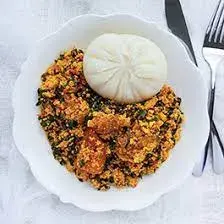
managed to find fresh palm fruit at the afro shop by luton station last week. boiled them for just over 40 minutes until the flesh was soft enough to crush. pounding it took some elbow grease with my mortar but pouring the hot water in extracted so much rich juice. tried a bit with my sadza and it took me right back home.
i was lucky to get actual palm fruit from smethwick instead of using the tinned concentrate. make sure you wash them properly o, at least 3 times like you said because of sand. boiled mine for 45 mins then used a heavy pestle to crush it out. the juice came out so thick and sweet, e sweet no be small thing.