
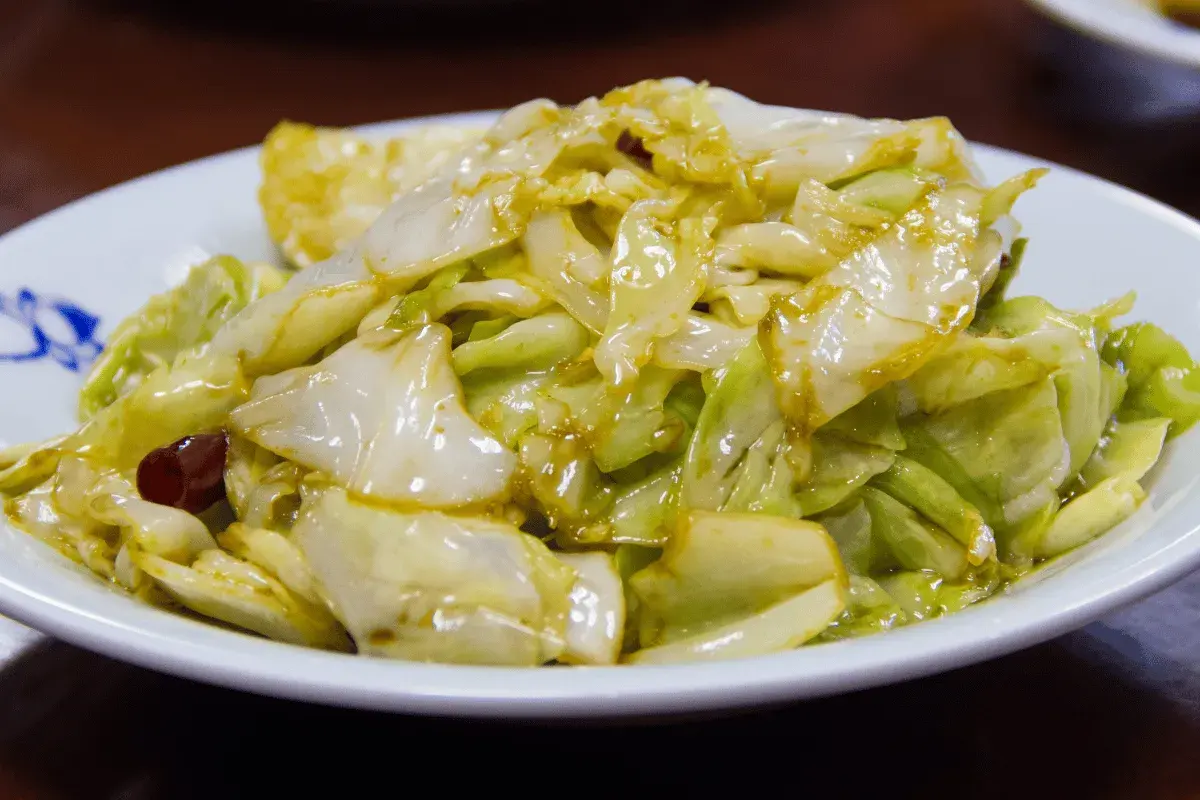
Instant Pot Cabbage
Abuja, Nigeria · Voir toutes les recettes
Aperçu
Cabbage sautéed and then pressure cooked briefly with broth, finished with apple cider vinegar. It is an appliance recipe with no country attached, and it sits in Worldwide Recipes with its URL unchanged. What the pressure cooker does is worth understanding. Cabbage has tough cell walls, and the pressurised environment breaks them down far faster than boiling, braising or roasting: three minutes under pressure against the hour or more those methods take. That speed is the entire appeal, and it also means the margin between tender and collapsed is narrow. The apple cider vinegar at the end is doing real work. Cabbage turns sweet as it cooks and a splash of acid at the finish cuts through that and sharpens the whole dish, which is why it goes in after cooking rather than before. Africa's own cabbage dishes are quite different and are worth naming: South African chakalaka combines it with carrot, beans and curry spice; East African cabbage is fried with onion, tomato and carrot alongside ugali; Ethiopian tikil gomen cooks it slowly with potato, carrot and turmeric. None of them is this.
Ingrédients
Les mentions alimentaires sont fournies par les contributeurs à titre indicatif. Elles ne sont pas vérifiées par AFN et dépendent des produits que vous achetez. En cas d’allergie grave, vérifiez vous-même chaque ingrédient. Cuisine, allergies et votre propre jugement
Préparation
- 1
Add the olive oil to the pot.
- 2
Once hot, add the chopped cabbage and sauté for 2 to 3 minutes until it starts to wilt.
- 3
Add the broth, salt and pepper and stir to coat the cabbage.
- 4
Secure the lid and make sure the valve is set to sealing. Set to pressure cook on high for 3 minutes.
- 5
Once cooking is done, quickly release the pressure.
- 6
Stir in the apple cider vinegar.
- 7
Serve warm.
Notes de l’Africook
 Notes personnelles de Deborah Olayiwola
- Release the pressure immediately. Left to release naturally, the cabbage carries on cooking and collapses.
- Add the vinegar after cooking, not before. Cabbage sweetens as it cooks and the acid at the end is what balances it.
- Chop the cabbage evenly. Three minutes is not long enough for uneven pieces to catch up with each other.
- Sauté before pressure cooking. It builds a little colour and flavour that plain steaming does not.
- Cooking time varies with how large you chop it, so adjust rather than assuming three minutes always works.
- Chopped bacon, shredded carrots or other vegetables are all easy additions, as the source notes.
Questions fréquentes
Why use a pressure cooker for cabbage?
Speed. Cabbage has tough cell walls that the pressurised environment breaks down far faster than boiling, braising or roasting: three minutes under pressure against an hour or more otherwise. The whole dish is on the table in under half an hour, which is the appeal.
Why add vinegar at the end?
Because cabbage turns noticeably sweet as it cooks, and a splash of acid at the finish cuts through that and sharpens the flavour. Added before cooking it would be dulled by the heat. Apple cider vinegar is specified but lemon juice or plain white vinegar work as well.
What are the African cabbage dishes?
Several, all quite different. South African chakalaka combines cabbage with carrot, beans and curry spice. East African cabbage is fried with onion, tomato and carrot and eaten with ugali. Ethiopian tikil gomen cooks it slowly with potato, carrot and turmeric. Each belongs to a specific tradition.
Can I make it without a pressure cooker?
Yes. Sauté the cabbage in oil, add the broth, cover and cook over medium-low heat for 15 to 20 minutes until tender, then stir in the vinegar. It takes longer and the result is very similar. Roasting at 200°C for 25 minutes gives a browner, sweeter version.
Avis
Soyez le premier à noter cette recette
Vous l’avez cuisinée ? Votre note aide la personne suivante à se décider.
Aucun avis sur cette recette pour le moment. Si vous l’avez cuisinée, le vôtre serait le premier.