

Zobo Drink
Aperçu
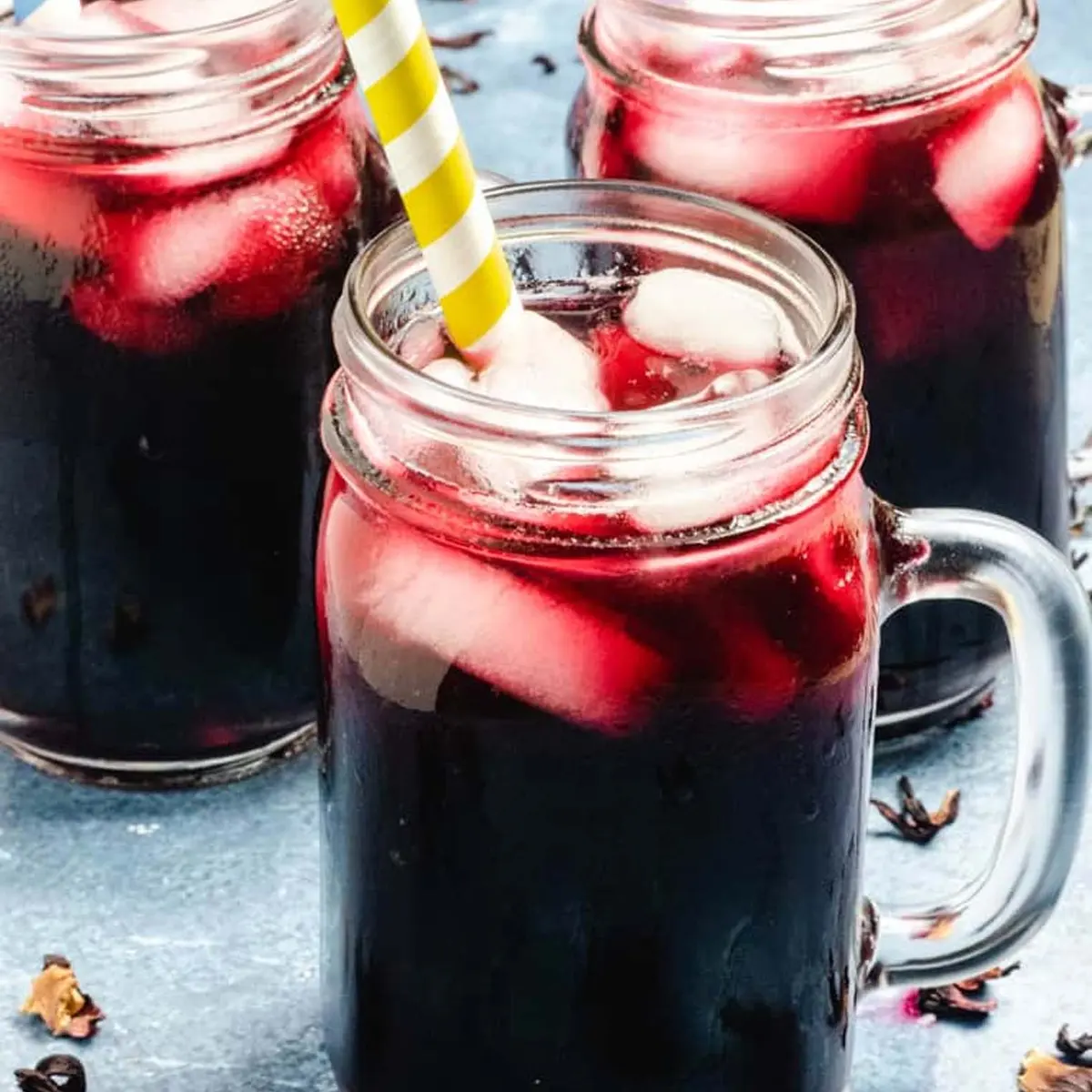
Zobo is the Nigerian name for a deep red infusion made from dried hibiscus calyces, and it is one of the few drinks that crosses every line in the country, sold from coolers at motor parks, poured at weddings, made at home in large jugs and kept cold for whoever passes through. The same flower travels under different names almost everywhere it is drunk. In Senegal and much of francophone West Africa it is bissap. In Ghana it is sobolo. Across the Caribbean it is sorrel, carried there through the Atlantic trade and now inseparable from Christmas. In Egypt it is karkade. The plant is Hibiscus sabdariffa, and what is steeped is not the petal but the calyx, the fleshy cup left behind after the flower falls. What varies from house to house is what goes in beside it. Ginger and cloves are near universal in the Nigerian version. Beyond that the argument is open, pineapple skin, garden egg leaf, cucumber, lemongrass, a stick of cinnamon. Sweetness is the real dividing line: purists take it plain and tart, while most drinkers add sugar or fruit juice until it turns almost like a cordial. It is caffeine-free, which is part of why it is poured for everyone including children, and it holds its colour for days in the fridge.
Note de Patrimoine AFN
Hibiscus sabdariffa is documented in West African use long before the drink reached the wider world, and the same calyx underpins bissap in Senegal, sobolo in Ghana and karkade in Egypt. The Caribbean sorrel tradition descends from the same plant carried across the Atlantic.
Ingrédients
Les mentions alimentaires sont fournies par les contributeurs à titre indicatif. Elles ne sont pas vérifiées par AFN et dépendent des produits que vous achetez. En cas d’allergie grave, vérifiez vous-même chaque ingrédient. Cuisine, allergies et votre propre jugement
Préparation
- 1
Wash the zobo leaves in order to remove the dust from the leaves.
- 2
Peel the pineapple and use the back of the pineapple.
- 3
Put the zobo leaves, pineapple back with the ginger and cook on medium heat. Cook for like 10mins.
- 4
When done you will see the colour of the drink will come out.
- 5
Pour the boiled leaves into a sieve, so as to separate the leave from the water.
- 6
Let it cool and add sugar to taste.
- 7
Serve chilled, ENJOY.
Notes de l’Africook
 Notes personnelles de Beatrice Ige
- Steep rather than boil hard, a long steep in water just off the boil draws colour and flavour without the flat, stewed taste that a rolling boil produces.
- Sweeten at the end, not the start. The tartness varies with the batch of calyces, so taste before you commit.
- Strain twice if you want it clear. The second pass through a fine sieve or muslin catches the sediment that clouds it.
- Ginger is the one addition almost nobody leaves out. Slice it rather than grating it if you want warmth without heat.
- It keeps three to four days covered in the fridge and the flavour deepens overnight.
Questions fréquentes
Is zobo the same as bissap, sobolo and sorrel?
Yes, all four are made from the dried calyces of Hibiscus sabdariffa, and the differences are in what is added rather than the base. Zobo is the Nigerian name, bissap is used across Senegal and much of francophone West Africa, sobolo is Ghanaian, and sorrel is the Caribbean name for the same drink. Egypt's karkade is the same plant again. The Caribbean version descends from hibiscus carried across the Atlantic during the slave trade, which is why it appears in Jamaican and Trinidadian Christmas traditions.
What part of the plant is actually used?
The calyx, not the petal. After the hibiscus flower drops, it leaves behind a fleshy red cup that held it, that is what is dried and steeped. This matters when buying: you want whole dried calyces, deep red and slightly leathery, rather than the crumbled hibiscus sold as tea, which gives a thinner colour and a dustier taste.
Does zobo have to be sweet?
No, and this is the main disagreement among people who drink it. On its own the infusion is genuinely tart, closer to cranberry than to fruit juice. Many Nigerians add sugar, pineapple juice or a fruit blend until it drinks like a cordial. Others take it plain and cold. Neither is more correct, sweeten to your own taste, and add it after steeping so you can judge.
How long does it keep?
Three to four days in a covered container in the fridge, and most people find it tastes better on day two once the ginger and cloves have settled into it. If you have added fresh fruit juice it will not keep as long. Freeze it in bottles if you have made a large batch, leaving room at the top for expansion.
Avis
4 avis
Vous Aimerez Aussi
Voir toutes les recettes Nigeria →
Edo Black Soup
Nigerian Fisherman Soup
Igbo Yam Porridge
My sister brought back dried hibiscus leaves from West Africa so I tried this today. I was so confused when you said use the pineapple back! But I boiled the peels sommer straight in with the ginger and leaves for 10 minutes like you said. The mauve colour came out so rich and my kitchen smells amazing. Added a bit of extra sugar while straining it through the sieve.
Chale, the pineapple back is where the real secret is hide oo! In Ghana we call this Sobolo, and without those peels, the flavour won't hit properly at all. Glad the ginger and hibiscus worked out for you, but next time try adding a bit of cloves too, it will taste proper paa.
Please make sure people wash those zobo leaves well abeg, the amount of sand and dust that came out before I boiled mine was plenty. But using the pineapple peel with plenty ginger is the secret sha, it gives that sharp bite when chilled. E sweet well well, my family finished the whole jar in one afternoon o.
Spot on about the washing! The first rinse looked like proper mud, reminded me of cleaning dried spices and herbs at home. That ginger kick is brilliant though, it gives it the same lovely sharp warmth as a good masala chai spice base, especially served ice cold.