
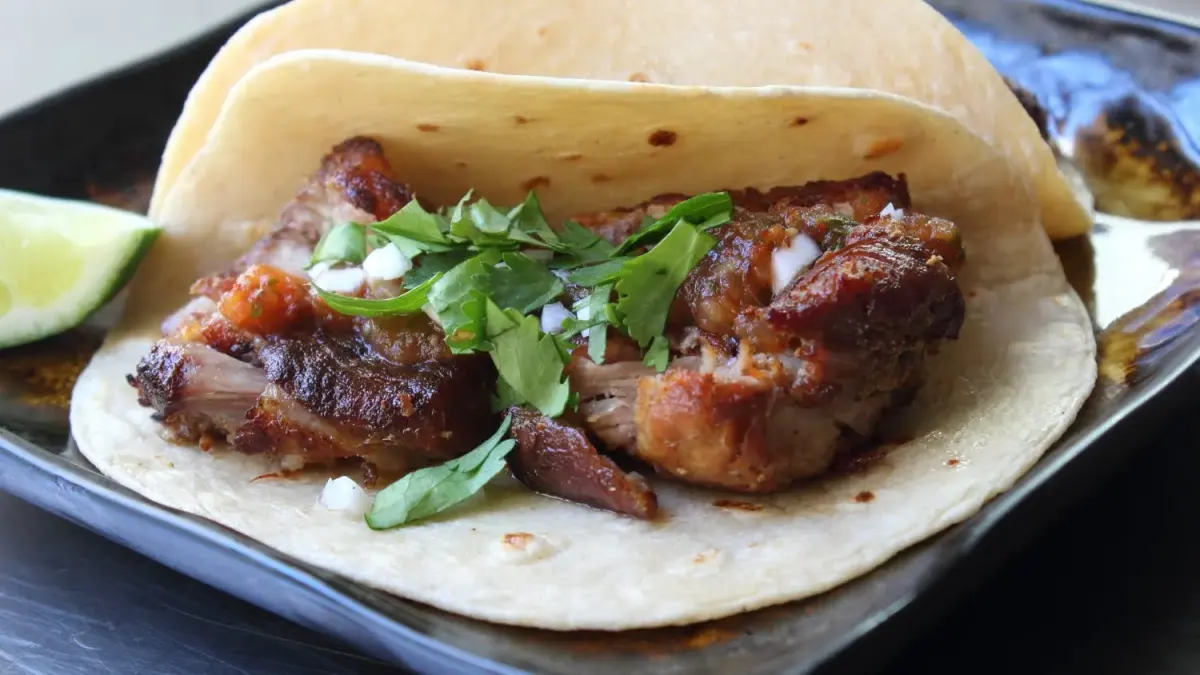
Orange and Milk Braised Pork Carnitas
Aperçu
Pork shoulder braised in milk and orange juice for two hours, then roasted and grilled until the edges crisp. Carnitas are Mexican, and the page sits in Worldwide Recipes with its URL unchanged. The name means little meats, and the technique is what defines it. Traditionally the pork is confited, cooked slowly submerged in lard until it is soft enough to shred, then briefly crisped at high heat. That two-stage structure is the whole point: soft and unctuous inside, browned and crunchy at the edges. Braising in milk instead of lard is a variation, and a sensible one for a domestic kitchen, since it produces the same tenderness with far less fat. Milk braising is worth understanding. The acid in the citrus curdles the milk, which looks alarming and is correct, the curds break down over a long cook and the whey tenderises the meat, giving a texture and a faint sweetness that water or stock cannot. It is an old Italian technique as well as a Mexican one. The source describes barbacoa as originating in the Caribbean. The word is Taíno and reached Spanish that way, but barbacoa as eaten in Mexico is Mexican. Recorded as the muddle it is.
Note de Patrimoine AFN
Carnitas are a Mexican dish of pork slowly cooked until tender enough to shred, then crisped at high heat. The name means little meats in Spanish. Traditionally the pork is cooked in lard; this version braises it in milk and orange juice.
Ingrédients
Les mentions alimentaires sont fournies par les contributeurs à titre indicatif. Elles ne sont pas vérifiées par AFN et dépendent des produits que vous achetez. En cas d’allergie grave, vérifiez vous-même chaque ingrédient. Cuisine, allergies et votre propre jugement
Préparation
- 1
Season the pork with the salt and pepper.
- 2
Warm the oil in a large pot over high heat.
- 3
Working in batches, brown the pork on all sides, about 5 minutes per batch.
- 4
Return all the pork and its accumulated juices to the pot.
- 5
Season with the bay leaves, cumin, oregano and cayenne.
- 6
Pour in the orange juice, orange zest and milk. The milk will curdle against the citrus, that is expected and correct.
- 7
Bring to the boil over high heat, then lower it right down.
- 8
Cover and cook gently, turning occasionally, until the meat is fork-tender but not falling apart, about 2 hours.
- 9
Set the oven to 450°F / 230°C.
- 10
Lift the pork out of the liquid. Skim some fat from the pot and use it to grease a baking dish.
- 11
Transfer the pork to the dish and drizzle about 2 more tablespoons of the floating fat over it. Season with more salt if needed.
- 12
Bake until browned, about 15 minutes, then finish under the grill for 2 to 3 minutes until crisp.
Notes de l’Africook
- Do not be alarmed when the milk curdles. The citrus does that, the curds break down over the long cook, and the whey is what tenderises the meat.
- Brown the pork in batches. A crowded pot steams the meat and you lose the base of the dish.
- The crisping stage is not optional. Carnitas without crisp edges are just braised pork.
- Keep the braising liquid. Strained and reduced, it makes a very good sauce for wet tacos.
- Pork shoulder, Boston butt or picnic ham, cheap, well-marbled cuts are what this needs. Lean pork dries out.
- It reheats well, and the edges crisp again under a hot grill.
Questions fréquentes
What are carnitas?
A Mexican pork dish whose name means little meats. A cheap, well-marbled cut, pork shoulder, Boston butt or picnic ham, is cooked slowly with seasonings until it is soft enough to shred, then roasted or fried at high heat so the edges crisp. That two-stage structure is what defines it: soft and rich inside, browned and crunchy outside. It is eaten on its own with salsa or used to fill tacos and burritos.
Why braise in milk?
Because it tenderises differently. The citrus curdles the milk, which looks wrong and is correct, the curds break down over the two-hour cook and the whey works on the meat, producing a softer texture and a faint background sweetness that water or stock does not give. Milk braising is an old technique in Italian cooking too, where pork is cooked the same way. Traditionally carnitas are cooked in lard instead.
Do I have to crisp it at the end?
Yes, if you want carnitas rather than braised pork. The contrast between the soft, shreddable interior and the browned, crunchy edges is the entire character of the dish, and skipping the roasting and grilling stage leaves you with something perfectly pleasant that is not carnitas. Fifteen minutes in a very hot oven and two or three minutes under the grill is all it takes.
What is barbacoa?
A related but distinct Mexican preparation, traditionally of beef, lamb or goat cooked slowly in a covered pit. The source describes it as originating in the Caribbean, which conflates two things: the *word* barbacoa is Taíno, from the Caribbean, and entered Spanish that way, it is also the root of the English barbecue. The dish as eaten in Mexico is Mexican. Both facts are true and the source runs them together.
Avis
Soyez le premier à noter cette recette
Vous l’avez cuisinée ? Votre note aide la personne suivante à se décider.
Aucun avis sur cette recette pour le moment. Si vous l’avez cuisinée, le vôtre serait le premier.
Vous Aimerez Aussi
Voir toutes les recettes South Africa →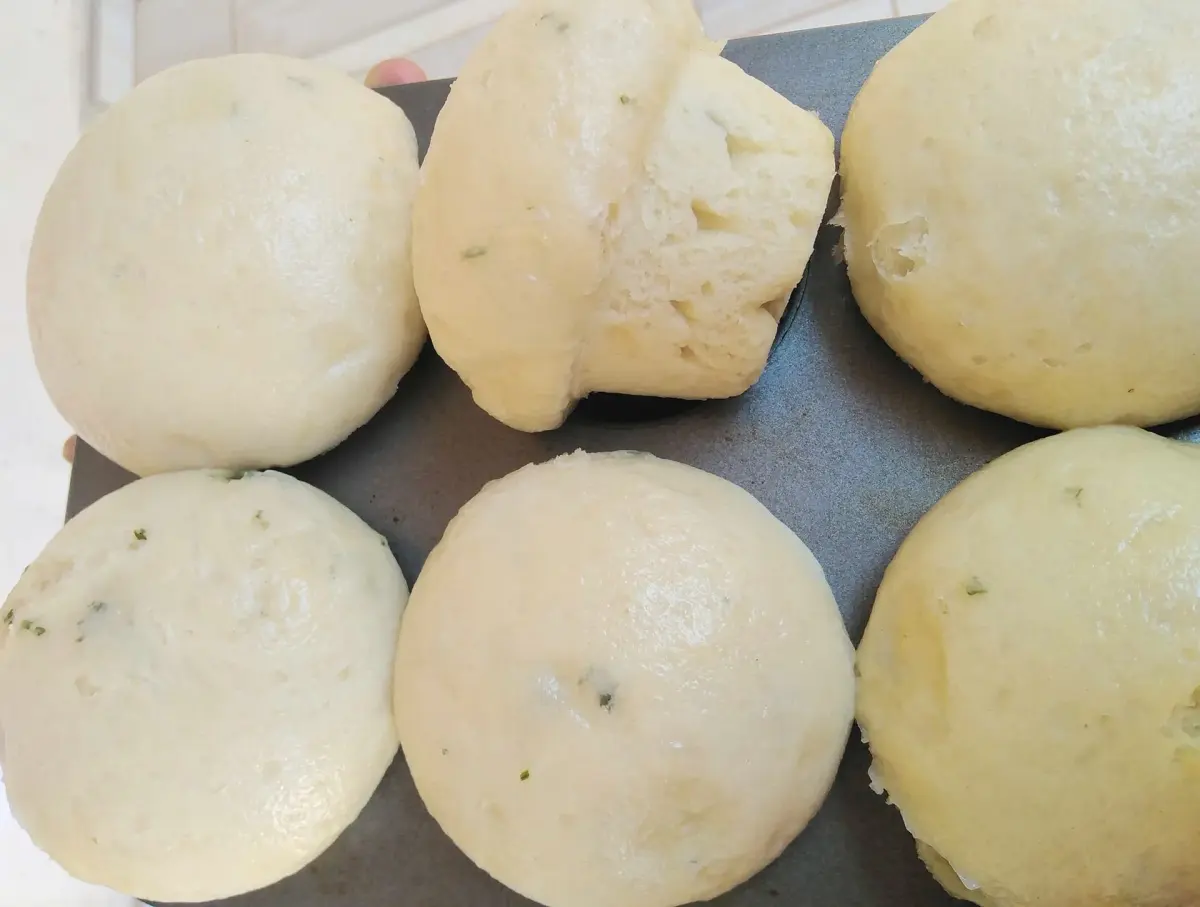
Dombolo (Dumplings or Steamed Bread)
Boeber (Cape Malay Sweet Milk Drink)