
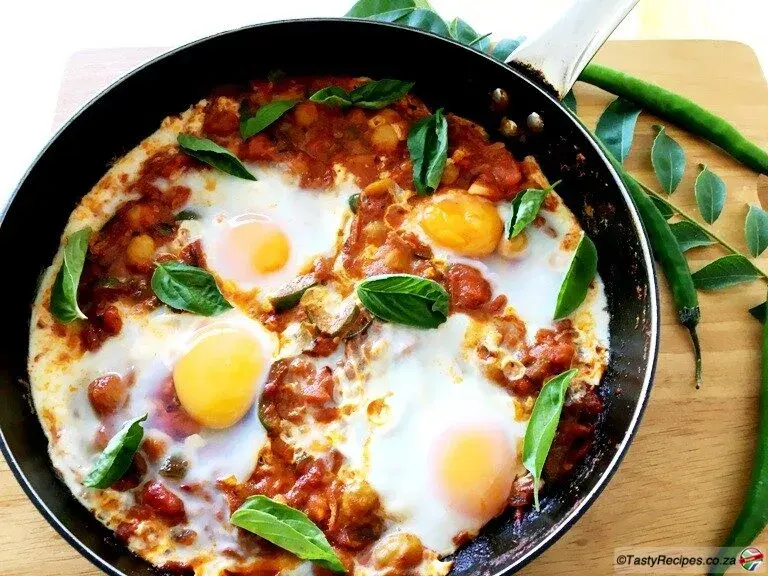
Shakshuka
Abuja, Nigeria · Voir toutes les recettes
Aperçu
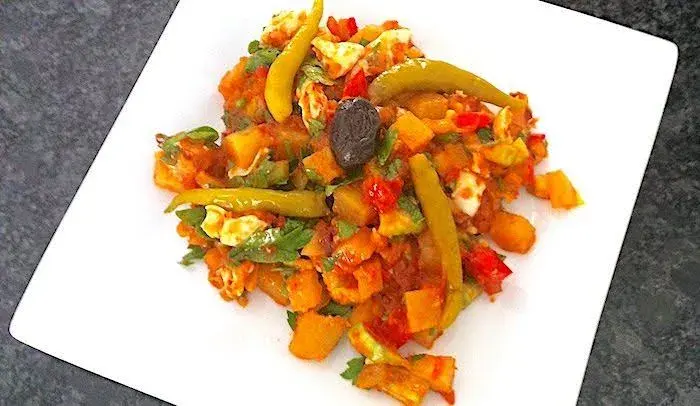
Eggs poached in a spiced tomato and pepper sauce, cooked and served in the same pan. It is North African, most strongly associated with Tunisia, and no single country is claimed. The origin is genuinely contested rather than merely unclear. Tunisia has the strongest claim and the name is Tunisian Arabic, shakshuka means something like a mixture or a jumble. Some food historians argue for Yemen instead. What is not in dispute is the route it took afterwards: North African Jewish immigrants, particularly Tunisians, brought it to Israel in the mid-twentieth century, where it became a national breakfast staple and from where it spread internationally. Most people outside the region encountered it through Israeli restaurants rather than Tunisian ones. The technique that matters is making wells for the eggs. Cracking eggs onto the surface of a sauce gives you eggs sitting on top; digging a shallow well with a spoon and easing each egg into it means the whites are supported by the sauce on all sides and set evenly while the yolk stays soft. Two related pages exist here. Ojja is the Tunisian version built on harissa and caraway; taktouka and matbucha are the eggless cooked pepper salads that shakshuka resembles. Cook the eggs through if you are avoiding runny yolks.
Note de Patrimoine AFN
Shakshuka is a North African dish of eggs poached in a spiced tomato and pepper sauce, most strongly associated with Tunisia, where the name means a mixture. It was carried to Israel by North African Jewish immigrants in the twentieth century and became a staple there before spreading internationally.
Ingrédients
Les mentions alimentaires sont fournies par les contributeurs à titre indicatif. Elles ne sont pas vérifiées par AFN et dépendent des produits que vous achetez. En cas d’allergie grave, vérifiez vous-même chaque ingrédient. Cuisine, allergies et votre propre jugement
Préparation
- 1
Warm a large cast-iron or sauté pan, about 12 inches, over medium heat.
- 2
Pour in the oil. As soon as it sizzles, put in the diced onion and garlic and cook for 1 to 2 minutes until fragrant.
- 3
Tip in the bell peppers and cook for about 10 minutes, turning occasionally, until the onion and pepper have softened and taken a little colour. Add another tablespoon or two of oil if needed, and do not let them burn.
- 4
Put in the whole tomatoes with all their juice, crushing them with a wooden spoon to the texture you want, followed by the cumin, paprika and chilli powder.
- 5
Bring to the boil, lower the heat and cook, turning, for 2 to 3 minutes. Season with salt and pepper.
- 6
Crack each egg into a small ramekin first, then dig a shallow well in the sauce with a spoon and ease the egg into it. Repeat for all the eggs. The wells are what let the whites set evenly instead of spreading across the surface.
- 7
Cook gently over medium heat for about 10 minutes, or longer, until the eggs are set to your liking. Cook them through if you are avoiding runny yolks.
- 8
Scatter with parsley and coriander and serve from the pan with bread.
Notes de l’Africook
 Notes personnelles de Debbie Obierika
- Dig wells for the eggs. Cracking them onto the surface gives you eggs sitting on the sauce; wells let the whites set evenly with the yolk supported.
- Crack each egg into a ramekin first. It stops shell fragments and lets you place the egg precisely.
- Cook the peppers and onions long enough, the full ten minutes. Undercooked peppers stay sharp and the sauce tastes thin.
- A cast-iron pan holds heat evenly and goes straight to the table, which is how shakshuka is served.
- Runny yolks carry a small salmonella risk. Cook the eggs through for anyone pregnant, very young, elderly or unwell.
- Bread is not optional. There is a lot of sauce and no other way to eat it.
Questions fréquentes
Where does shakshuka come from?
North Africa, and most likely Tunisia, the name is Tunisian Arabic and means something like a mixture or a jumble. Some food historians argue for a Yemeni origin instead, and the question is genuinely unsettled. What is clear is what happened next: North African Jewish immigrants, particularly Tunisians, brought it to Israel in the mid-twentieth century, where it became a national staple and from where most of the world encountered it.
Why make wells for the eggs?
Because eggs cracked onto the surface of a sauce spread outwards and cook into a thin sheet on top. Digging a shallow well with the back of a spoon and easing each egg into it means the white is held in place and supported by hot sauce on all sides, so it sets evenly around a yolk that stays soft. It is a small step and it is the difference between poached eggs in sauce and eggs on sauce.
How is it different from ojja?
Ojja is the Tunisian version and leans harder on harissa, caraway and coriander seed, giving something noticeably hotter and more aromatic; it also often includes merguez sausage. Shakshuka as generally made is milder and built on cumin and paprika. They are close relatives rather than separate dishes, and the boundary between them is not firm. Ojja has its own recipe on this site.
Should the yolks be runny?
Traditionally yes, the yolk breaking into the sauce as you scoop it up with bread is much of the appeal. That does carry a small salmonella risk, so cook the eggs through if you are serving anyone pregnant, very young, elderly or with a weakened immune system. The dish works perfectly well with firm yolks; you simply lose the sauce-enriching effect and gain peace of mind.
Avis
Soyez le premier à noter cette recette
Vous l’avez cuisinée ? Votre note aide la personne suivante à se décider.
Aucun avis sur cette recette pour le moment. Si vous l’avez cuisinée, le vôtre serait le premier.