

Djablani
Aperçu
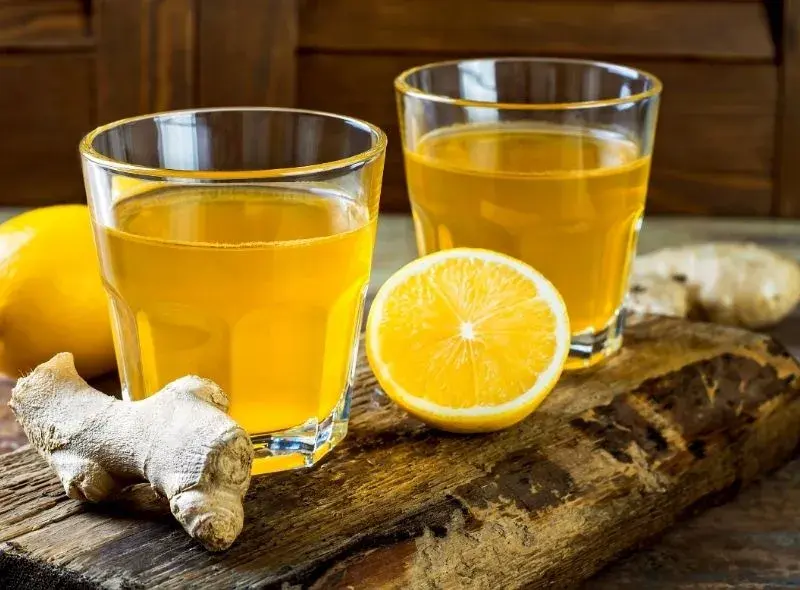
Djablani is a Malian drink of ginger, lemon and baobab, served cold and sharply flavoured. It belongs to the family of fresh homemade drinks sold in bags and bottles across West Africa, alongside bissap made from hibiscus and dakar made from tamarind, prepared in quantity in households and sold by the roadside. The baobab is what places it. The tree grows across the Sahel and is one of the defining plants of the Malian landscape, distinctive in shape, able to survive extreme heat and poor soil, and long lived on a scale that has made it a landmark in its own right. Its fruit gives a pale tart pulp used in drinks and porridges across the region, and its leaves are dried and ground for soup. Ginger carries the rest. West African ginger drinks are made strong, and the heat in a properly made djablani is genuine rather than suggested, which is what the sugar and the lemon are there to balance. It is served cold, often with mint, and it is refreshment in a climate where that word means something specific. Fresh drinks of this kind are a category of their own in West African hospitality: made at home, given to guests, and sold cheaply on the street.
Note de Patrimoine AFN
Djablani is documented as a Malian drink built on baobab fruit pulp, ginger and lemon. The baobab, Adansonia digitata, is native to the African savannah and its fruit, leaves and bark have long been used across the Sahel.
Ingrédients
Les mentions alimentaires sont fournies par les contributeurs à titre indicatif. Elles ne sont pas vérifiées par AFN et dépendent des produits que vous achetez. En cas d’allergie grave, vérifiez vous-même chaque ingrédient. Cuisine, allergies et votre propre jugement
Préparation
- 1
Place the ginger in a blender, cover with 1 1/2 cups of water, and blend until thick and pasty.
- 2
Strain the mixture into a 2 quart pitcher, squeezing the ginger pulp as dry as possible.
- 3
Stir the lemon juice and sugar into the ginger juice until the sugar dissolves.
- 4
Pour in the remaining 7 cups of water and stir to combine.
- 5
Serve cold, garnished with crushed mint leaves.
Notes de l’Africook
 Notes personnelles de Debbie Obierika
- Squeeze the ginger pulp hard when straining. Most of the heat and flavour is held in the fibre, and a gentle strain gives a thin, disappointing drink.
- Leave the ginger unpeeled. The skin carries flavour and the drink is strained anyway, so peeling is wasted work.
- Adjust the sugar to the ginger rather than following the cup measure blindly. Ginger varies enormously in heat, and the sugar exists to balance it.
- Baobab powder needs dissolving in a little water and straining before it goes in, as it carries fibre and husk fragments that will make the drink gritty.
- Make it several hours ahead and chill it properly. It is a cold drink and the flavours settle considerably as it stands.
Questions fréquentes
What is baobab and where do I buy it?
Baobab is the fruit of Adansonia digitata, the African savannah tree, and the dried pulp is sold as a pale powder by African grocers and health food shops. It is tart and faintly citrus, and it is what gives djablani its background acidity beyond the lemon. It is also sold as bouye in West African shops, which is the same thing.
How strong should the ginger be?
Strong. West African ginger drinks are made with real heat, and a third of a pound of ginger to eight and a half cups of water is a genuine quantity, not a misprint. The sugar and lemon exist to balance it. If you want it milder, use less ginger rather than more sugar, which just makes it sweet as well as hot.
How long does djablani keep?
Three to four days refrigerated in a sealed container. It is made fresh and drunk fresh, with no preservatives beyond the acidity of the lemon. Give it a stir before pouring, since the baobab settles. It also freezes well in portions if you make a large batch.
What other West African drinks is this similar to?
It sits in the same category as bissap, made from dried hibiscus, and the tamarind drinks known variously as dakar or tamarin. All are homemade fresh drinks sold in bags or bottles by the roadside across West Africa, made in quantity, sweetened, and served very cold. Ginger appears in several of them.
Avis
2 avis
Made this yesterday because the heat here in Dallas was too much. I got dried baobab powder from the African market in Garland since fresh pulp is hard to find here, and it worked so well. Just make sure you strain the unpeeled ginger properly with fine mesh or cheesecloth so the grit doesn't settle at the bottom. The 1 cup of sugar was just right to balance that heavy ginger burn o. Very refreshing.
Squeezing that blended ginger pulp through the strainer takes real muscle sha, you have to press out every single drop! Found the baobab pulp at a shop in Scarborough. The flavor from the four lemons was so sharp and nice, but 8.5 cups of water made it slightly too dilute for me. I will drop the water to 6 or 7 cups next time so the ginger bite stays strong.