
Sardine Meatball Tagine
Aperçu
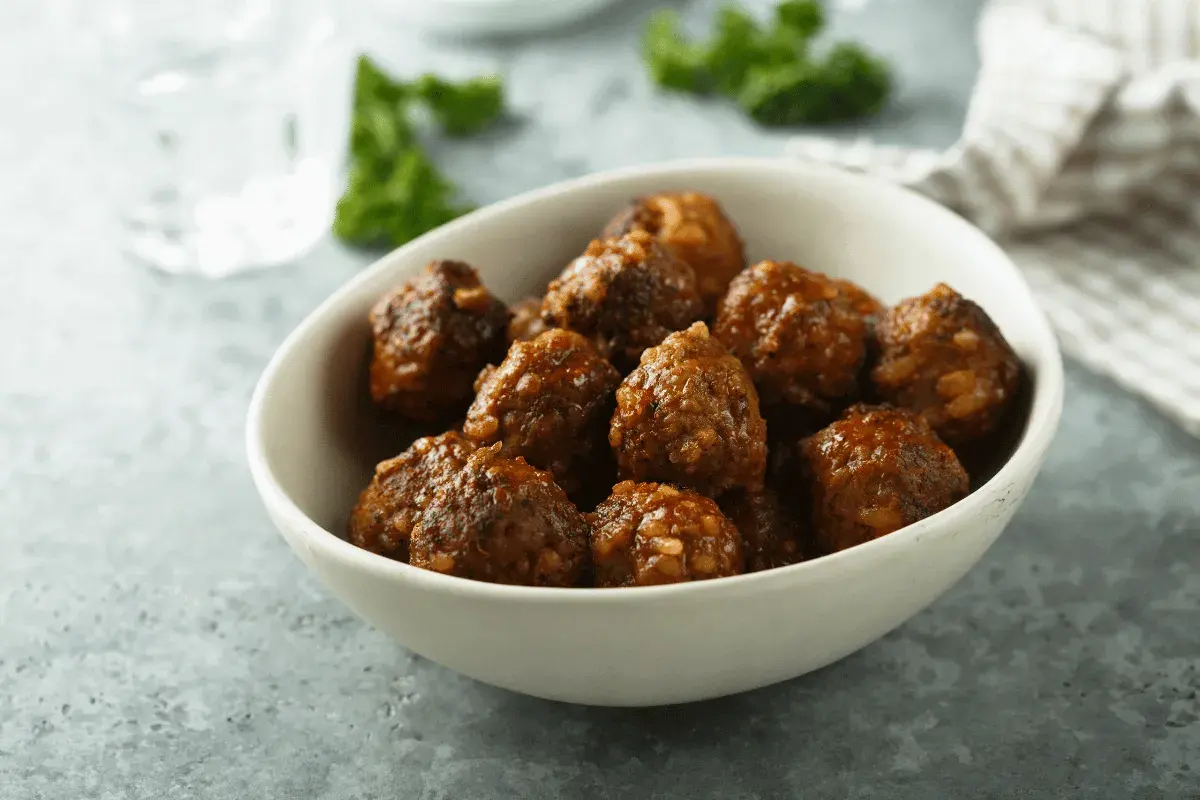
Tinned sardines puréed with egg and breadcrumbs, rolled into balls and cooked in a spiced tomato sauce. It is Moroccan, and the source is right that it is the forerunner of the sardine meatball sandwiches sold widely on the coast. Sardines matter enormously to Morocco. The country is the world's largest exporter of tinned sardines, the fishery is a major part of the coastal economy, and sardines are cheap and abundant enough to be genuinely everyday food rather than a delicacy. That economic fact is why a sardine kefta exists at all, ground sardine is now sold ready-prepared at Moroccan fish markets, which the source notes and which tells you how ordinary the dish is. The technique is standard kefta construction applied to fish. Puréeing rather than flaking is what makes the mixture hold together, since sardine flesh is soft and would fall apart otherwise, and the breadcrumbs and egg do the binding a meat kefta would not need. The spicing, paprika, turmeric, ginger, coriander and cumin, is the Moroccan tagine vocabulary rather than anything specific to fish. The source's discussion of sardine oil in paint and linoleum manufacture is accurate and not especially appetising; it has not been carried across. Nor have its omega-3 claims.
Note de Patrimoine AFN
Sardine meatball tagine is a Moroccan dish of puréed sardines shaped into balls and cooked in a spiced tomato sauce. Morocco is the world's largest exporter of tinned sardines, and ground sardine kefta is sold ready-prepared at Moroccan fish markets.
Ingrédients
Les mentions alimentaires sont fournies par les contributeurs à titre indicatif. Elles ne sont pas vérifiées par AFN et dépendent des produits que vous achetez. En cas d’allergie grave, vérifiez vous-même chaque ingrédient. Cuisine, allergies et votre propre jugement
Préparation
- 1
Put the drained sardines in a food processor and purée until smooth. Puréeing rather than flaking is what holds the balls together, sardine flesh is soft and would fall apart otherwise.
- 2
Add the eggs, breadcrumbs, paprika, turmeric, ginger, garlic powder, onion powder, salt and black pepper.
- 3
Pulse briefly until well combined.
- 4
Shape the mixture into small balls.
- 5
Warm oil in a large skillet over medium heat.
- 6
Cook the onion and garlic, turning them, until fragrant, about 5 minutes.
- 7
Mix in the tomatoes, coriander and cumin.
- 8
Lower the heat, cover, and let the sauce cook until the flavours have come together, about 15 minutes.
- 9
Slide the meatballs into the sauce and cook until heated through, about 5 minutes.
Notes de l’Africook
- Purée the sardines properly. Flaked sardine will not bind and the balls disintegrate in the sauce.
- Chill the shaped balls for twenty minutes if you have time. They hold together far better going into hot sauce.
- Do not stir once the balls are in the sauce. Spoon sauce over them instead, they are fragile.
- Two tablespoons of ground coriander is a lot. It is correct for a Moroccan tagine but taste as you go.
- Tinned sardines in oil have more flavour than those in brine or tomato sauce.
- It is served as an appetizer or in a sandwich, which is how the coastal version is eaten.
Questions fréquentes
Why purée the sardines?
Because sardine flesh is soft and oily, and flaked sardine simply will not bind into a ball that survives being cooked in sauce. Puréeing breaks it down into a paste that the egg and breadcrumbs can hold together. It is the same reasoning behind fish cakes and quenelles generally. Pulsing rather than running the processor at the end keeps the seasonings distributed without turning the whole thing to a slurry.
Why are sardines so important in Morocco?
Economics as much as taste. Morocco is the world's largest exporter of tinned sardines, the fishery is a major part of the coastal economy, and sardines are cheap and abundant enough to be genuinely everyday food rather than a delicacy. That is why a sardine kefta exists at all, and why ground sardine is now sold ready-prepared at Moroccan fish markets, saving cooks the work.
Can I use fresh sardines?
Yes, and in Morocco you generally would. Fillet them, remove the backbone, and purée the flesh the same way, you will need roughly 200 g of fresh fillets to replace a small tin. Fresh sardine gives a cleaner, less salty result and a firmer texture. Tinned is what makes this a store-cupboard dish, which is presumably why the source uses it.
How is it eaten?
As an appetizer straight from the tagine with bread, or stuffed into a roll as a sandwich, the source notes that sardine meatball sandwiches appear regularly on Moroccan food tours, and they are common street food along the coast. Either way bread is involved, since the sauce is generous. Served as part of a meal it would sit among several small dishes rather than alone.
Avis
Soyez le premier à noter cette recette
Vous l’avez cuisinée ? Votre note aide la personne suivante à se décider.
Aucun avis sur cette recette pour le moment. Si vous l’avez cuisinée, le vôtre serait le premier.
Vous Aimerez Aussi
Voir toutes les recettes Morocco →
Moroccan Chicken Rfissa
Tanjia Marrakchia
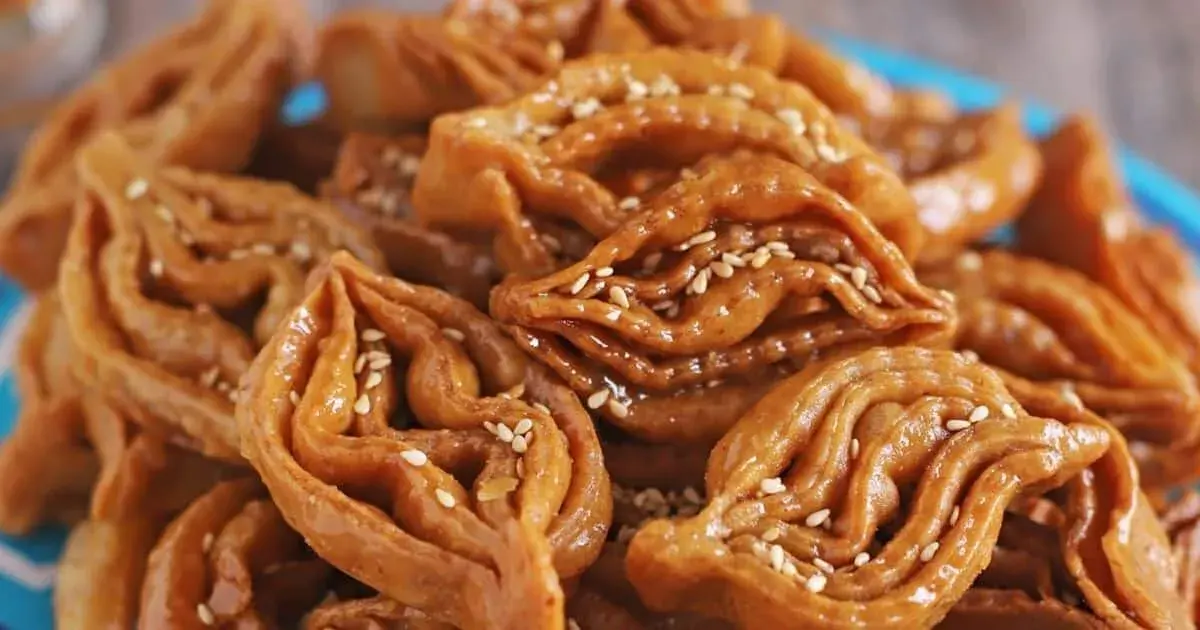
Chebakia (Moroccan Sesame Cookies)