

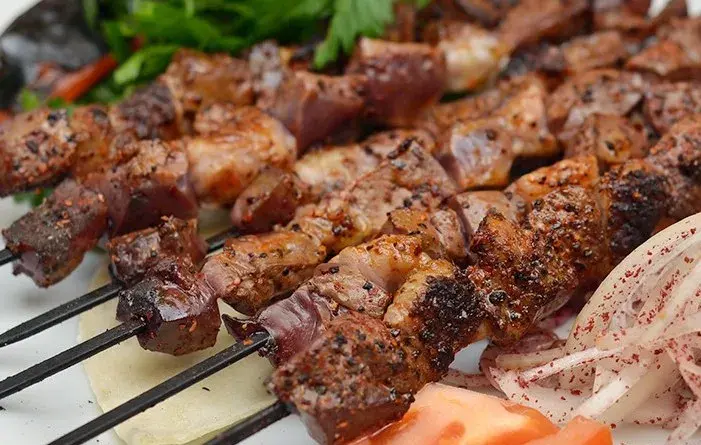
Liver Suya (Liver Kebab)
Aperçu
Suya is not restricted to any one cut, and liver is among the most common of the alternatives. Kidney and tripe appear too, and the offal versions are cheaper, cook faster and carry the yaji spice differently from beef, which is a large part of why they have their own following rather than being a fallback. Liver takes spice better than muscle meat does. It is soft, mineral and slightly sweet, and it absorbs the groundnut and pepper coating almost immediately rather than needing time to marinate. It also cooks in minutes, which suits the trade: a suya vendor working a roadside grill at night needs something that goes from raw to served while the customer waits. The name changes across West Africa without the thing changing much. Suya in Nigeria, soya in Cameroon, chinchinga or sitsinga in Ghana, and brochettes in the Francophone countries. The spice blend, yaji, is what holds it together, and it has no fixed recipe: the composition varies by vendor and by region, and each is guarded. What is consistent is ground groundnut, chilli, ginger and garlic, and a heat level that varies from cook to cook while the intensity of flavour does not.
Note de Patrimoine AFN
Suya belongs to the Hausa grilled meat tradition of Northern Nigeria and is eaten across West Africa under names including soya in Cameroon and chinchinga in Ghana. Offal cuts including liver, kidney and tripe are documented as standard within the tradition rather than as substitutes for muscle meat.
Ingrédients
Les mentions alimentaires sont fournies par les contributeurs à titre indicatif. Elles ne sont pas vérifiées par AFN et dépendent des produits que vous achetez. En cas d’allergie grave, vérifiez vous-même chaque ingrédient. Cuisine, allergies et votre propre jugement
Préparation
- 1
If using wooden skewers, soak them fully submerged in water for at least 20 minutes so they do not burn.
- 2
Heat the oven to 230°C. Lightly oil a baking sheet or roasting pan so the suya does not stick.
- 3
In a medium bowl, mix the powdered peanut, garlic powder, onion powder, smoked paprika, white pepper, cayenne pepper and bouillon. Spread on a plate and set aside.
- 4
Slice the liver diagonally into medium thin pieces.
- 5
Thread the liver onto the skewers, about 4 pieces per skewer, covering the skewer fully.
- 6
Rub the spice mixture onto both sides of each skewer. Line a baking sheet with foil and place the skewers on it.
- 7
Drizzle with oil and bake for about 12 to 15 minutes.
- 8
For the last 3 minutes, switch to the grill setting to crisp and brown the outside.
- 9
Serve warm.
Notes de l’Africook
- Liver overcooks fast and turns grainy and dry. Twelve to fifteen minutes is the working range and it is better slightly under than over.
- Slice on the diagonal and keep the pieces medium thin. Thick pieces stay raw inside while the coating burns.
- Rinse the liver in cold water and pat it dry before slicing. This removes surface blood and takes the metallic edge off.
- Soak wooden skewers a full 20 minutes. Dry skewers catch and break under a hot grill.
- The final few minutes under the grill are what give the char. Charcoal is better still if you have it, and takes about 8 to 10 minutes total.
Questions fréquentes
Does liver suya taste different from beef suya?
Yes, noticeably. Liver is softer, more mineral and slightly sweet, where beef suya is chewier and more neutral against the spice. Liver also absorbs the yaji almost immediately rather than needing marinating time, so the spice reads more strongly. It cooks in a fraction of the time, which is part of its appeal to vendors.
How do I stop liver going tough?
Do not overcook it. Liver goes from tender to grainy in a couple of minutes, so treat twelve to fifteen minutes as a maximum and check early. Slicing it medium thin rather than thick helps it cook evenly. Soaking it briefly in milk before cooking is a common step that softens both texture and flavour.
What is yaji and can I buy it ready made?
Yaji is the Nigerian suya spice blend, built on ground roasted groundnuts with chilli, ginger, garlic and paprika. It is sold ready made at Nigerian grocers and online, and most cooks buy it rather than blending their own. There is no single correct formula, since vendors guard their own arrangements.
Can I cook liver suya on a grill instead of in the oven?
Yes, and charcoal is the better result. Over hot coals it takes around 8 to 10 minutes, turning frequently, and the smoke adds something the oven cannot. A gas grill works at high heat. The oven method here is the reliable indoor version and finishing under the grill gets you part of the way to the char.
Avis
3 avis
Vous Aimerez Aussi
Voir toutes les recettes Nigeria →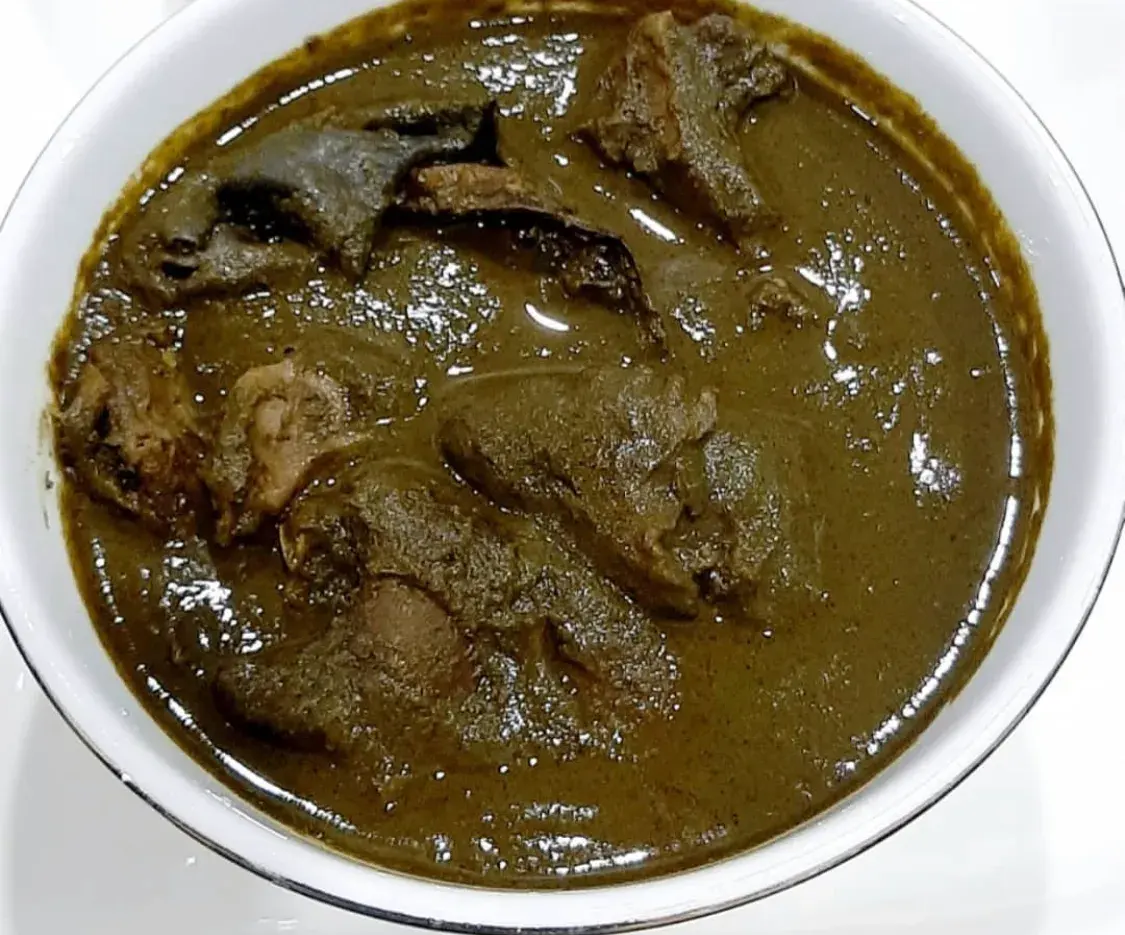
Edo Black Soup
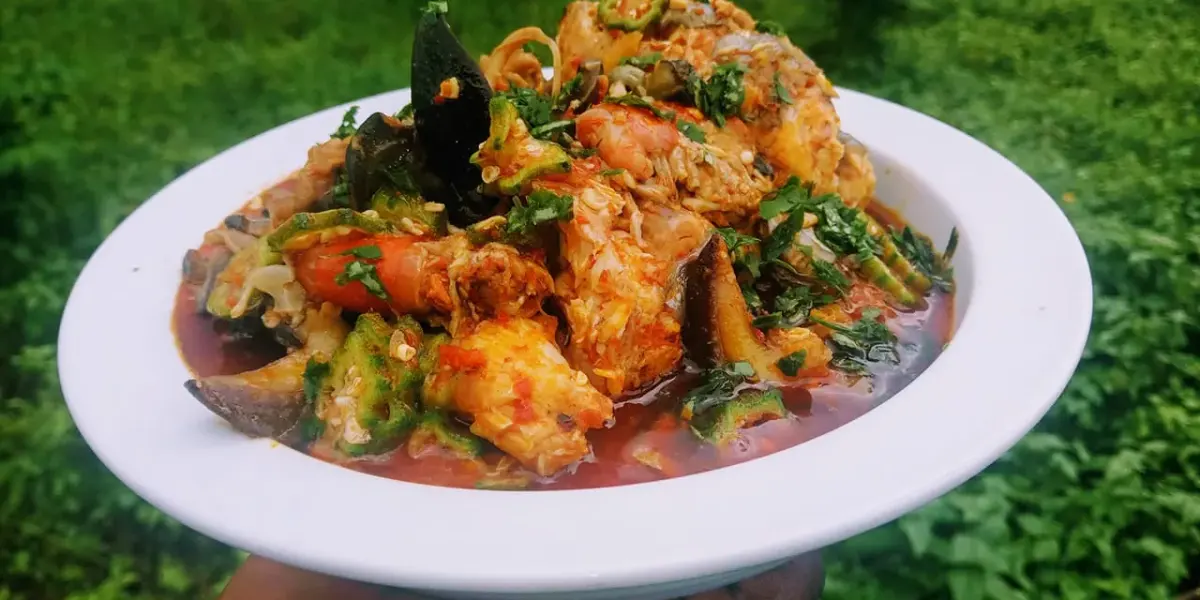
Nigerian Fisherman Soup
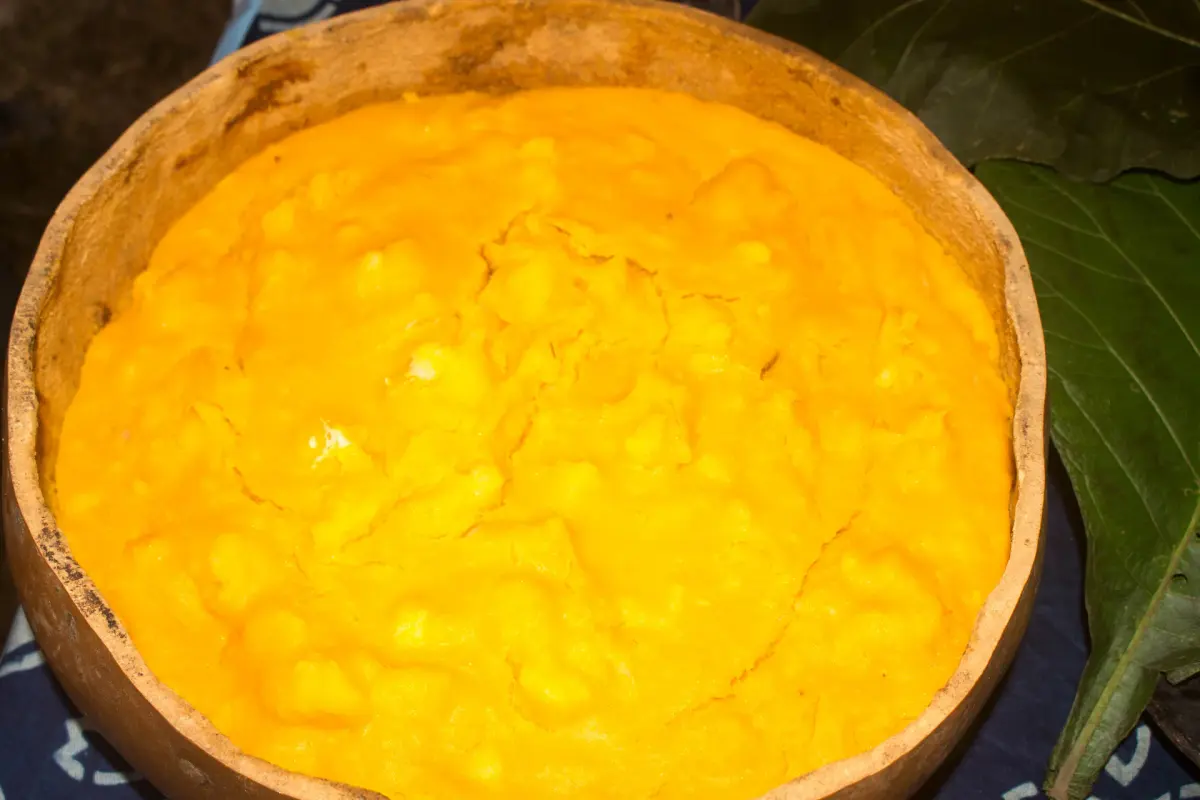
Igbo Yam Porridge
My husband was skeptical about oven suya but this came out so good! I bought the liver from Fiesta on Hillcroft and sliced it diagonally while it was still slightly frozen, made it much easier to cut thin. Soaking the wooden skewers in water for 20 mins saved them from burning at 230 degrees. The chicken bouillon and cayenne kick is standard suya spot taste, e sweet sha o.
chale, liver can go tough real fast if you leave it in that 230C oven even 5 mins too long. i bought fresh beef liver at saraga market here in columbus and sliced it super thin like you said. in ghana we mostly use beef loin for kyinkyinga but this liver suya rub with the white pepper and peanut powder is actually very nice oo. just watch your cooking time.
got fresh halal beef liver from my local butcher in small heath to make this on the weekend. flavour from the smoked paprika and white pepper mix was spot on, but 35 minutes total cook time made the liver way too dry and rubbery. liver cooks much faster than regular beef abeg! next time I will take it out after 15 mins max.