

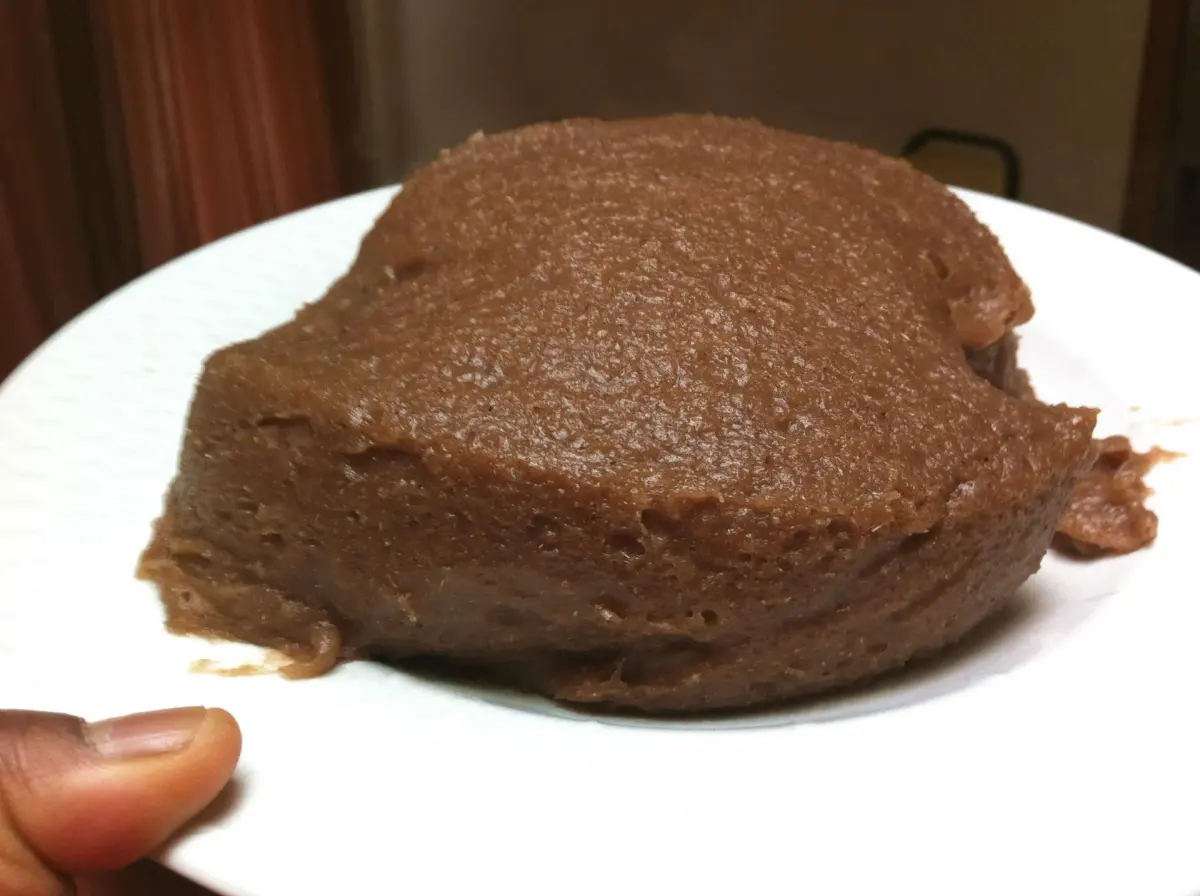
Amala
Aperçu
Amala is the swallow of the Yoruba southwest, and it is the darkest thing on a Nigerian table. Yam is peeled, cut, dried and milled into a flour called elubo, and the drying turns the white tuber brown. In boiling water that brown becomes near black, which is the colour amala is known by and which surprises people who expect a starch to be pale. Its home is Oyo State, and Ibadan in particular. The pairing of amala with ewedu, the jute leaf soup, is treated in Ibadan as something close to a civic institution, and the same seriousness attaches to it in Lagos, where you will not find a buka without it on the menu. Yoruba speakers make the comparison directly: amala and ewedu stand to an Ibadan person as akpu and ofe onugbu stand to an Igbo one. Three flours make three amala. Elubo isu, from yam, is the standard and gives the dark version. Lafun, from cassava, gives a white amala and is a different dish in practice. Elubo ogede, from unripe plantain, is lighter in colour and lower in starch. The technique is unforgiving in one specific way: the flour must go into water that has been taken off the heat, or it lumps, and lumps in amala are the fastest way to ruin it.
Note de Patrimoine AFN
Amala is documented as a Yoruba preparation of southwestern Nigeria, particularly associated with Oyo State, and is made from elubo, the flour of dried yam. Dioscorea cayenensis, the West African yam used for it, is native to the region and among the crops cultivated in the West African yam belt for several thousand years.
Ingrédients
Les mentions alimentaires sont fournies par les contributeurs à titre indicatif. Elles ne sont pas vérifiées par AFN et dépendent des produits que vous achetez. En cas d’allergie grave, vérifiez vous-même chaque ingrédient. Cuisine, allergies et votre propre jugement
Préparation
- 1
Pour the quantity of water you want into a pot and bring it to the boil.
- 2
Once the water boils, turn off the heat and gradually add the flour.
- 3
Do not add the flour while the pot is still over the heat, or it will form lumps.
- 4
Turn the flour with a wooden stick for a while, add a little water, and return the pot to low heat for about 5 minutes to cook through.
- 5
Test the texture with a clean finger while it is still over the heat. If it is too hard, add a little hot water.
- 6
Stir well until it is completely smooth.
- 7
Wrap and keep warm until serving.
Notes de l’Africook
 Notes personnelles de Beatrice Ige
- Take the pot off the heat before the flour goes in. This is the single rule that decides whether amala is smooth or lumpy, and it is the opposite of how most swallows are made.
- The pulling stage, working the dough until it turns smooth and elastic, is the hard part and it is physical. Nothing else produces the texture.
- Add flour gradually and judge by feel rather than by measure. Elubo absorbs differently depending on how finely it is milled and how old it is.
- Wrap portions while hot to keep them warm and pliable. Amala sets firm as it cools and cannot easily be brought back.
- Ewedu is the classic partner, usually alongside gbegiri and a pepper stew. Egusi, okra, efo riro and ogbono all work.
Questions fréquentes
Why is amala dark brown or black?
Because of the flour, not because of anything added. Yam is peeled, sliced and dried before milling, and the drying oxidises the flesh from white to brown. That colour deepens further in boiling water, which is why the finished amala is so much darker than the tuber it came from. White amala, made from cassava flour, is a different flour rather than a different technique.
What is the difference between amala, lafun and elubo ogede?
The flour. Elubo isu, from dried yam, gives the standard dark amala. Lafun, from cassava, gives white amala and is common among the Ijebu. Elubo ogede, from dried unripe plantain, is lighter in colour and lower in starch, which is why it is often chosen by people managing their carbohydrate intake. All three are prepared the same way.
How do I stop amala from going lumpy?
Turn the heat off before the flour goes in. This is what separates amala from most other swallows, where the flour goes into an actively boiling pot. Add the flour gradually to the hot but still water, work it with a wooden stick until smooth, then return the pot to a low heat for a few minutes to finish cooking.
What soups go with amala?
Ewedu, the jute leaf soup, is the classic and is usually served with gbegiri, the bean soup, and a pepper stew alongside, a combination Yoruba speakers call abula. Egusi, okra, ogbono and efo riro all work. The amala itself is plain, so the soup carries the meal.
Avis
2 avis
Vous Aimerez Aussi
Voir toutes les recettes Nigeria →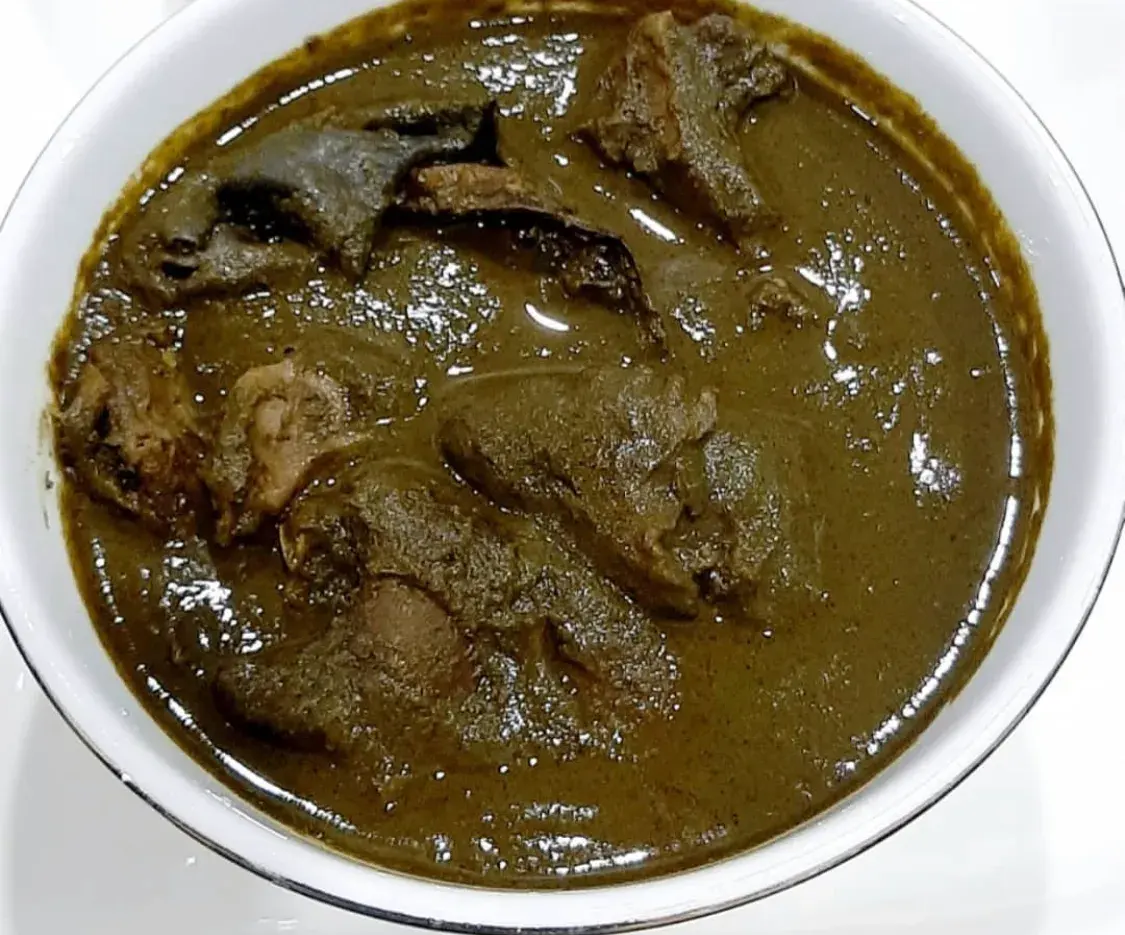
Edo Black Soup
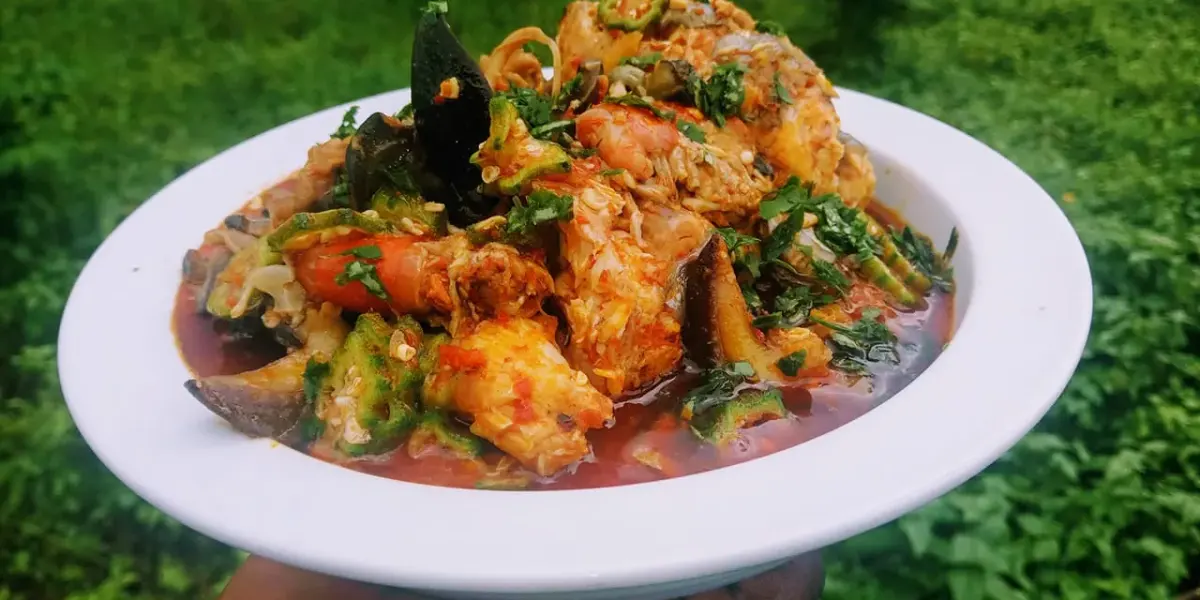
Nigerian Fisherman Soup
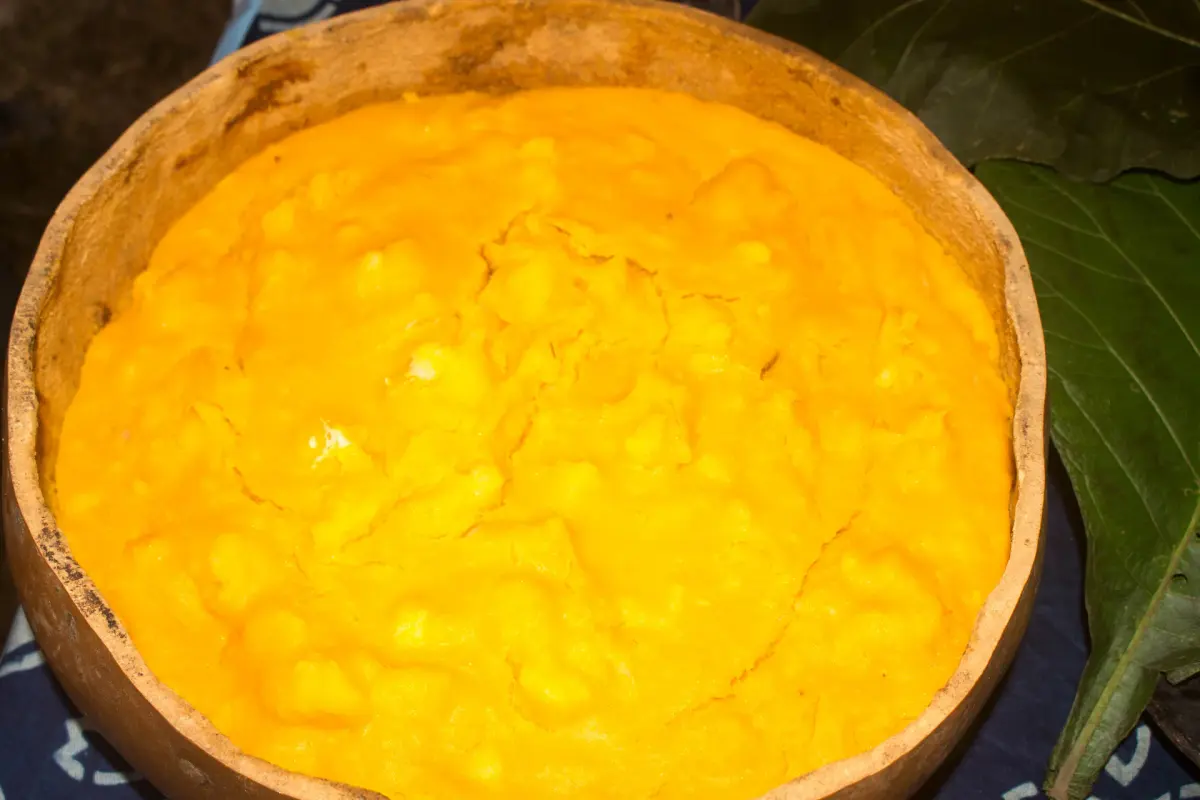
Igbo Yam Porridge
Herh, finding authentic elubo here in Columbus is work paa, had to get yam flour from Saraga market. In Ghana we make kokonte which is quite similar, but taking the pot completely off the burner before adding flour is key chale, otherwise it lumps instantly oo. Only giving 4 stars because 5 minutes on low heat is too short for me, needs at least 10 mins so the raw flour taste leaves it completely.
bought the elubo at the West African shop near the robot in Maitland. measured out exactly 500ml water to boil first. removing the pot from the stove before mixing in the flour saved me from lumps, stirred it hard with a wooden stick. texture test with a wet finger worked lekker, left it on low heat for 5 min just now to steam. good consistency