

Edikang Ikong (Vegetable Soup)
Aperçu
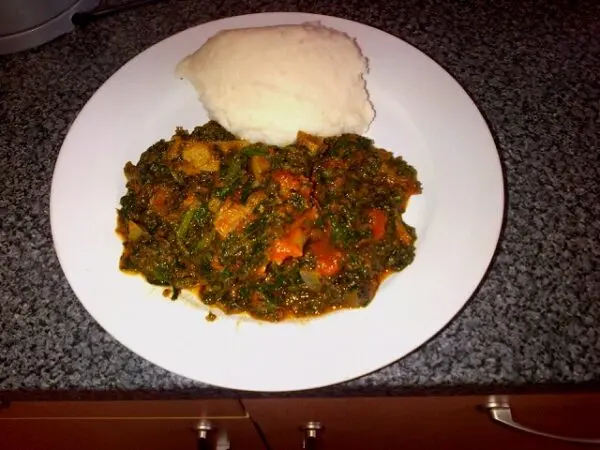
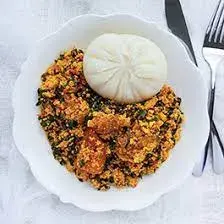
Edikang ikong, also written edikaikong or ekaikong, is the vegetable soup of the Efik and Ibibio people of southeastern Nigeria, and it is built on a deliberately generous quantity of two leaves. Ugu, the fluted pumpkin leaf, provides the flavour and the deep green. Waterleaf provides the moisture and the body, wilting down to release enough liquid that the soup largely cooks in its own juices. The proportion matters: this is a soup where the vegetables are the substance rather than a garnish stirred through at the end, and a properly made pot is dense with leaf. Around them sits an assortment that has given the dish its reputation, goat meat, dried fish, stockfish, shrimp or crayfish, periwinkle, palm oil. That density of protein is why it was long known as rich man's food, a soup that announced a household could afford it. It is now eaten across the country and well beyond it. It is the close relative of afang soup, which comes from the same people and follows the same structure. The distinction is entirely in the leaf: afang uses okazi, which is tough and faintly bitter, while edikang ikong uses ugu, which is softer and sweeter. Anyone from the region can tell them apart at a glance. It is served with any of the swallows.
Note de Patrimoine AFN
Edikang ikong is documented as a soup of the Efik and Ibibio peoples of Cross River and Akwa Ibom States, southeastern Nigeria. Its historical reputation as rich man's food reflects the quantity and variety of protein traditionally used alongside the vegetables.
Ingrédients
Les mentions alimentaires sont fournies par les contributeurs à titre indicatif. Elles ne sont pas vérifiées par AFN et dépendent des produits que vous achetez. En cas d’allergie grave, vérifiez vous-même chaque ingrédient. Cuisine, allergies et votre propre jugement
Préparation
- 1
Wash and cut the pumpkin and water leaves into tiny pieces. Put them in separate sieves to drain out all the water as much as possible.
- 2
Cut the Kanda into small pieces. Cook the beef, kanda and the dry fish with the 2 bulbs of diced onions and the bouillon cubes with as little quantity of water as possible.
- 3
When the meat is done, add a generous amount of palm oil, the crayfish and pepper and leave to boil for about 10 minutes. The palm oil serves as the liquid in the Edikang Ikong soup. You should try as much as possible to make it the only liquid in the soup.
- 4
Add the periwinkle and water leaves and leave to cook for another 5 minutes. You may have to cook for less time at this stage so that the water leaves are not over-cooked.
- 5
Now add the pumpkin leaves and salt to taste. Stir the contents of the pot very well and turn off the heat. Cover the pot and leave to stand for about 5 minutes.
Notes de l’Africook
- Add the waterleaf first and let it collapse before the ugu goes in. It releases the liquid the soup cooks in.
- Add almost no water. Between the waterleaf and the palm oil there is usually enough, and edikang ikong should be thick.
- Put the ugu in near the end and cook it briefly. Overcooked ugu goes dull and loses both colour and flavour.
- Be generous with the vegetables. Underfilling the pot is the most common way this soup disappoints, it should be dense with leaf.
- Wash the waterleaf thoroughly. It grows low and holds grit in the stems.
Questions fréquentes
What is the difference between edikang ikong and afang soup?
The leaf. Both come from the Efik and Ibibio of southeastern Nigeria and both are built on waterleaf with assorted meat and fish, but edikang ikong uses ugu, the fluted pumpkin leaf, which is soft and sweet, while afang uses okazi, which is tough and slightly bitter and has to be sliced very finely. Edikang ikong is the greener and milder of the two.
Why is it called rich man's food?
Because of what traditionally goes into it. A full pot carries goat meat, dried fish, stockfish, shrimp or crayfish and periwinkle alongside a large quantity of fresh vegetables, which historically signalled a household that could afford to cook generously. The name has stuck even though the soup is now eaten widely across Nigeria and the diaspora.
Can I use spinach instead of ugu and waterleaf?
You can make a pleasant soup that way, and many people outside Nigeria do, but the result is noticeably different. Ugu has a distinct flavour that spinach does not carry, and waterleaf behaves differently in the pot, it releases a lot of liquid, which is how the soup cooks without added water. If you substitute, use less liquid than the recipe suggests and expect to add some.
Why does my edikang ikong come out watery?
Usually because water was added. The waterleaf provides nearly all the liquid the soup needs as it collapses, so adding more on top leaves it thin. Let the waterleaf wilt down first and judge the liquid at that point rather than at the start.
Avis
5 avis
Vous Aimerez Aussi
Voir toutes les recettes Nigeria →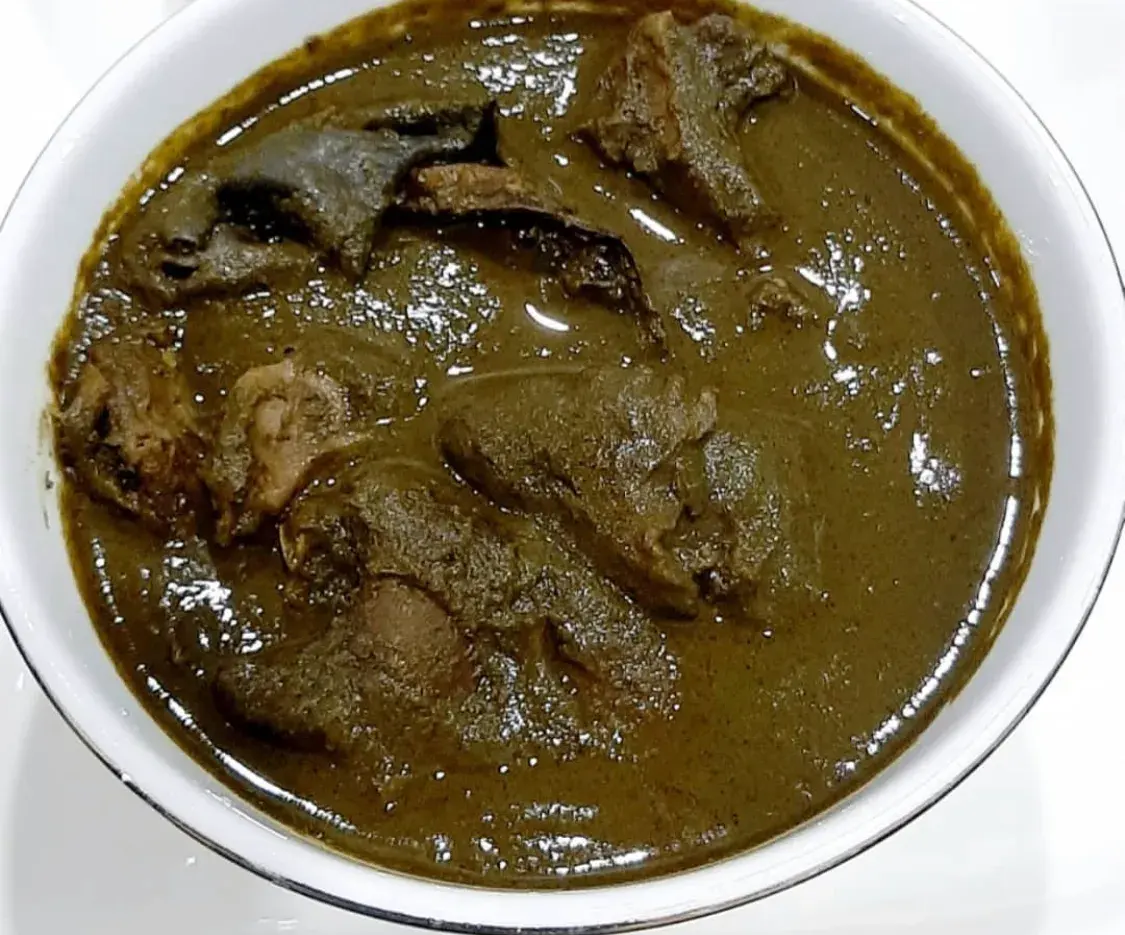
Edo Black Soup
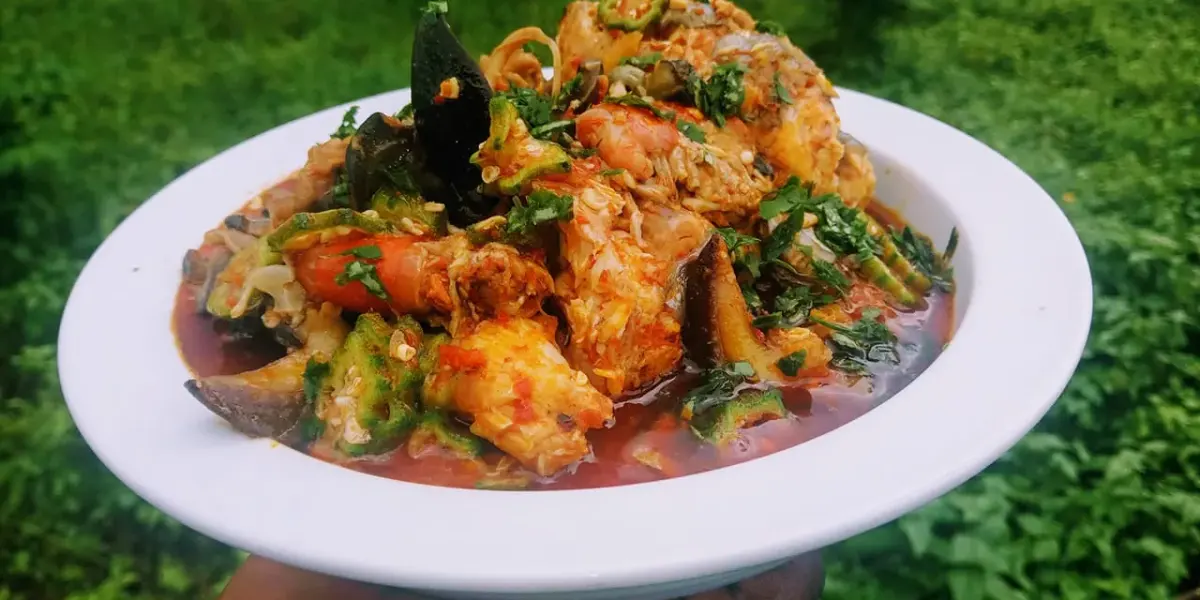
Nigerian Fisherman Soup
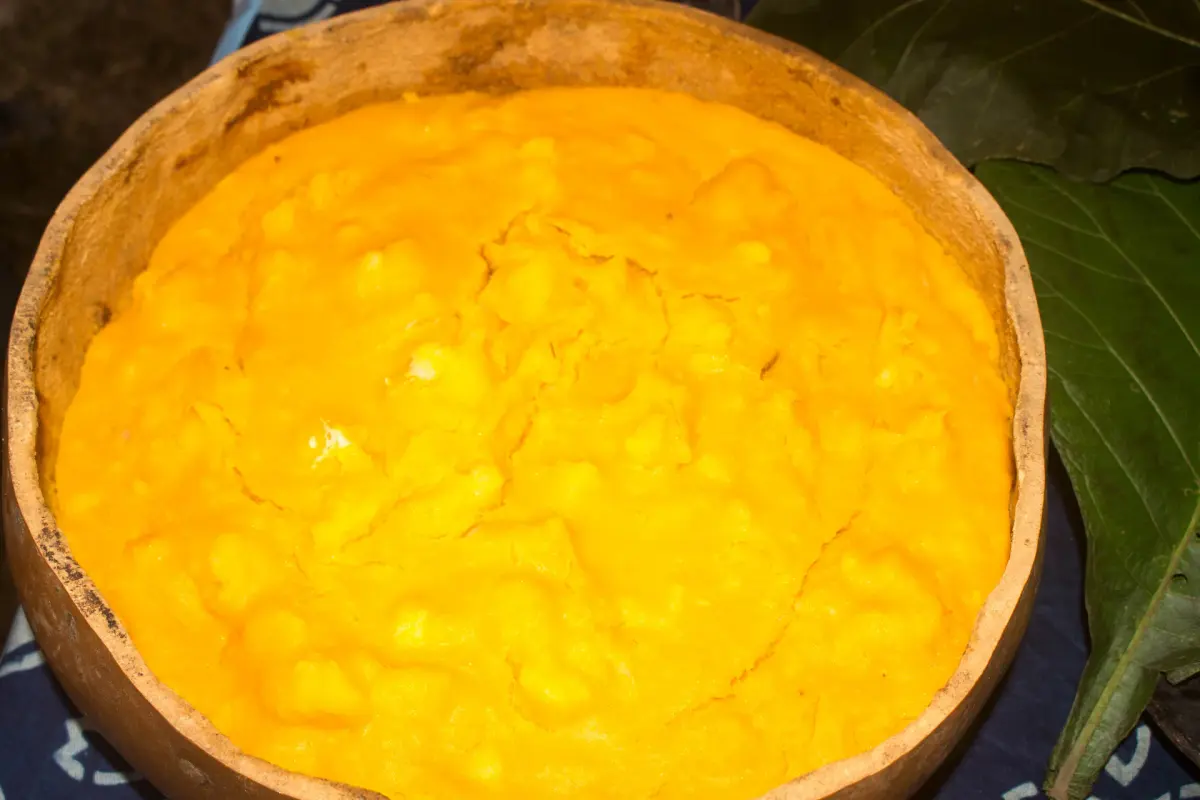
Igbo Yam Porridge
Finding real waterleaf in Dallas is impossible abeg, so I used spinach and collard greens instead. The secret really is draining all the liquid out before adding it to the palm oil like you said. Used unshelled periwinkles from H Mart and it tasted just like back home in Calabar. My husband finished the entire pot with pounded yam!
Herh, this soup uses a lot of palm oil oo! In Takoradi we make kontomire stew with spinach or cocoyam leaves, but adding shaki, dry fish, and periwinkles together gives it a very rich taste. I tried it yesterday with fufu. Only thing is squeezed water leaves took me forever to drain properly, chale. Very nice dish though.
The flavour was lekker with the dried fish and ground crayfish, but 200ml of palm oil was way too heavy for my stomach. Took me about 45 minutes to prep and chop 1kg of greens proper. Next time I'll cut the oil down to 100ml and add a cube of Knorr beef stock to give the broth more body without all that grease.
getting fresh pumpkin leaves here in the UK is a real struggle o. I had to settle for frozen spinach mixed with chopped kale from the shop. Followed your step to turn off the heat immediately after adding the pumpkin leaves so it doesn't overcook and go soggy. It turned out so thick and rich, e sweet sha!
This recipe is very interesting. In Tanzania we cook mchicha with peanut paste or coconut milk, but using palm oil as the main liquid for the greens is new to me. I will make sure to source halal certified beef and shaki from my butcher this weekend to try it out. Asante for the clear instructions on not overcooking the water leaves.