
Tatale
Aperçu
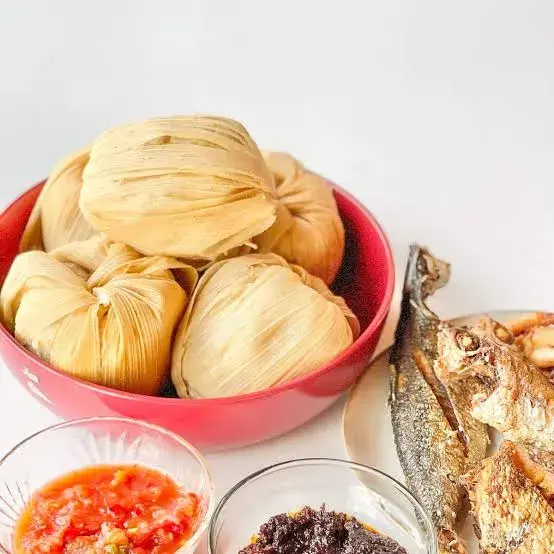
Tatale is the Ghanaian plantain pancake, made from plantains so ripe their skins have blackened, mashed with onion, ginger and pepper, bound with corn flour and fried in spoonfuls. It is street food and a side dish, and it is sometimes called the golden pancake for its colour. It exists because of thrift. Overripe plantain is too soft to fry as slices and too sweet to use as a starch, and tatale is what was worked out to use it. That origin is common to a great many good dishes and it is worth stating rather than glossing over. Its traditional partner is aboboi, the Bambara bean stew, and the two are eaten together as a complete meal across Ghana. It is also served warm as an appetizer with beans in various forms. It is eaten in Nigeria as well. The source claims a link between the dish and Tatale, a district in northern Ghana. That district exists, but the connection to the dish is not something the record supports, and it is flagged rather than repeated as fact.
Note de Patrimoine AFN
Tatale is a Ghanaian pancake made from overripe plantain, conventionally served with aboboi, the Bambara bean stew. It is also eaten in Nigeria.
Ingrédients
Les mentions alimentaires sont fournies par les contributeurs à titre indicatif. Elles ne sont pas vérifiées par AFN et dépendent des produits que vous achetez. En cas d’allergie grave, vérifiez vous-même chaque ingrédient. Cuisine, allergies et votre propre jugement
Préparation
- 1
Mash the plantains to a soft consistency with a masher or hand mixer.
- 2
Cut the pepper and onions into very small pieces.
- 3
Add the pepper and onions to the mix along with a little ginger and salt to taste.
- 4
Add about 3 cups of maize flour and mix well into a bound texture.
- 5
Let the mixture stand for about 30 minutes.
- 6
Fill a pot with peanut oil to a depth of about 5cm.
- 7
When the oil is hot, use a large spoon to make round scoops from the mixture and fry them on both sides until golden brown.
- 8
Drain on kitchen paper before serving as a snack or a side dish.
Notes de l’Africook
- Use plantains that are genuinely black. Yellow plantain is not sweet enough or soft enough, and tatale exists specifically to use fruit that has gone past frying.
- Let the mixture rest the full 30 minutes. It firms up as the flour hydrates and is much easier to handle.
- Add the flour gradually. Plantains vary in wetness and the mixture should hold its shape on a spoon rather than run off it.
- Chop the onion and pepper very finely. Large pieces make the pancakes break apart in the oil.
- Peanut oil is what the recipe specifies and is common in Ghanaian frying, which means it carries a peanut allergen. Any neutral oil works instead.
- Aboboi, the Bambara bean stew, is the traditional partner and the two together make a full meal.
Questions fréquentes
What is tatale served with?
Aboboi, the Ghanaian Bambara bean stew, is the traditional pairing, and the two together are eaten as a complete meal. It is also served warm as an appetizer with beans cooked, fried or stewed. On its own it works as a street snack, which is how it is most often sold.
How ripe should the plantains be?
Very. The skins should be turning black, well past the point where you would fry them in slices. The whole dish exists to use plantain that has gone too soft and too sweet for anything else, so under-ripe fruit gives a bland, starchy pancake that misses the point.
What flour should I use?
Maize flour is what the recipe calls for and is traditional. Any flour will bind the mixture, and the source allows substitution. What matters is adding it gradually until the mixture holds together, since how much you need depends entirely on how wet the plantains are.
Is tatale sweet or savoury?
Both, and that is the appeal. The overripe plantain makes it distinctly sweet, while the onion, ginger, pepper and salt pull it firmly savoury. The source describes it as a dessert in one place and a snack in another, which reflects that ambiguity rather than any confusion.
Avis
Soyez le premier à noter cette recette
Vous l’avez cuisinée ? Votre note aide la personne suivante à se décider.
Aucun avis sur cette recette pour le moment. Si vous l’avez cuisinée, le vôtre serait le premier.
Vous Aimerez Aussi
Voir toutes les recettes Ghana →
Easy and Simple Way to Make Banku
Garden Egg Stew (Earthenware Bowl Method)
Kontomire Stew