

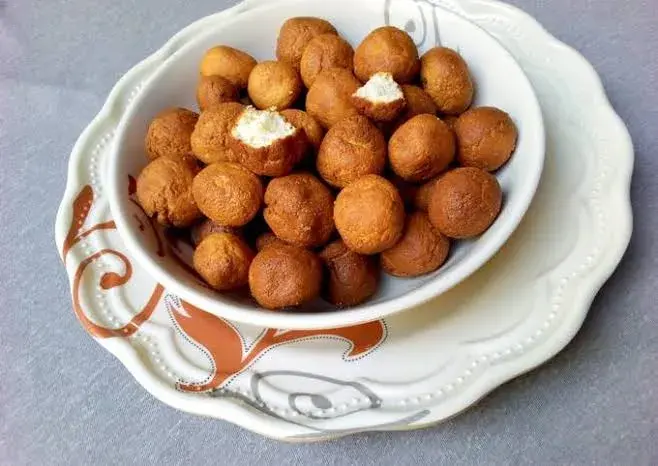
Gullisuwa
Aperçu
Gullisuwa is a Hausa fried pastry from Northern Nigeria, made from wheat flour worked with ground roasted peanuts and fried until crisp. The groundnuts are what distinguish it. They give the pastry a toasted, faintly sweet base that a plain flour dough does not have, and groundnuts are one of the defining crops of the northern Nigerian savannah. It belongs to celebration rather than to the everyday. Gullisuwa appears at weddings, at festive occasions and as street food, made in quantity because it keeps well and travels well, and it is offered to guests as part of the spread rather than served as a course. That is the usual position of a fried snack in Hausa hospitality: present, plentiful and not the point of the meal. Its exact origin is not documented. What can be said is that it belongs to the Hausa, that it has been made for generations, and that Northern Nigeria's long trade and cultural connection with the Sahara and the Arab world is visible in a good deal of its sweet and fried food. Beyond that, the specific lineage of gullisuwa is not recorded, and the honest position is to say so rather than to construct one.
Note de Patrimoine AFN
Gullisuwa is documented as a Hausa snack of Northern Nigeria, prepared from wheat flour and ground groundnuts and fried. Its earliest documented date and specific origin are uncertain.
Ingrédients
Les mentions alimentaires sont fournies par les contributeurs à titre indicatif. Elles ne sont pas vérifiées par AFN et dépendent des produits que vous achetez. En cas d’allergie grave, vérifiez vous-même chaque ingrédient. Cuisine, allergies et votre propre jugement
Préparation
- 1
Combine the wheat flour, ground peanuts, baking powder, salt and sugar if using, in a mixing bowl.
- 2
Gradually add water to the dry ingredients and mix until a firm dough forms. The dough should be pliable and not too sticky. Adjust the water as needed.
- 3
Divide the dough into small portions and roll them into thin circles or squares, about 3mm thick.
- 4
Heat the vegetable oil in a deep pan or fryer to about 175°C.
- 5
Carefully slide the rolled dough into the hot oil and fry until golden brown and crisp on both sides, turning occasionally.
- 6
Lift out and drain on paper towels.
- 7
Leave to cool before serving.
Notes de l’Africook
 Notes personnelles de Laila Yetunde
- Roll thin. Gullisuwa is meant to be crisp all the way through, and thick pieces stay soft in the middle however long they fry.
- Roast the peanuts before grinding. Raw ground peanuts give a flat, chalky flavour where roasted ones give the toasted note the snack depends on.
- Hold the oil at around 175°C. Too cool and the pastry drinks oil and goes heavy; too hot and it colours before the inside is cooked.
- Let it cool completely before storing. Warm gullisuwa put into a container steams itself soft, and the crispness will not come back.
- It keeps well in an airtight container, which is part of why it is made in quantity for celebrations.
Questions fréquentes
What does gullisuwa taste like?
Toasted and nutty, with the ground roasted peanuts carrying most of the flavour, and crisp all the way through. The sweetness is mild and optional, since the sugar can be left out for a plainer version. It is closer to a savoury cracker than to a sweet biscuit, though households vary the sugar considerably.
Can I make gullisuwa without peanuts?
You can make a fried wheat pastry, but it will not be gullisuwa. The ground roasted groundnut is the defining ingredient and what separates this from any other fried dough snack. If you are cooking for a peanut allergy, ground roasted sesame or sunflower seed will give a toasted note, though the result is a different snack.
How long does gullisuwa keep?
Two to three weeks in a properly airtight container, which is why it is made in quantity for weddings and festivals. It must be completely cool before it goes in, because any residual warmth creates steam and softens it. If it does go soft, a few minutes in a low oven will crisp it up again.
When is gullisuwa eaten in Northern Nigeria?
At weddings, festivals and celebrations above all, where it is part of the spread offered to guests rather than a course in itself. It is also sold as street food. It has no fixed time of day and is eaten as a snack whenever, which is the usual position of fried pastries in Hausa hospitality.
Avis
2 avis
Vous Aimerez Aussi
Voir toutes les recettes Nigeria →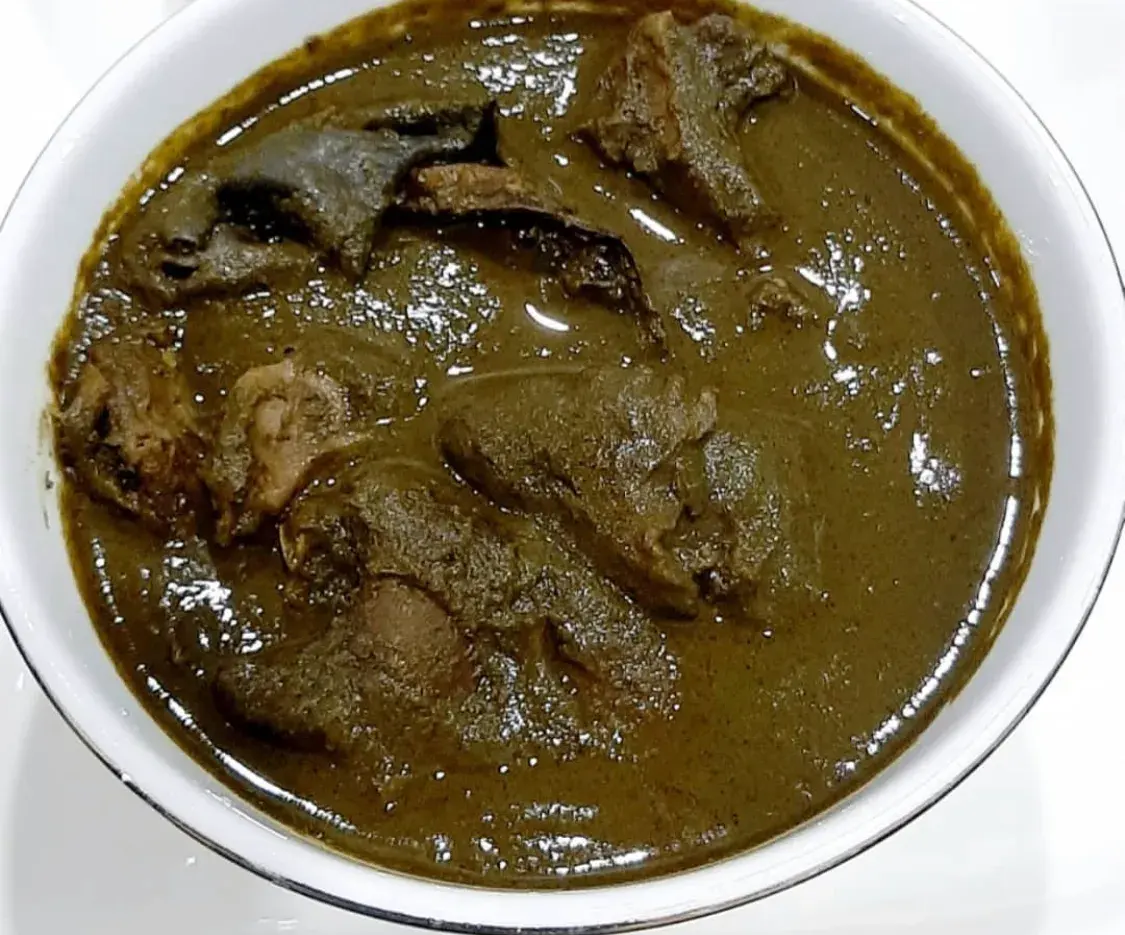
Edo Black Soup
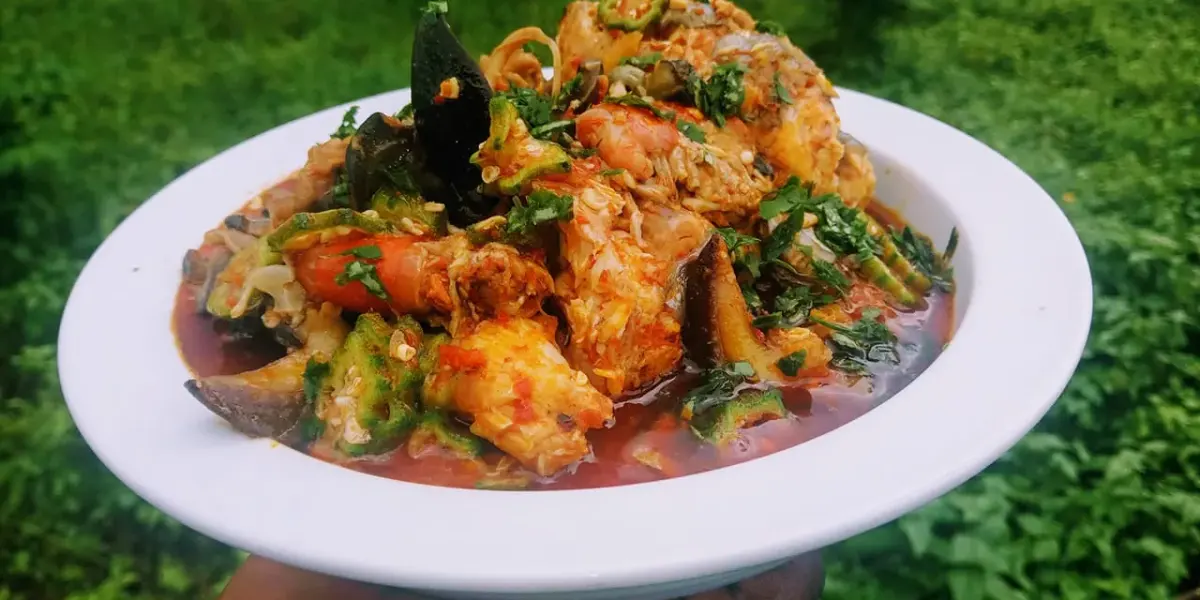
Nigerian Fisherman Soup
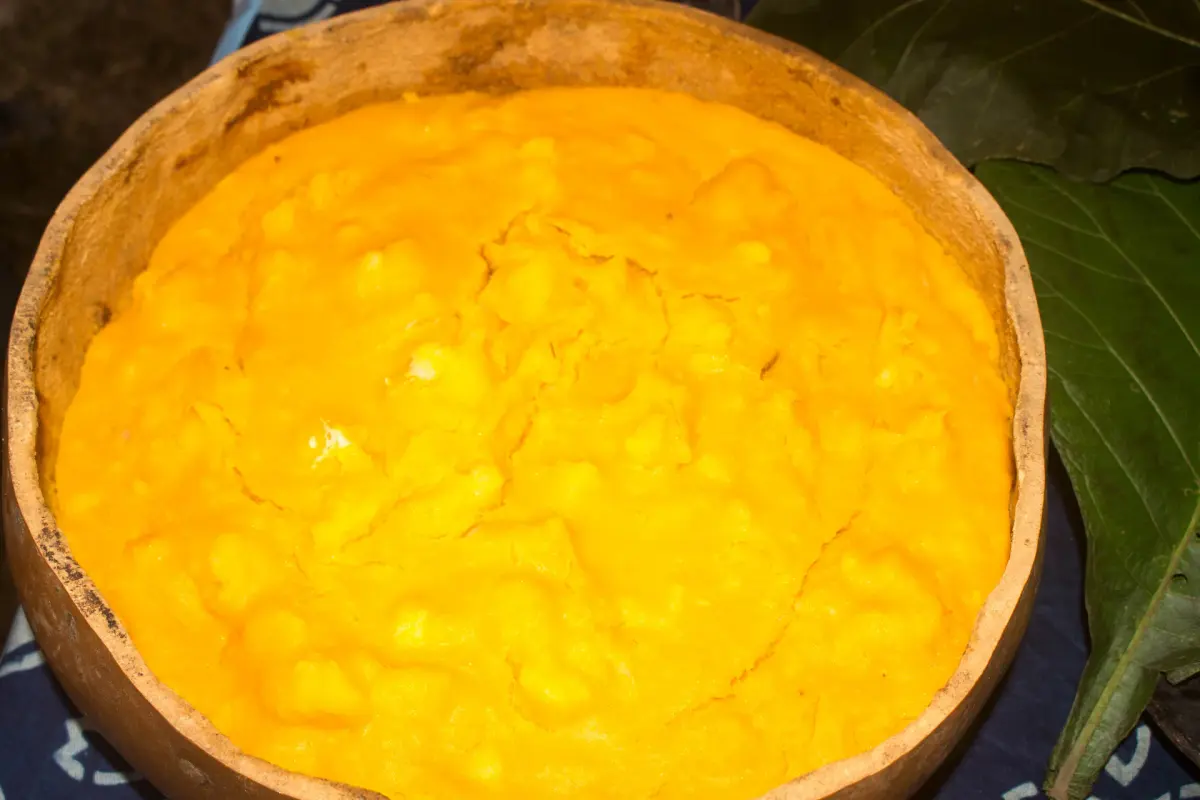
Igbo Yam Porridge
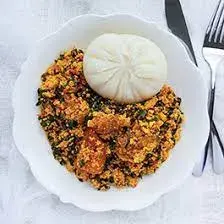
My mother used to roll these so thin, but 3mm is a good thickness sha. couldnt get pre-ground groundnuts here so I just blitzed unsalted roasted peanuts from the local shop in a blender. The peanut smell when they hit the hot oil brought back memories o. Very crunchy and sweet with just that 1/4 cup sugar.
took a minute to figure out the right oil temp: 175 felt a bit high on my stove and the first batch got dark really fast before the center was fully crisp. reduced the heat slightly and the second batch came out perfect. dough was surprisingly easy to roll down to 3mm without sticking.