
East African Pilau
Abuja, Nigeria · Voir toutes les recettes
Aperçu
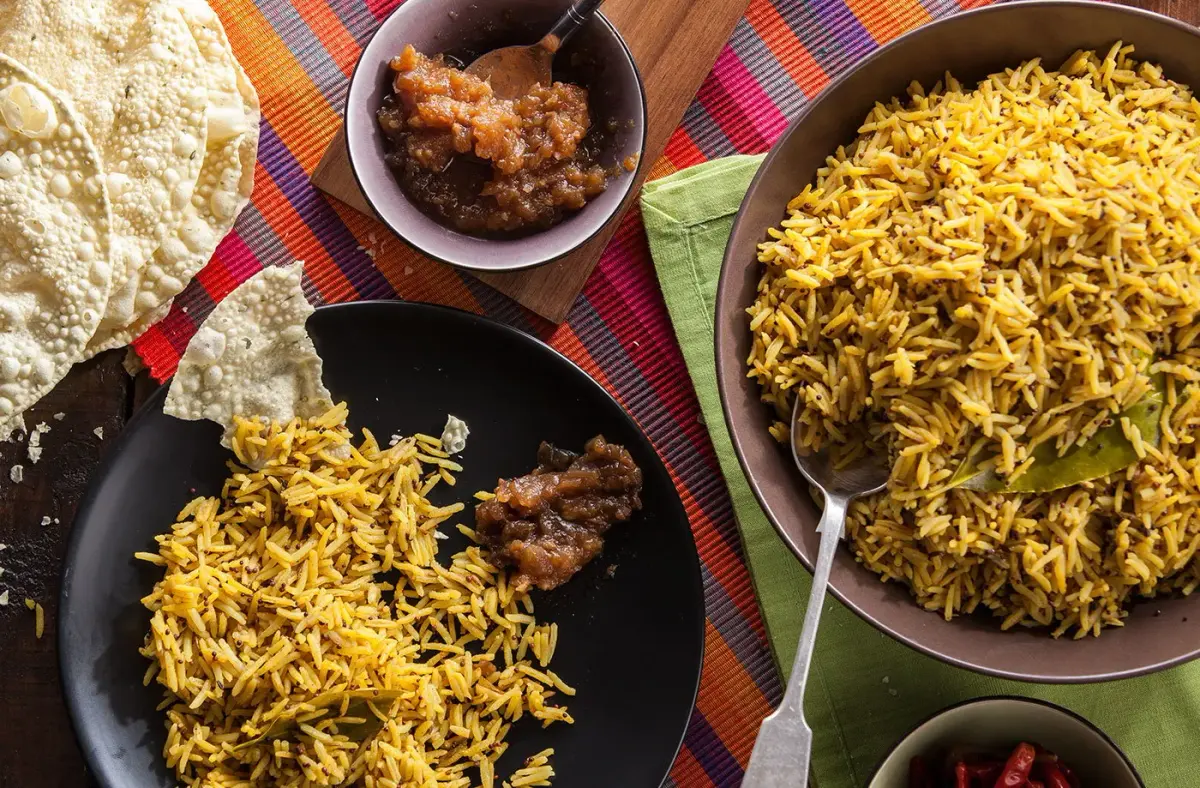
Pilau is the spiced rice of the East African coast: rice cooked with cumin, cardamom, cloves, cinnamon and turmeric until every grain carries the spice. It is celebration food across Kenya, Tanzania, Uganda and Zanzibar, made for weddings, for Eid, and whenever a guest of consequence arrives. It reached the Swahili coast through centuries of Indian Ocean trade, and the family it belongs to runs from Persian polow through Central Asian plov to South Asian pulao. The East African version is milder than the Indian one and does not use curry, which is the distinction the source draws and it is a fair one. The defining spice mix has its own name, pilau masala, and there is a recipe for it on this site. An important note about this page. Its written description is of a full pilau: caramelised beef, potatoes, tomatoes and pilau masala simmered in meat stock. The recipe card attached to it is something else entirely, a plain spiced rice with no meat, no potatoes and no stock. The recipe below follows the card, since that is the actual recipe on the page, and the result is a good vegetarian side dish. It is not, however, the celebratory beef pilau the description promises. Browning the onions properly is the step that matters most in either version.
Note de Patrimoine AFN
Pilau is a spiced rice dish of the East African coast, found across Kenya, Tanzania, Uganda and Zanzibar, and associated with weddings and religious festivals. It arrived through Indian Ocean trade and belongs to the same family as Persian polow and South Asian pulao.
Ingrédients
Les mentions alimentaires sont fournies par les contributeurs à titre indicatif. Elles ne sont pas vérifiées par AFN et dépendent des produits que vous achetez. En cas d’allergie grave, vérifiez vous-même chaque ingrédient. Cuisine, allergies et votre propre jugement
Préparation
- 1
Warm a large pan with a tight-fitting lid. Scatter the cumin seeds over the base and toast them for about 30 seconds, moving them around so they colour without burning, then tip them into a bowl.
- 2
Melt the ghee or warm the oil in the same pan. Cook the onion over medium heat for 5 to 7 minutes, until softened and starting to colour, this is where most of the flavour comes from, so do not rush it.
- 3
Crush the toasted cumin seeds lightly with the cardamom pods. Work them into the pan with the cloves and turmeric and cook for a minute or two until fragrant.
- 4
Rinse the rice well under cold water until it runs clear, then tip it into the pan.
- 5
Pour in the boiling water, drop in the bay leaves and cinnamon, season with salt, and mix just enough to distribute everything.
- 6
Bring to the boil, cover tightly and cook over low heat for 12 to 15 minutes, until the water has been absorbed.
- 7
Leave it covered and off the heat for a few minutes before fluffing with a fork and serving.
Notes de l’Africook
- Brown the onions properly. Rushing this step is the single most common reason a pilau tastes flat, and it wants a good 5 to 7 minutes.
- Rinse the rice until the water runs clear. Surface starch is what makes pilau claggy instead of separate.
- Toast the whole spices before they meet the liquid. It takes under a minute and makes a substantial difference.
- Do not lift the lid while it cooks. The steam trapped under it is doing the work.
- Let it rest off the heat before fluffing. Rice fluffed straight from the heat breaks up.
- For the full celebratory version, brown cubed beef with the onions, add potatoes and tomatoes, and cook the rice in the meat stock rather than water.
Questions fréquentes
How is East African pilau different from Indian pulao?
It is milder and it does not use curry powder. East African pilau relies on whole warm spices, cumin, cardamom, cloves, cinnamon and black pepper, usually combined as pilau masala, and the flavour is aromatic rather than hot. Indian pulao varies enormously by region but frequently includes chilli and a broader spice range. Both descend from the same Persian and Central Asian ancestry, arriving on the Swahili coast through Indian Ocean trade.
Why doesn't this recipe have meat in it?
Because the recipe card on the source page does not include any, even though the article around it describes a beef pilau with potatoes and tomatoes cooked in meat stock. The version here follows the card, which is the actual recipe attached to the page, and it makes a good spiced rice side dish. To make the celebratory version the description promises, brown cubed beef with the onions, add potatoes and tomatoes, and use meat stock instead of water.
What is pilau masala?
The spice blend that defines the dish: typically cumin, cardamom, cloves, cinnamon and black pepper, sometimes with coriander seed and nutmeg, toasted and ground together. It is sold ready-made across East Africa and at African grocers elsewhere, and there is a recipe for making it from scratch on this site. Using it in place of the individual whole spices here is straightforward and is what most East African cooks would do.
When is pilau eaten?
It is a dish for occasions. Across Kenya, Tanzania, Uganda and Zanzibar it is made for weddings, for Eid, during festive seasons, and when an important guest arrives, the effort and the spice cost are part of what makes it appropriate. It is also eaten as ordinary food, particularly the simpler versions, and it reheats and freezes well, which is why large batches are common.
Avis
Soyez le premier à noter cette recette
Vous l’avez cuisinée ? Votre note aide la personne suivante à se décider.
Aucun avis sur cette recette pour le moment. Si vous l’avez cuisinée, le vôtre serait le premier.
Vous Aimerez Aussi
Nigerian Fisherman Soup

Amasi Recipe
Tapalapa