

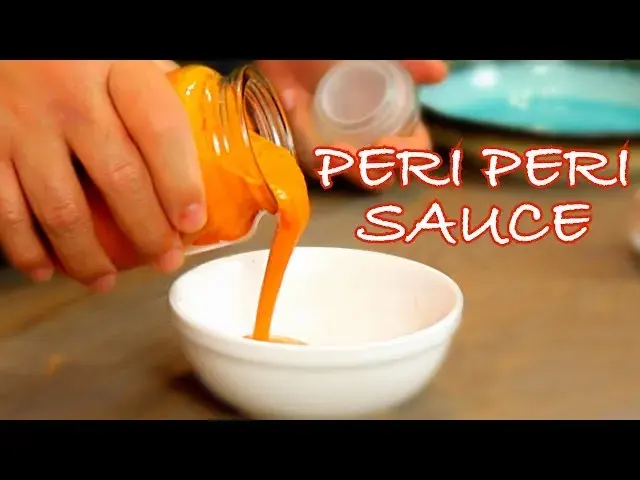
Peri Peri Chicken Sauce
Aperçu
Peri peri, also written piri piri, is a sauce built on the African bird's eye chilli, and both the chilli and the sauce belong to the Portuguese-speaking parts of southern Africa. Piri piri is Swahili for pepper, and the chilli itself grows wild across Mozambique, Angola and the surrounding region. Its history runs both ways across the Atlantic. Chillies are South American and were carried to Africa by Portuguese traders in the sixteenth century, where the small bird's eye variety naturalised and became a defining ingredient of Mozambican cooking. Portuguese settlers then took the sauce back to Portugal, and from there it spread internationally, which is why most people outside Africa first meet it as a restaurant chain flavour rather than as a Mozambican one. The sauce is not only heat. Bird's eye chilli brings a genuine fierceness, but the finished sauce carries tangy citrus from lemon, a little sweetness from sugar, and an earthy smokiness from paprika and garlic, and the result is thick, almost paste-like. The technique worth noting is emulsifying the oil into the blended sauce at the end, at reduced speed, which gives the body it needs to cling to chicken. The source is emphatic on one point: do not use extra virgin olive oil, which turns bitter when blended.
Note de Patrimoine AFN
Peri peri is built on the African bird's eye chilli, which naturalised in Mozambique and Angola after chillies were carried from South America by Portuguese traders in the 16th century. Piri piri is the Swahili word for pepper.
Ingrédients
Les mentions alimentaires sont fournies par les contributeurs à titre indicatif. Elles ne sont pas vérifiées par AFN et dépendent des produits que vous achetez. En cas d’allergie grave, vérifiez vous-même chaque ingrédient. Cuisine, allergies et votre propre jugement
Préparation
- 1
Mix all the seasoning rub ingredients together and set aside.
- 2
Dice the tomato and set it aside.
- 3
Roughly chop the bell pepper, onion, garlic and chilli.
- 4
Sweat them in a medium-high pan with a little oil until translucent.
- 5
Add the coriander stalks, paprika and sugar and cook for 30 seconds.
- 6
Add the tomatoes and cook until very soft and starting to catch on the bottom of the pan.
- 7
Switch off the heat and stir in the vinegar.
- 8
Transfer to a blender and add the coriander leaves, lemon and cold water.
- 9
Blend for 1 minute on high, then reduce to medium speed and emulsify the oil into the sauce.
- 10
Transfer to a sterilised jar, cool to room temperature and store in the fridge.
- 11
To cook chicken with it, season the chicken liberally with the peri peri rub and marinate for ten minutes.
- 12
Sear the chicken in a medium-high pan with a little oil until golden brown on both sides.
- 13
Transfer to a bowl and coat liberally in the peri peri sauce.
- 14
Move to a lined roasting tray and roast at 190°C for 15 minutes, turning halfway, starting skin side down.
- 15
The chicken should be dark brown when done. Rest for 2 to 3 minutes before serving, with extra sauce on the side.
Notes de l’Africook
 Notes personnelles de Chef Donkey
- Do not use extra virgin olive oil. The source is emphatic and correct: blending extra virgin olive oil at speed makes it bitter. Light olive oil or any neutral oil is right.
- Emulsify the oil in at reduced speed at the very end. That is what gives the sauce its thick, clinging body rather than a thin blend with oil floating on top.
- Let the tomatoes catch slightly on the pan before blending. That browning is where the depth comes from.
- Coat the chicken in sauce after searing, not before. Sugar and tomato in the sauce burn under a hard sear.
- Bird's eye chillies are genuinely fierce. Three is a starting point, not a maximum, but taste before adding more.
- Jarred and refrigerated it keeps two to three weeks. Sterilise the jar properly and always use a clean spoon.
Questions fréquentes
What is peri peri and where does it come from?
Peri peri is a sauce built on the African bird's eye chilli, from the Portuguese-speaking parts of southern Africa, principally Mozambique and Angola. Piri piri is Swahili for pepper. Chillies came from South America with Portuguese traders in the 16th century; the small bird's eye variety naturalised there and the sauce grew up around it.
How hot is it?
Hot, but not only hot. Bird's eye chilli is genuinely fierce, and three of them in this quantity of sauce gives a real kick. Alongside that there is citrus tang from lemon, sweetness from sugar and an earthy smokiness from paprika and garlic, so the heat sits within a fuller flavour rather than standing alone.
Why not extra virgin olive oil?
Because blending it at high speed turns it bitter. The blades break down the polyphenols in extra virgin oil and release a harsh, peppery bitterness that will not go away. Light olive oil, rapeseed or any neutral oil emulsifies without that problem, and the source flags this specifically.
What goes with peri peri chicken?
Fried rice with vegetables and egg, oven chips, a crisp green salad or a creamy coleslaw. The point of all of them is contrast: something to soak up the sauce, or something cool and crunchy against the heat. Extra sauce on the side is standard.
Avis
5 avis
Vous Aimerez Aussi
Voir toutes les recettes Mozambique →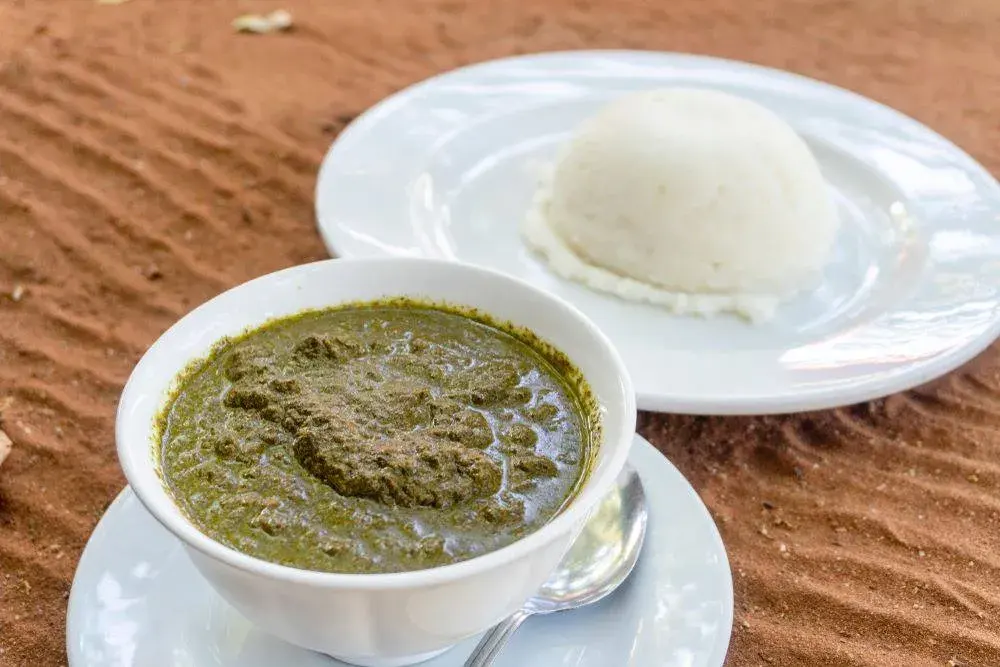
Mozambique Matapa Recipe

How to Make Crispy Fried Chicken Feet
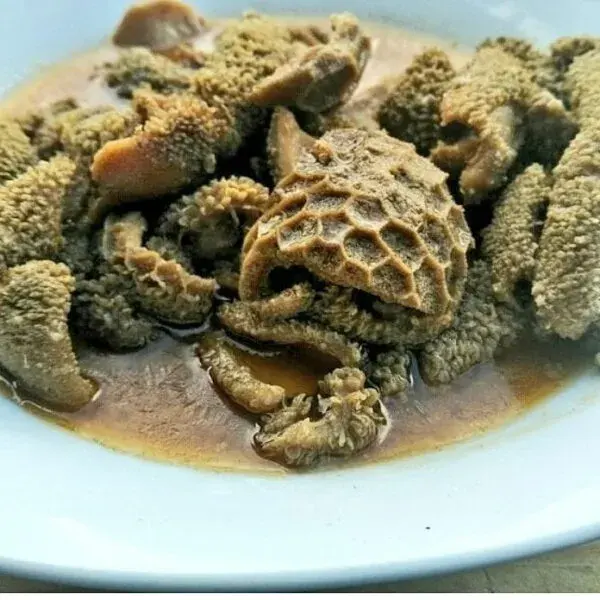
Tripe (Mogodu)
I couldn't get bird's eye chilli at my local H-EBT in Katy so I used one small habanero instead. That note about using light olive oil instead of extra virgin is so accurate o, EVOO made my previous attempt bitter. The lemon zest and juice really cut through the heat nicely.
Chale, using habanero is very bold oo, but the lemon really cuts that sharp heat well! You are so right about the EVOO paa, the bitter taste can ruin everything. My grandmother in Tamale always insists on using plain light oil so the citrus and garlic can shine properly. Just a small thing though, remember Peri Peri is originally Mozambican, not Nigerian, so don't let your friends claim it!
Frying the coriander stalks with the paprika for 30 seconds gave the oil such a rich smell before adding the diced tomatoes. Only issue is my sauce took almost 55 mins to reduce properly on medium heat, not 40 mins. Sweet sha.
Chale, don't mind the 40 minutes on the recipe oo. Reducing it for 55 minutes is actually better so the tomato acidity settles properly. And herh, that trick with the coriander stalks in the oil brings out the flavor paa, my grandmother always does that for her sauces.
managed to find real birds eye chillies at go asia near alexanderplatz. was slightly worried that 15g of brown sugar would turn it into a dessert sauce, but combined with the 30g white wine vinegar and lemon juice the acid balances it out completely. perfect glaze for grilled chicken drumsticks.