

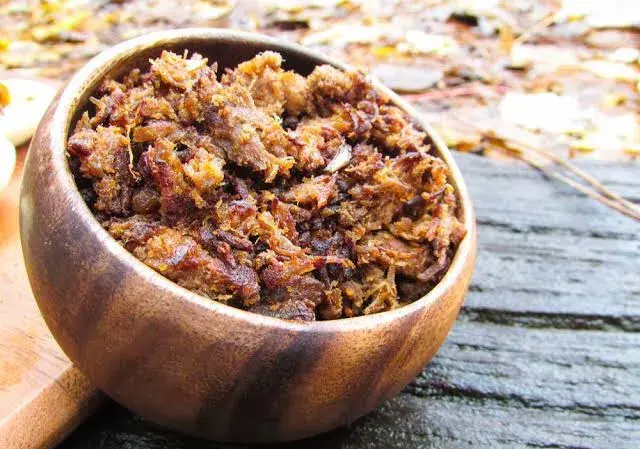
Dambu Nama (Shredded Meat)
Aperçu
Dambu nama is dried, shredded and fried beef from Northern Nigeria, fine and fibrous, closer to floss than to jerky. It is popular among the Hausa and Fulani, and its name is straightforward Hausa: dambu for the shredded form, nama for meat. It began as preservation. Fresh meat was scarce in the dry season, and drying beef in the sun and then pounding or shredding it into fine strands made it keep, made it light to carry, and concentrated it. Spices were added over time, which improved the flavour and did further preservative work. That the result is now eaten as a snack rather than as a store against a hard season is the usual arc for a preserved food that turned out to be good. Its texture is what makes it distinctive. Where kilishi, its northern neighbour in the dried meat category, stays as thin sheets, dambu nama is broken down into fine fibres, which changes entirely how it is eaten. It is taken by the pinch or the spoonful, scattered over rice or eaten straight, and it holds for a long time in a sealed container. It is also frequently sold ready made, since the drying and shredding are the slow parts.
Note de Patrimoine AFN
Dambu nama is documented as a Hausa preparation of Northern Nigeria, in which beef is dried and shredded into fine fibres, a method developed to preserve meat through the dry season when fresh meat was scarce. Its name derives from the Hausa dambu, for the shredded form, and nama, for meat.
Ingrédients
Les mentions alimentaires sont fournies par les contributeurs à titre indicatif. Elles ne sont pas vérifiées par AFN et dépendent des produits que vous achetez. En cas d’allergie grave, vérifiez vous-même chaque ingrédient. Cuisine, allergies et votre propre jugement
Préparation
- 1
Wash the beef thoroughly.
- 2
Cut the beef into thin, long strips, removing any excess fat.
- 3
Season the strips with salt, chilli powder, garlic powder and onion powder, adjusting to taste.
- 4
Place the seasoned strips on a drying rack or hang them in a well ventilated area. Leave them to dry until dry and crisp. Depending on conditions this takes a day or two.
- 5
Once the strips are completely dried, heat vegetable oil in a frying pan or deep fryer.
- 6
Fry the dried strips until golden brown and crisp, working in small batches for even cooking.
- 7
Lift the strips out and drain on paper towels.
- 8
Leave the dambu nama to cool completely before serving.
Notes de l’Africook
 Notes personnelles de Laila Yetunde
- Use lean beef and trim hard. Fat does not dry, it goes rancid, and it is the reason home made dried meat fails in storage.
- Shred while the meat is still slightly warm from frying. It separates into fibres readily then, and goes brittle and breaks into fragments once fully cold.
- A low oven at around 65°C with the door ajar is the reliable route in a humid or cold climate, in place of air drying over a day or two.
- Fry in small batches. Crowding the pan drops the oil temperature and the strips absorb oil instead of crisping.
- It keeps for weeks in an airtight container once completely cool. Any residual warmth creates steam and softens it.
Questions fréquentes
What is the difference between dambu nama and kilishi?
The texture and the coating. Kilishi is sliced very thin, coated in a groundnut and spice paste, and dried into flat sheets. Dambu nama is dried and then shredded or pounded into fine fibres, closer to a meat floss, and it does not carry the groundnut coating. Both are Northern Nigerian dried beef and they eat completely differently.
How is dambu nama eaten?
As a snack, taken by the pinch or the spoonful straight from the container. It is also scattered over rice or served alongside other dishes as a savoury topping, and it appears with pap or kunu at breakfast. It is not usually cooked further once made, since its whole appeal is the concentrated dried texture.
Can I make dambu nama without sun drying?
Yes. A low oven at around 65°C with the door slightly ajar gives the same result over several hours and is the practical route where the climate does not allow air drying. A dehydrator works even better. The requirement in every case is low steady heat with moisture able to escape.
How long does dambu nama keep?
Several weeks in an airtight container if the meat was dried properly and the fat was trimmed out. Fat is the limiting factor, since it goes rancid rather than drying. Let it cool completely before sealing it, because trapped warmth creates steam and softens the fibres, which shortens its life considerably.
Avis
2 avis
Vous Aimerez Aussi
Voir toutes les recettes Nigeria →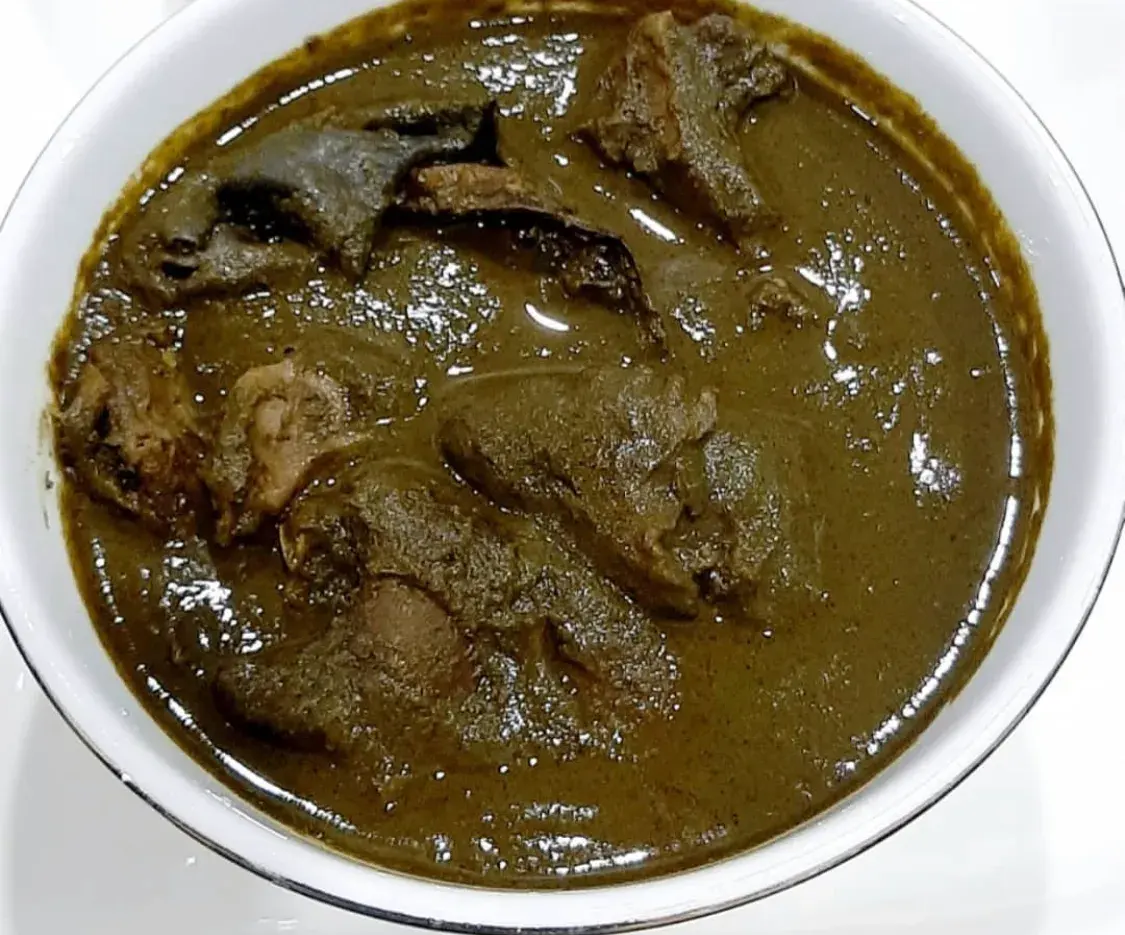
Edo Black Soup
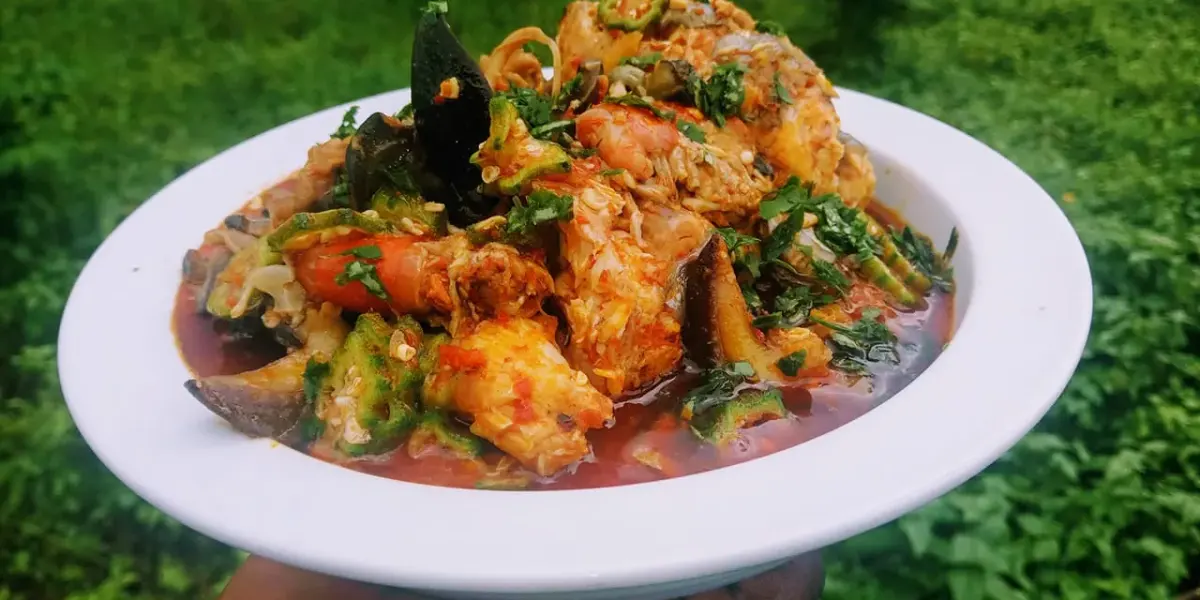
Nigerian Fisherman Soup
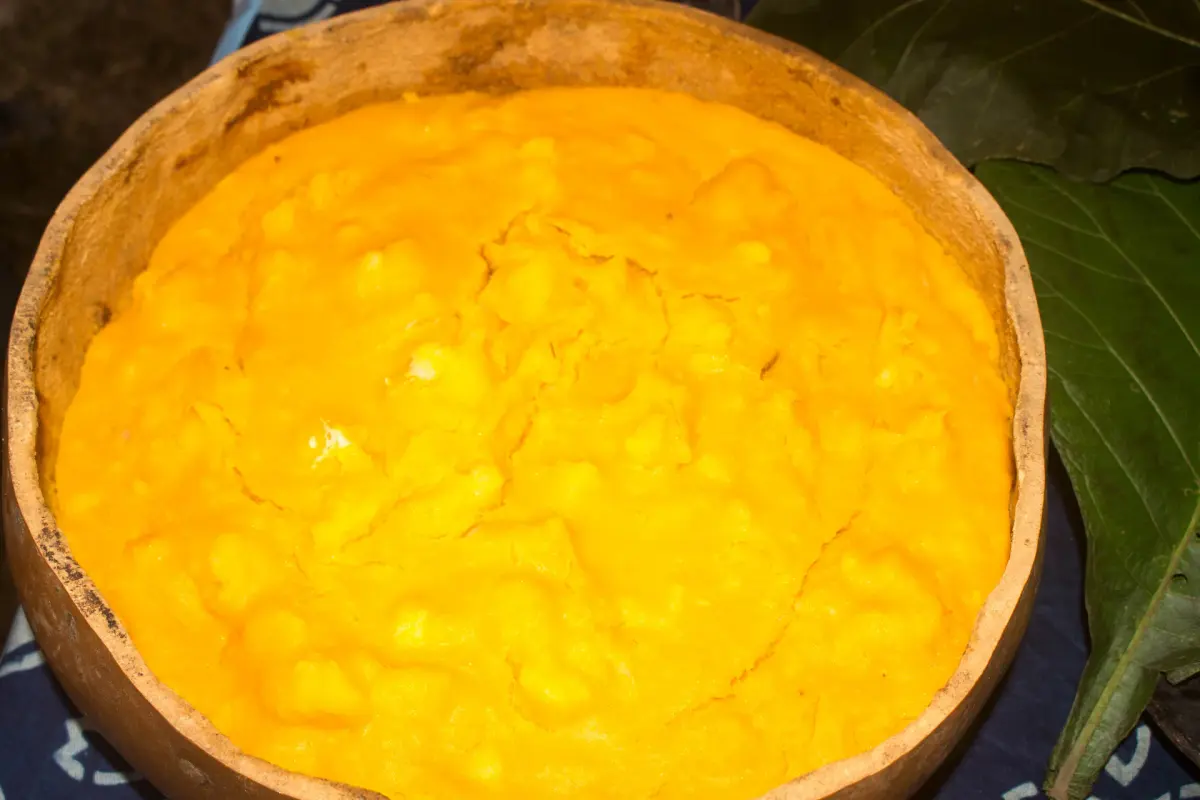
Igbo Yam Porridge
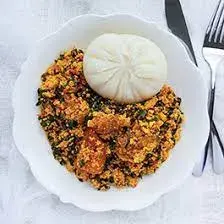
Drying beef outside in South Wales obviously wasnt going to happen with our weather, so I set up a drying rack near the radiator in the spare room. Took nearly two full days to get the strips properly crisp before frying. Picked up a really lean piece of brisket from the butcher in Cardiff market which worked brilliantly. The crunch on these is fantastic, though next time ill double the chilli powder for a bit more kick.
Ah franchement, this brings back memories of dried meats from back home even if dambu nama is Nigerian! Finding good lean beef without too much fat was tricky at the Giant, but I found what I needed at the West African market on Georgia Ave. I let the seasoned strips hang for 36 hours in my kitchen. Once fried, the texture was perfect... crisp and shredded. My family ate half the plate before I could even serve it with the pondu.