
Stuffed Rolled Pastry
Aperçu
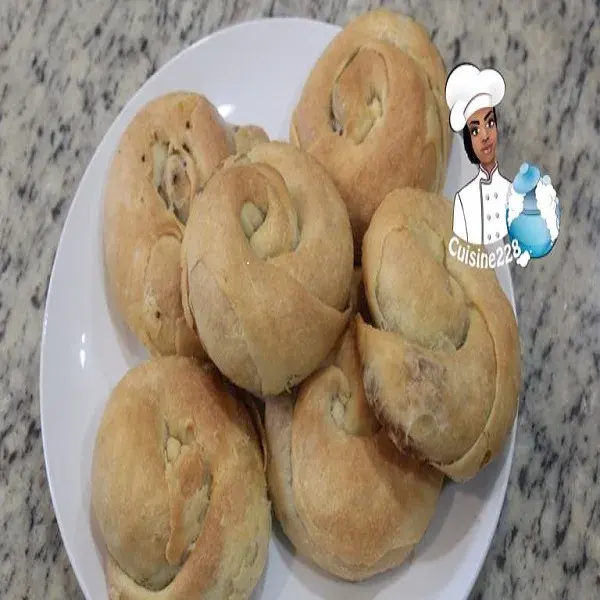
Rolled parcels of semolina dough filled with spiced minced meat and baked until golden. No country is claimed, and this page needs more explanation than most, because the recipe and the article wrapped around it do not describe the same dish. The article talks about puff pastry pockets filled with prosciutto, mozzarella and sliced potato, calls them fagottini or saccottini, and treats them as Italian. The actual recipe is nothing of the sort: it is a hand-made semolina and flour dough, spread with a butter and oil mixture and rolled, the technique behind Maghrebi breads like msemen and mhajeb, filled with minced meat seasoned with ginger, garlic and harissa. Harissa and rolled semolina dough are North African markers, not Italian ones. The recipe below follows what is actually written. Two further inconsistencies come from the same confusion. The article recommends one oven temperature while the method gives a lower one, and one of the ingredient notes explains that sugar gives a nice golden colour "to pancakes", which has drifted in from another recipe entirely. The slug is simply "pastry", which is not a name for anything. It is being kept exactly as it is, because changing it would break whatever search traffic the page currently earns.
Ingrédients
Préparation
- 1
For the filling, warm the oil in a large pan and cook the chopped onion over medium heat. Put in the chopped vegetables and cook for 2 minutes.
- 2
Work in the minced meat and the seasoning, breaking up the lumps, until the meat has browned all over and the liquid has evaporated, about 5 minutes. Set the filling aside and chill it, a warm filling will tear the dough.
- 3
For the dough, combine the flour, semolina, salt and sugar in a mixer or bread machine, adding warm water a little at a time until you have a very smooth dough, about 5 minutes at medium speed.
- 4
Form the dough into small balls and leave them to rest for 5 minutes.
- 5
Spread each ball out as thinly as you can without tearing it, brushing generously with the butter and oil mixture as you go.
- 6
Spoon the cooled filling along one edge and roll the dough up around it.
- 7
Bake at 350°F / 180°C for 18 to 20 minutes, until lightly golden. The article recommends 400°F / 200°C for a better rise, which is worth trying if your pastries come out pale.
Notes de l’Africook
- Chill the filling before it meets the dough. Warm filling softens the dough and tears it as you roll.
- Spread the dough as thinly as you can. The layering from the butter and oil is what gives these their texture, and thick dough gives you bread instead.
- Rest the dough balls properly. Five minutes lets the gluten relax so the dough will stretch instead of springing back.
- The two oven temperatures in the source disagree. The hotter one gives a better rise; the cooler one is safer against burning.
- They freeze well before baking, which is worth knowing since the rolling is the slow part.
- The filling is a template. Any well-seasoned, well-drained mince works, and a wet filling is the main thing to avoid.
Questions fréquentes
Is this an Italian dish or a North African one?
The recipe is North African in technique, whatever the article around it says. A hand-stretched semolina dough brushed with butter and oil and rolled is the method behind Maghrebi breads such as msemen and mhajeb, and harissa in the filling points the same way. The article describes something quite different, puff pastry pockets with prosciutto and mozzarella, called fagottini, which appears to have come from another source. The recipe here follows the ingredients and method as written.
What temperature should I bake them at?
The source gives two different answers: 400°F in its text and 350°F in its method. Both work. The hotter oven creates more steam inside the dough, which gives a better rise and a crisper finish, and is the better choice if your pastries come out pale and dense. The cooler oven is more forgiving if they are browning before the filling is hot. If the tops colour too quickly, cover them loosely with foil and carry on baking.
Can I use shop-bought puff pastry instead?
Yes, and it is far quicker, which is presumably why the article assumes it. You lose the semolina dough entirely, so the result is a different pastry, lighter and flakier rather than chewy and layered, but the filling works well in it. Roll the pastry out, spoon the cooled filling along one edge, roll up, and bake in a hot oven until golden. Do not skip cooling the filling first.
How should I store them?
They are best eaten soon after baking, while the pastry is still crisp. They keep in the fridge for a couple of days and reheat acceptably in an oven, though not in a microwave, which softens the layers. Better still, freeze them before baking, the rolling is the slow part of this recipe, and frozen unbaked parcels go straight into the oven with a few extra minutes added.
Avis
Soyez le premier à noter cette recette
Vous l’avez cuisinée ? Votre note aide la personne suivante à se décider.
Aucun avis sur cette recette pour le moment. Si vous l’avez cuisinée, le vôtre serait le premier.
Vous Aimerez Aussi
Kafteji
Mozambique Matapa Recipe
Isombe