

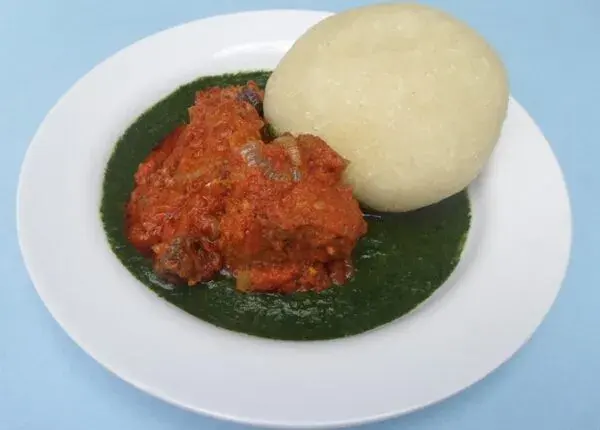
Amala Lafun and Ewedu Soup
Aperçu
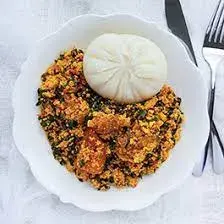
Amala lafun is white amala, made from cassava flour rather than the dried yam flour that produces the dark version, and it is particularly associated with the Oyo people of southwestern Nigeria. Ewedu is jute leaf soup, whisked to a fine green draw. Together they are one of the most eaten combinations in Yorubaland. The buka is where most people first meet it. Nigerian bukas, the small cheap eating houses of the southwest, serve amala with ewedu and a pepper stew as a matter of course, and the three together are called abula. Ordering it is a single decision rather than three, and people have loyalties to particular bukas that last decades. Lafun behaves differently from black amala and needs handling to match. Where elubo from yam is added to water taken off the heat, lafun is thickened gradually with hot water and benefits from a brief steam on the stove afterwards, which is what gives it the smooth stretchy texture it should have. Ewedu is cooked with potash, which holds the green colour and helps the leaves break down, and is mashed with an ijabe, the cooking broom, into fine pieces rather than blended smooth. It is also eaten with okra soup and efo riro.
Note de Patrimoine AFN
Lafun is the flour of dried cassava, distinguished from elubo, the flour of dried yam, and is documented as the base of white amala among the Yoruba of southwestern Nigeria. Ewedu is made from the leaves of Corchorus olitorius, jute mallow, which is eaten across West Africa, North Africa and the eastern Mediterranean under many names.
Ingrédients
Les mentions alimentaires sont fournies par les contributeurs à titre indicatif. Elles ne sont pas vérifiées par AFN et dépendent des produits que vous achetez. En cas d’allergie grave, vérifiez vous-même chaque ingrédient. Cuisine, allergies et votre propre jugement
Préparation
- 1
Pick just the ewedu leaves, discarding all stems, and wash thoroughly in plenty of water to remove any sand.
- 2
Pour 1.5 cups of water into a pot and bring to the boil. Add the potash, locust beans and seasoning.
- 3
Add the washed ewedu leaves and cook for 7 to 10 minutes.
- 4
Use a cooking broom to mash the leaves continuously in the pot, which breaks them into fine pieces after about five minutes. Alternatively transfer to a blender and pulse twice.
- 5
Add the ground crayfish and salt to taste.
- 6
For the amala, bring two cups of water to the boil in a separate pot.
- 7
Over medium heat, pour in the cassava flour and turn with a wooden spatula.
- 8
Keep turning until it is smooth and free of lumps, then cover briefly to steam through.
- 9
Serve the amala lafun with the ewedu, alongside stew and meat.
Notes de l’Africook
 Notes personnelles de Taiwo Oladapo
- Pick the leaves off the stems properly. Ewedu stems do not break down and will show up as fibres in a soup whose whole appeal is a fine, even draw.
- Potash holds the green colour and helps the leaves break down. A very small amount is all it takes; more gives a soapy taste and can kill the draw entirely.
- Pulse in a blender rather than running it. Two short pulses gives the right texture; a smooth puree loses the character of the soup.
- Lafun is thickened gradually with hot water rather than dumped in, and a brief steam on the stove afterwards gives the smoother, stretchier texture.
- Ewedu is almost always served with a pepper stew and often gbegiri alongside, which together make abula.
Questions fréquentes
What is the difference between lafun and elubo?
The tuber. Lafun is the flour of dried cassava and gives white amala. Elubo is the flour of dried yam and gives the dark brown to near black amala most people picture. They are prepared slightly differently, with lafun thickened gradually in hot water, and lafun has a milder, faintly sour flavour.
What is ewedu made from?
The leaves of Corchorus olitorius, jute mallow, the same plant eaten as molokhia in Egypt and mloukhia across the Maghreb. In Yoruba cooking the leaves are cooked briefly with potash and locust bean and mashed with a cooking broom into a fine, drawing green soup. Frozen ewedu leaves are widely sold by Nigerian grocers.
Do I have to use potash?
No, but it does two things: it holds the bright green colour and it helps the leaves break down into the fine draw the soup should have. Without it the ewedu is duller and coarser. Use very little, since too much gives a soapy taste and destroys the texture. Bicarbonate of soda is sometimes used similarly.
What is abula?
Abula is the Yoruba combination of ewedu, gbegiri and a pepper stew served together over amala. The three are spooned onto the same plate and eaten as one dish. It is the standard order at a buka in Ibadan or Lagos, and asking for abula gets you all of it without having to name the parts.
Avis
5 avis
Vous Aimerez Aussi
Voir toutes les recettes Nigeria →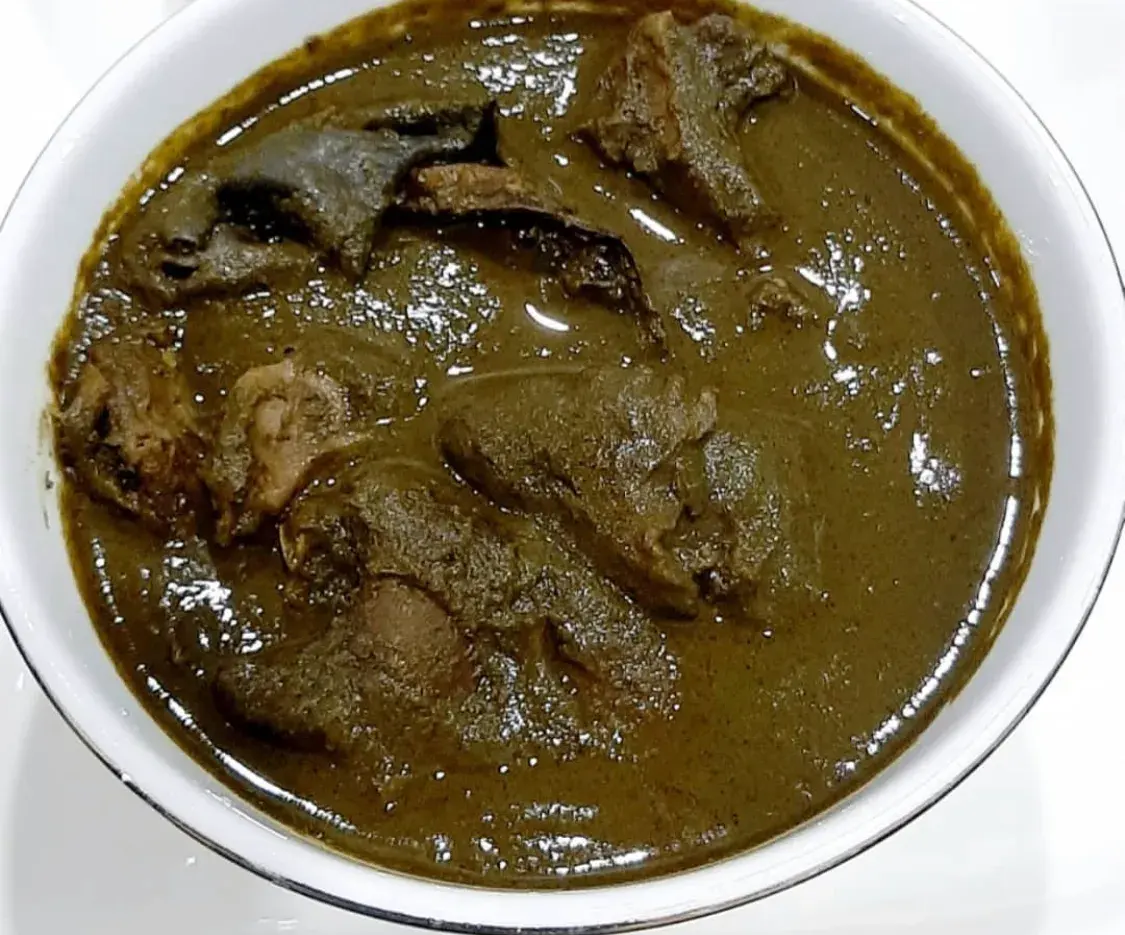
Edo Black Soup
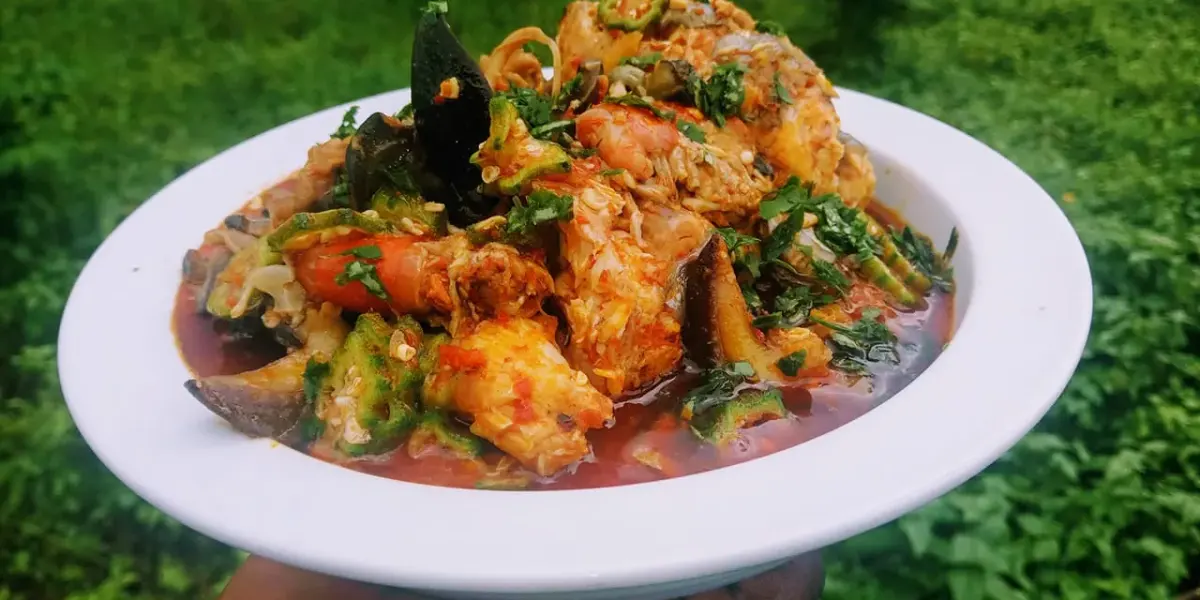
Nigerian Fisherman Soup
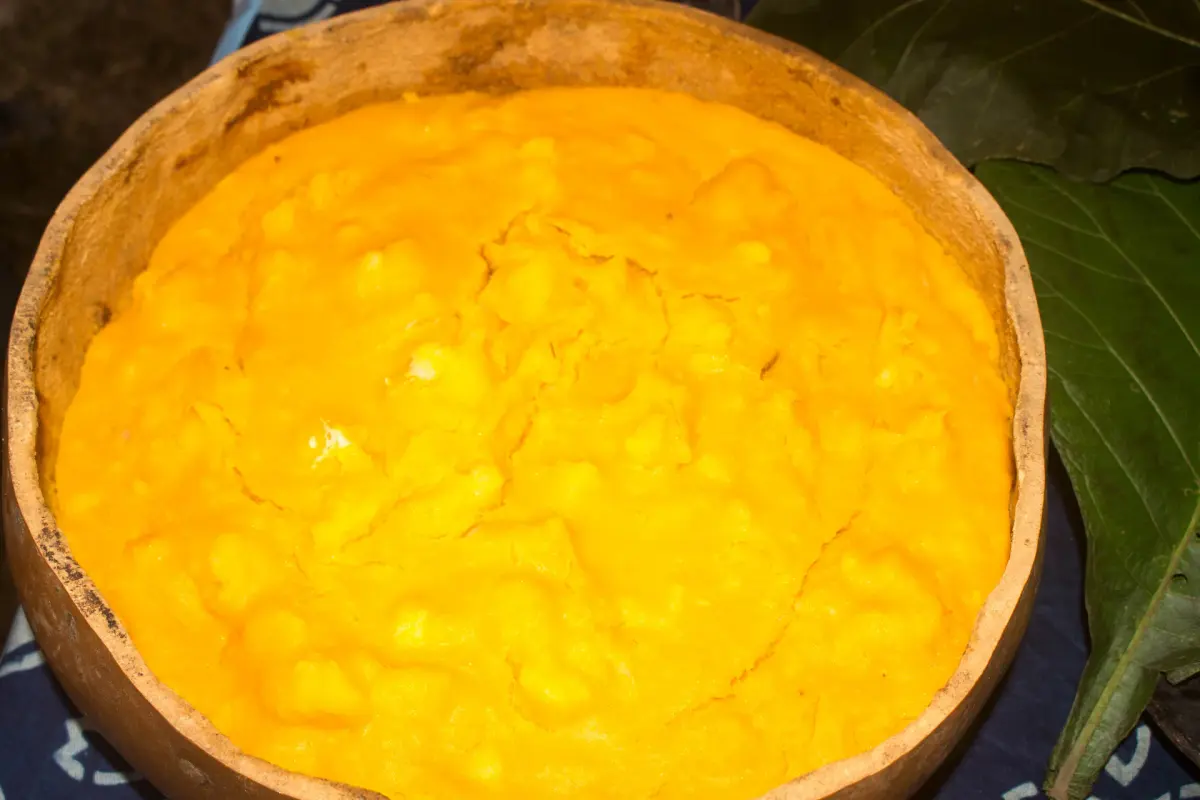
Igbo Yam Porridge
Ah abeg lafun taste is so distinct compared to standard dark amala! I was worried I wouldn't get the draw right without my mother's ijabe broom, but pulsing the ewedu leaves twice in my Ninja blender did the trick o. Just go easy on the added salt because the iru and crayfish carry plenty flavour already.
Managed to get good cassava flour and iru on Tottenham High Road yesterday. Herh the smell of the locust beans when boiling in the pot brought back so many memories oo! My ewedu took closer to 12 mins to soften before mashing though, maybe my half teaspoon of potash was a bit small. Still sweet paa.
Had to hunt down the cassava flour and fermented locust beans at a local Afro-Caribbean grocer, but I am so glad I did. The tip about pulsing the boiled ewedu twice in a blender instead of using a traditional broom worked brilliantly. It gave the soup that proper silky draw texture in seconds.
herh Nigeria people and their draw soup! this ewedu is basically what we call ayoyo in Ghana oo, but using the potash makes it draw so well. My grandmother still insists on pounding it with the small broom for ten minutes paa, but doing a quick pulse in the blender is much easier chale.
Couldn't find fresh ewedu anywhere here in the Bronx so I picked up a pack of frozen leaves from the market on 181st. Left out the potash since frozen leaves get soft fast oo, but the iru and ground crayfish gave it that exact pungent aroma from back home. Chale e nice paa.