


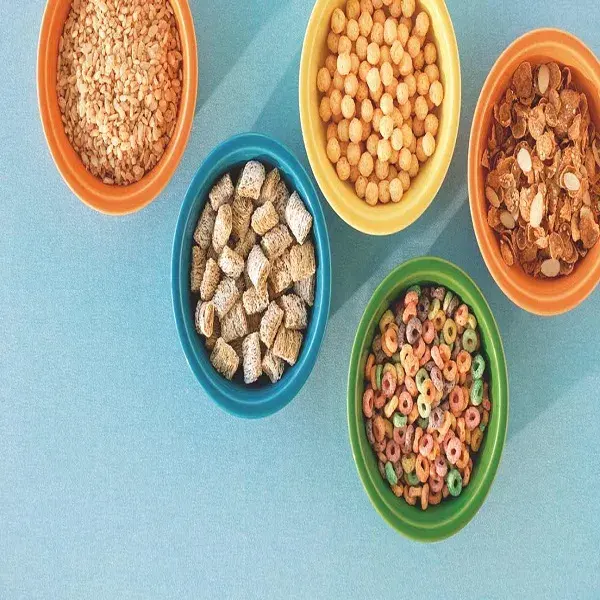
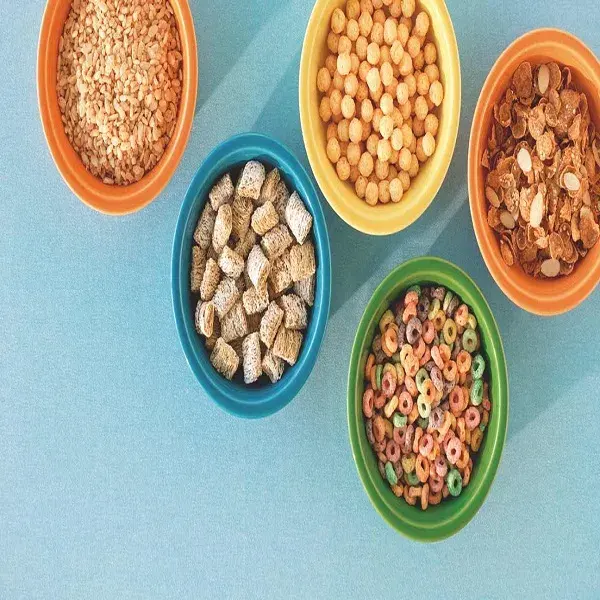
You have seen many food products with ‘fortified’ or ‘enriched’ with vitamins and minerals written on them. In this article, we're focusing on the difference between enriched and fortified vitamins.
If a food label says “enriched”, it means some nutrients lost during the packaging or refining process have been replaced. In the process of refining flour for baking bread, for instance, some nutrients are removed. A number of these nutrients are later replaced to create “enriched” bread.
A “fortified” food, on the other hand, has its existing nutrient content topped off with additional dietary muscle. Vitamins, minerals, even fatty acids may be added to foods that never contained such nutrients. One common example is calcium-fortified orange juice.
A variety of food products are fortified or enriched with vitamins and minerals. Historically, food fortification, such as iodized salt or vitamin D-fortified milk, served as a public health measure to address population-wide nutrient deficiencies. Today, there are also calcium and vitamin D fortified juices, breads fortified with omega-3 fatty acids, and vegetable oil spreads with plant sterols.
Difference Between Enriched and Fortified
Both terms mean that nutrients have been added to make the food more nutritious. Enriched means nutrients that were lost during food processing have been added back. An example is adding back certain vitamins lost in processing wheat to make white flour. Fortified means vitamins or minerals have been added to a food that weren't originally in the food. An example is adding vitamin D to milk.
Foods, mainly enriched grains, breakfast cereals, milk and juice, can play an important role in ensuring that children get adequate amounts of many nutrients. Adults’ diets are even supplemented through their daily eats. Do make sure to read labels for ingredients, and look at nutrition labels for sugar content. Don’t be fooled by health claims and fortification messages; always read labels to make sure you know what you are buying.
If you are trying to improve your diet, evaluating the number of enriched foods you consume is a good place to start. Enriched foods can be part of a healthy eating plan, but they can also be more heavily processed and (sometimes) less nutritious than whole, less processed foods. For example, an enriched loaf of bread may be less nutritious than a loaf made from scratch at your local bakery with whole grains and fresh ingredients.
In summary, enriched food is a product to which nutrients have been added. Typically, the added nutrients were present in the food in its original form but were removed at some point during processing. White bread is an example of an enriched food because certain vitamins are added after the bleaching process depletes them.
Enriched foods sound healthy. The word "enriched" makes it seem like something special has been added to the food to make it better. That definition of enriched foods isn't wrong. But it's not completely accurate, either.
We hope with this article, the difference between enriched and fortified has been clearly understood. Here are similar articles you may love:


Teff is naturally packed with iron and calcium so we do not worry as much about fortification in Ethiopia, but here in Seattle I mix teff with all-purpose flour from the Asian market to stretch it. I always check if the wheat flour is enriched with folic acid and niacin because plain unfortified white flour behaves completely differently when I leave the injera batter to ferment for three days.
e good as you break this down. back home every bag of Golden Penny flour or Dangote sugar has that red eye logo for Vitamin A fortification. moving to atlanta I started seeing 'enriched wheat flour' on all the bread packages at Kroger and assumed it was the same concept. didn't realize enriched just means they stripped the bran and germ during milling then put back a tiny fraction.
most people here in ibadan just buy yellow garri thinking e get more palm oil inside, not knowing NAFDAC specifically pushed biofortified yellow cassava for vitamin A. always thought enriched meant superior quality overall until you explained that it is just replacing the iron and B vitamins stripped away when processing wheat flour sha.
chale this explanation clear my head. people in takoradi keep confusing the two especially when buying flour for local bakery sugar bread. the health service always talks about iodized salt and oil fortified with vitamin A, but nobody explained that enriched only means puting back nutrients lost during factory processing oo.