

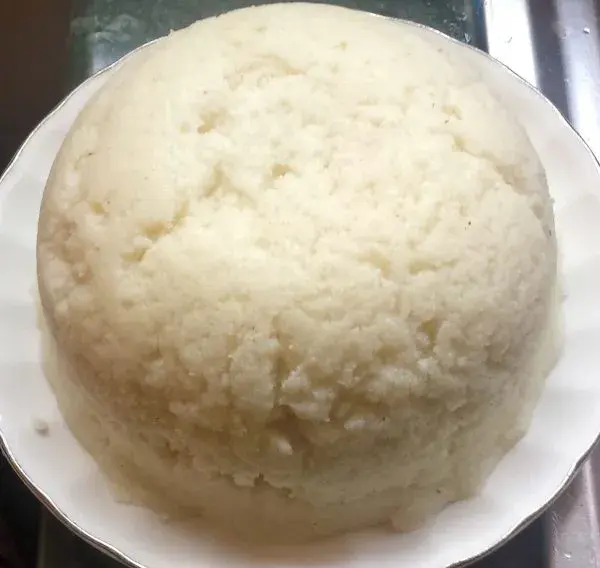
Ugali
Aperçu
Ugali is white maize meal cooked with water into a firm, smooth mass, and it is the staple of Kenya, Tanzania and much of East and Southern Africa. It is not a flavoured dish and does not try to be. Its role is to anchor and complete a plate, and everything else is arranged in relation to it. Making it is a physical skill rather than a recipe. The cook works flour into boiling water over heat, stirring continuously against real resistance, until the mass pulls away from the sides of the pot and holds its shape. The ability to make good ugali is a basic domestic competence in Kenyan households, and a poorly made one is noticed and remarked on. It is eaten by hand. A portion is broken off, pressed between the fingers into a scoop, and used to lift stew, greens or fish. Ugali alone is not a meal; it is the constant against which the rest of the plate is judged. The same preparation runs across the region under other names: nsima and nshima in Malawi and Zambia, sadza in Zimbabwe, posho in Uganda, pap in South Africa. Sorghum, millet and cassava flour are all used in place of maize in different areas, and in Kenya nyama choma with kachumbari is the pairing most associated with it.
Note de Patrimoine AFN
Ugali is documented across East and Southern Africa under names including nsima, nshima, sadza, posho and pap. Maize reached the region through Portuguese Atlantic trade from the 16th century and displaced sorghum and millet as the dominant grain, though both are still used for the same preparation.
Ingrédients
Les mentions alimentaires sont fournies par les contributeurs à titre indicatif. Elles ne sont pas vérifiées par AFN et dépendent des produits que vous achetez. En cas d’allergie grave, vérifiez vous-même chaque ingrédient. Cuisine, allergies et votre propre jugement
Préparation
- 1
Bring the water and salt to a boil in a heavy bottomed saucepan.
- 2
Stir in the cornmeal slowly, letting it fall through the fingers of your hand.
- 3
Reduce the heat to medium low and continue stirring regularly, smashing any lumps with a spoon, until the mass pulls away from the sides of the pot and becomes very thick, about 10 minutes.
- 4
Cover and leave to steam for a further 10 minutes on low heat.
- 5
Remove from the heat and allow to cool slightly.
- 6
Turn the ugali out into a large serving bowl.
- 7
Wet your hands with water, form it into a ball, and serve.
Notes de l’Africook
- Let the flour fall through your fingers in a thin stream while stirring. Tipping it in gives lumps that will not come out once the mass stiffens.
- It is ready when it pulls cleanly from the sides of the pot and a wet spoon pressed into the surface comes away clean. That test is more reliable than any timing.
- The final covered steam is what finishes the starch. Ugali served straight after the stirring stage tastes raw and floury.
- Most Kenyan households do not salt the water. The salt is optional here and traditionally left out, since the flavour comes from what the ugali is eaten with.
- Sorghum, millet and coarse cassava flour all work in place of maize, and each gives a different colour and flavour. More or less water adjusts the firmness to preference.
Questions fréquentes
How do I know when ugali is ready?
It pulls cleanly away from the sides of the pot and does not stick to a wet spoon pressed into the surface. It should hold its shape when portioned but stay smooth rather than crumbly. The test most East African cooks use is to press a wetted thumb into it: if the impression holds clean edges, it is done.
Is ugali the same as fufu?
They are prepared and eaten in comparable ways but they are different dishes. Ugali is made from maize flour and is East and Southern African. Fufu is made from cassava, yam or plantain and is West and Central African, and in much of the region it is pounded rather than stirred. Both are rolled and used to lift stew.
Why is my ugali lumpy?
The flour went in too fast. Let it fall through your fingers in a thin steady stream while stirring continuously, rather than tipping it in. If lumps have already formed, press them hard against the side of the pot with the back of a wooden spoon while the mixture is still loose enough to work.
What is ugali eaten with?
Stews, greens, beans and fish, and in Kenya most famously with nyama choma, the grilled meat, alongside kachumbari, the raw tomato and onion salad. Sukuma wiki, the braised collard greens, is the everyday partner. It is eaten by hand, broken off and pressed into a scoop.
Avis
5 avis
Vous Aimerez Aussi
Voir toutes les recettes Kenya →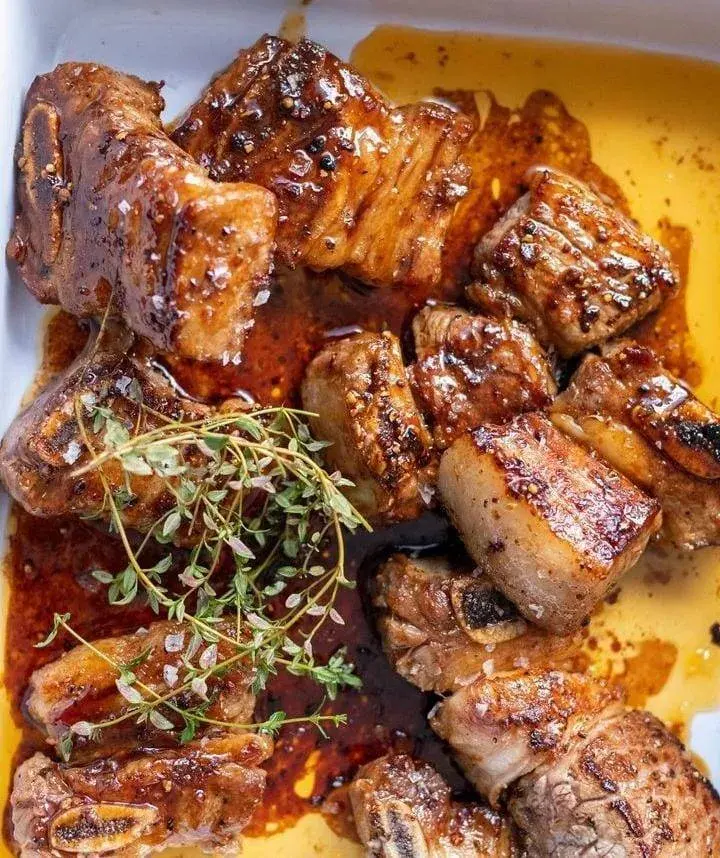
Nyama Choma
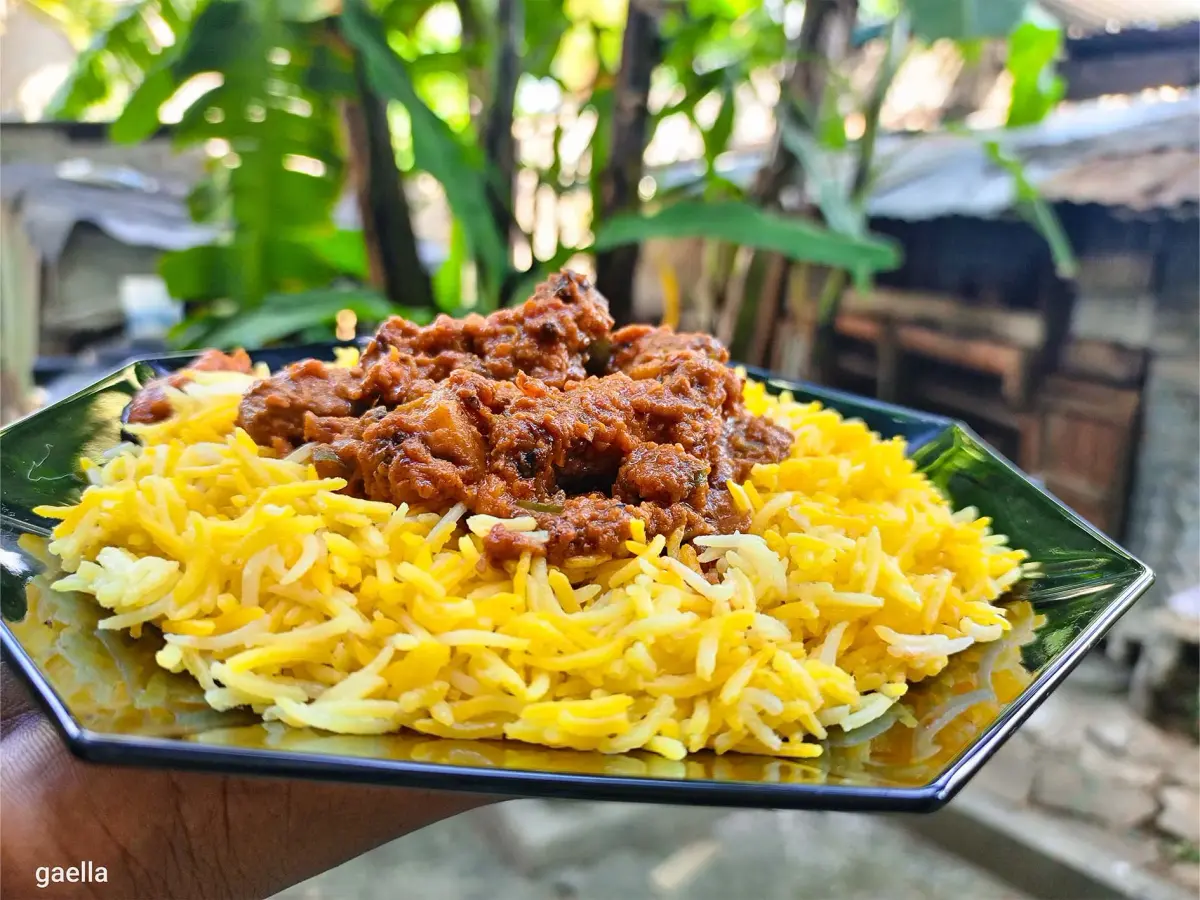
Kenyan Beef Biryani

Dawa
herh, letting the cornmeal fall slowly through your fingers is the exact trick my Kenyan friend taught me! Was struggling to get fine white cornmeal here in Leeds until I checked the Afro shop in Kirkgate market. Most UK supermarkets only sell yellow polenta which completely ruins the texture oo. That 10 minutes steaming at the end on low heat makes it so smooth.
Finding proper fine white cornmeal in Berlin is no be small thing sha, had to trek all the way to Wedding. First time I made this I didn't smash the lumps properly with the spoon so it was a bit grainy, but lowering the heat and letting it pull away from the pot sides fixed everything. E sweet o.
my arm was aching from all that stirring! couldn't find white cornmeal at tesco in birmingham so had to get white maize meal from the Asian grocer in alum rock. that 10 mins steaming step covered on low heat is crucial o, softened it right up without sticking too much to the bottom.
This is just like tuwo masara! My arm almost gave up while stirring to get all the lumps out before covering the pot to steam, but the texture came out so firm and smooth. Paired mine with halal beef and spinach sauce. Really filling meal abeg.
Is salt really necessary though? We never add salt to swallow like this or tuwo masara back home, the soup gives all the flavour. Tried this recipe yesterday and smashed the lumps well well. Very stiff and perfect texture for dipping into stew.