

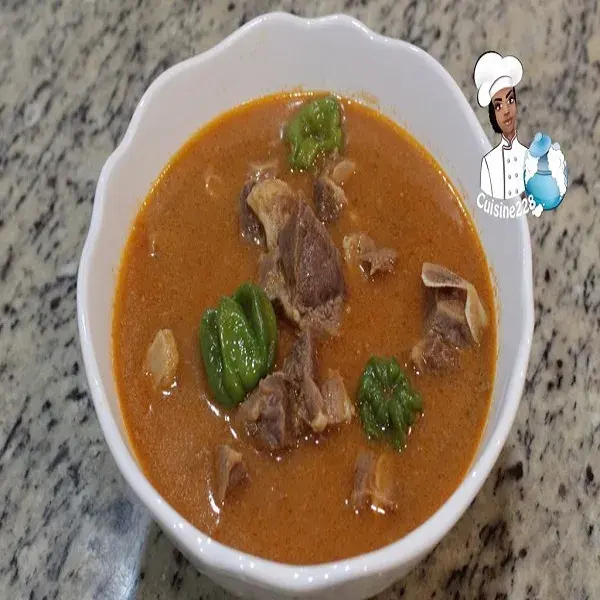
Ivorian Pepper Soup
Aperçu
Pepper soup runs across West Africa and each country handles it differently. The Ivorian version is distinguished by what happens to the vegetables: whole tomato, onion and aubergine go into the pot with the meat and the spices, cook until soft, are lifted out and crushed, and then go back into the broth. That produces a thicker, more textured soup than the clear Nigerian version. The aubergine is the marker. It breaks down into the broth and gives it body, which is not something the Nigerian pepper soups do, and it is what makes the Ivorian version recognisable. Goat is the usual meat, though the dish takes fish, shrimp, tripe, oxtail, chicken and beef equally well, and several can go in the same pot. It occupies the same place in Ivorian life that pepper soup occupies elsewhere in the region: it is what people eat when they are cold, unwell or want something restorative, and it is quick enough for a weeknight at under an hour. It is served with foutou banane, the pounded plantain, or with rice. The heat is adjustable and Ivorians say so openly, though the authentic version is very hot indeed.
Note de Patrimoine AFN
Pepper soup is documented across West Africa in national variations, and the Ivorian preparation is distinguished by cooking tomato, onion and aubergine whole with the meat before crushing them back into the broth. It is also eaten in Togo.
Ingrédients
Les mentions alimentaires sont fournies par les contributeurs à titre indicatif. Elles ne sont pas vérifiées par AFN et dépendent des produits que vous achetez. En cas d’allergie grave, vérifiez vous-même chaque ingrédient. Cuisine, allergies et votre propre jugement
Préparation
- 1
Add the meat to a saucepan and pour in enough water to cover it.
- 2
Add a tablespoon of tomato paste, the garlic and the ginger.
- 3
Add the whole onion, aubergine and tomato.
- 4
Cover and boil for 20 minutes, until the vegetables are well cooked. The meat should be half cooked and tender at this point.
- 5
Remove the vegetables, crush them, and return them to the pot along with the pepper and the stock cube.
- 6
Simmer for 15 minutes and season to taste.
- 7
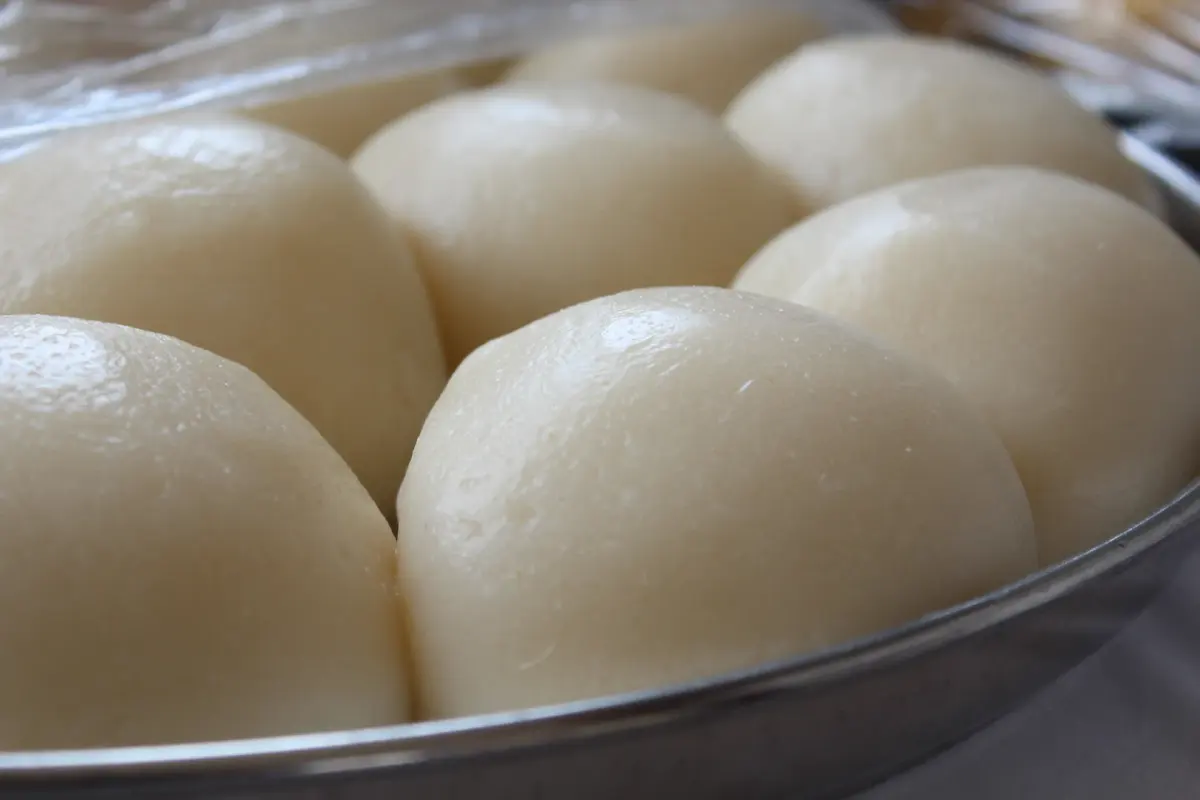
Serve hot with foutou banane or rice.
Notes de l’Africook
- Cook the vegetables whole and crush them afterwards. That is the technique that separates Ivorian pepper soup from the clear Nigerian versions, and dicing them at the start gives a completely different result.
- The aubergine is doing the thickening. Do not leave it out, since without it the soup is thin and loses what makes it Ivorian.
- Leave the peppers whole if you want aroma without full heat, or crush them with the other vegetables if you want the soup properly hot.
- Goat is standard but the soup takes fish, shrimp, tripe, oxtail, chicken and beef equally well, and several proteins can share the pot.
- It keeps a few days refrigerated and freezes for one to two months. Reheat gently on the hob without adding water.
Questions fréquentes
How is Ivorian pepper soup different from the Nigerian version?
The vegetables and the texture. Ivorian pepper soup cooks whole tomato, onion and aubergine with the meat, then crushes them back into the broth, which gives a thicker, more textured soup. Nigerian pepper soups are clear and thin, built on a dry spice blend with no thickening element at all.
What meat can I use?
Goat is the usual choice and what this recipe specifies. Fish, shrimp, tripe, oxtail, chicken and beef all work, and Ivorian cooks frequently combine several in the same pot. Choose cuts that suit a simmer of around 35 minutes, and add quick cooking proteins such as shrimp near the end.
How spicy should it be?
The authentic version is very hot, and Ivorians are direct about that while also saying the heat should be adjusted to whoever is eating. Leaving the peppers whole rather than crushing them gives aroma with far less heat, which is the standard way of moderating it without changing the dish.
What is Ivorian pepper soup served with?
Foutou banane, the pounded plantain, is the Ivorian pairing, and rice is the common alternative. It also works as a light meal on its own. The soup is thick enough to stand up to a starch in a way the thinner Nigerian pepper soups are not.
Avis
5 avis
Made this last night after finding goat meat at an international market here in Nashville. Mashing the whole boiled eggplant and tomato back into the pot felt unusual to me, but it made the broth incredible. Quick question though, should I be using habaneros for the 3 peppers or would regular red bell peppers be better next time?
Herh, boiling the onion tomato and aubergine whole before crushing them is basically how we start our light soup in Ghana, chale! But adding the ginger and garlic right at the beginning with the goat meat gives it a very deep flavour paa. My grandmother always insists on garden eggs instead of aubergine though.
Couldn't find fresh goat meat near my house in Dallas so I bought frozen cabrito from Fiesta Mart and used regular American eggplant for the aubergine. Mashing the boiled veggies back into the pot brought back so many memories. E sweet sha, tasted just like what we had growing up.
Crushing the aubergine back into the broth gave this such a lekker thick texture. Used 1kg of goat stewing meat from Spar, but had to simmer it for another 20 minutes past the time listed because the meat was still quite tough. Will make it again just now for the weekend.
In Nigeria we don't usually put aubergine inside our goat pepper soup, but this Ivorian method of boiling the vegetables whole first then crushing them back in makes the broth so rich. The ginger and garlic aroma e sweet o!