
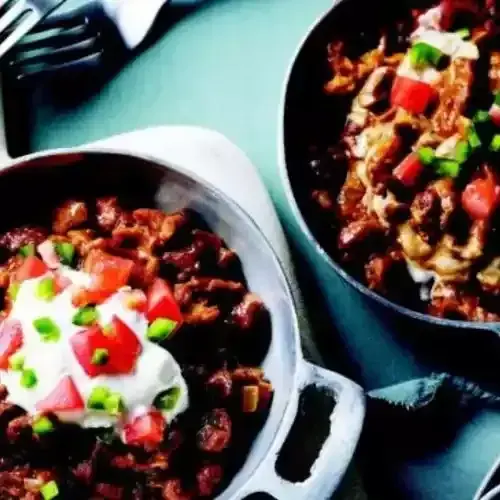
Shahan Ful (Horn of Africa Fava Beans)
London, United Kingdom · Voir toutes les recettes
Aperçu
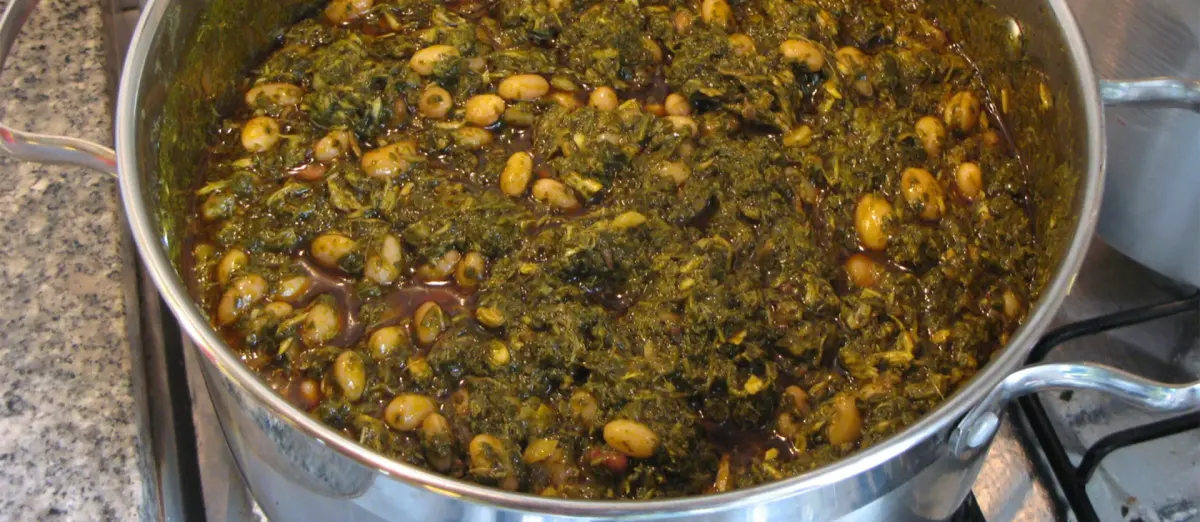
Shahan ful is fava beans cooked down with onion, garlic and berbere until thick, topped with yoghurt, tomato and chilli, and eaten with bread. It is a breakfast across Somalia, Ethiopia, Eritrea, Sudan and South Sudan, and no single country is claimed. It is the same dish family as Egyptian ful medames, and the source is right to say so, the difference is the seasoning. Egyptian ful leans on cumin, lemon and olive oil; shahan ful is built on berbere, the Ethiopian chilli and spice blend, and finished with ghee. That single substitution changes the whole character while the technique stays identical. The origin is generally traced to Sudan, and fava beans themselves are among the oldest cultivated crops in the region, they have been eaten around the Nile for thousands of years. It is eaten by hand with bread, no cutlery, and the toppings are stirred in by whoever is eating rather than mixed by the cook. That is why the method leaves the yoghurt, tomato and chilli in distinct piles on top: each person combines their own. Ramadan and the Ethiopian and Eritrean Lenten fasts are both when it is eaten most, being filling, cheap and, without the ghee and yoghurt, entirely plant-based.
Note de Patrimoine AFN
Shahan ful is a fava bean dish eaten at breakfast across Somalia, Ethiopia, Eritrea, Sudan and South Sudan, generally thought to have originated in Sudan. It belongs to the same family as Egyptian ful medames and is distinguished by the use of berbere. It is eaten during Ramadan and the Lenten fasts.
Ingrédients
Les mentions alimentaires sont fournies par les contributeurs à titre indicatif. Elles ne sont pas vérifiées par AFN et dépendent des produits que vous achetez. En cas d’allergie grave, vérifiez vous-même chaque ingrédient. Cuisine, allergies et votre propre jugement
Préparation
- 1
Warm the oil in a medium saucepan over medium heat. Put in the onion and garlic and cook, turning often, until softened, about 7 minutes.
- 2
Mix in the berbere, black pepper and cumin and cook for a minute so the spices bloom in the oil.
- 3
Tip in the fava beans with all their liquid and cook, turning often, for 10 minutes.
- 4
Lower the heat and cook, turning constantly, until the mixture is very thick, about 5 minutes. If the beans have not broken down, mash them against the side of the pan with a wooden spoon.
- 5
Mix in the ghee if using, then take the pan off the heat.
- 6
Divide the beans between two bowls.
- 7
Top each with a large dollop of yoghurt, a pile of diced tomato and a pile of chilli, kept separate rather than mixed in.
- 8
To eat, stir the toppings through the beans yourself and scoop it up with bread.
Notes de l’Africook
 Notes personnelles de Nympha Nzeribe
- Bloom the berbere in the oil before the beans go in. A minute in hot fat is what releases its flavour.
- Keep the bean liquid. It is what the dish thickens into, and draining it leaves you with dry beans.
- Mash the beans against the pan if they hold their shape. Shahan ful should be a rough paste rather than whole beans in liquid.
- Leave the toppings in separate piles. Each person mixes their own, which is how it is served.
- Leave out the ghee and yoghurt for a fully plant-based version, which is how it is eaten during the Ethiopian and Eritrean fasts.
- It is eaten with bread and no cutlery, so serve plenty.
Questions fréquentes
How is this different from ful medames?
The seasoning, not the technique. Both are fava beans cooked down until thick and eaten with bread for breakfast. Egyptian ful medames leans on cumin, lemon juice and olive oil; shahan ful is built on berbere, the Ethiopian chilli and spice blend, and finished with ghee. That single change gives a completely different character while the method stays identical. Ful medames has its own recipe on this site.
What is berbere?
The foundational Ethiopian and Eritrean spice blend: dried chillies, garlic, ginger, fenugreek, cardamom, cloves and cinnamon among others, in proportions that vary by household. It is what gives shahan ful its heat and depth, and it is used across Ethiopian cooking generally. It is sold ready-blended at Ethiopian grocers and online, and there is no straightforward substitute, chilli powder alone will not do it.
Why are the toppings kept separate?
Because each person mixes their own. The yoghurt, tomato and chilli are set on top in distinct piles rather than stirred through by the cook, and whoever is eating combines them to their own taste as they go. It also means people can take more or less chilli. This is how the dish is served across the region, and mixing everything in beforehand loses both the look and the choice.
Is it eaten during fasting?
Very much so. It is popular during Ramadan and during the Ethiopian and Eritrean Orthodox Lenten fasts, which are extensive and require abstaining from all animal products. Without the ghee and the yoghurt, shahan ful is entirely plant-based, cheap, filling and high in protein, which is exactly what a fasting breakfast needs to be. That combination is a large part of why it is so widely eaten.
Avis
Soyez le premier à noter cette recette
Vous l’avez cuisinée ? Votre note aide la personne suivante à se décider.
Aucun avis sur cette recette pour le moment. Si vous l’avez cuisinée, le vôtre serait le premier.