
Piri Piri Sauce
London, United Kingdom · Voir toutes les recettes
Aperçu
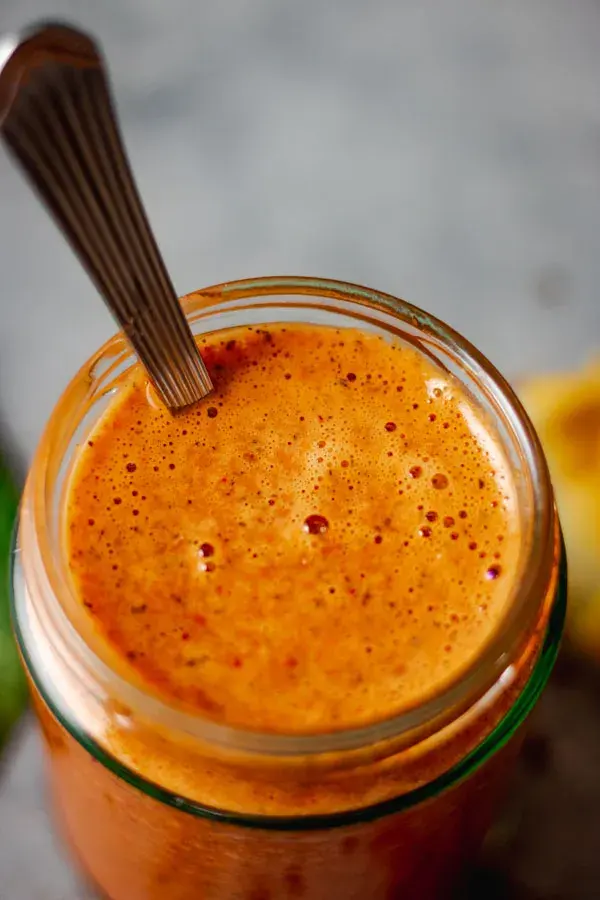
Bird's eye chillies blended with red pepper, garlic, oregano, bay, lemon and vinegar into a hot sauce. No single country is claimed, and there is a good reason for that. **The source's origin claim is wrong and needs correcting.** It says piri piri originated in the Caribbean. It did not. Chillies as a genus came from the Americas and were carried worldwide by Portuguese and Spanish traders after 1492, but the piri piri chilli itself is what those chillies became after they were planted in Portuguese southern Africa, chiefly Mozambique and Angola, where the small, fiercely hot bird's eye variety developed. The name is Swahili: *pili pili* simply means pepper, doubled for emphasis. That history is why the sauce belongs on this site rather than in a European section. It is a genuinely African product that travelled back to Portugal, not a European one imported into Africa. Its association with Portuguese and South African restaurant chains has obscured that. The source also says the English call it piri piri while the Portuguese call it peri peri. Both spellings are used in both languages; the variation is transliteration, not nationality. The method mentions onion, which appears nowhere in the ingredients.
Note de Patrimoine AFN
Piri piri, also spelt peri peri, is a small, very hot chilli that developed in Portuguese southern Africa, principally Mozambique and Angola, from chillies brought from the Americas. The name comes from the Swahili pili pili, meaning pepper. The sauce made from it is used across southern Africa and Portugal.
Ingrédients
Les mentions alimentaires sont fournies par les contributeurs à titre indicatif. Elles ne sont pas vérifiées par AFN et dépendent des produits que vous achetez. En cas d’allergie grave, vérifiez vous-même chaque ingrédient. Cuisine, allergies et votre propre jugement
Préparation
- 1
Roughly chop the red bell pepper and the chillies.
- 2
Put all the ingredients into a blender or food processor.
- 3
Blend to a purée.
- 4
Taste and adjust the salt and seasoning.
- 5
This makes about 2 cups.
- 6
Use straight away, or store in an airtight container in the fridge.
Notes de l’Africook
 Notes personnelles de Nympha Nzeribe
- Wear gloves. Bird's eye chillies are extremely hot and the capsaicin transfers readily to skin and then to eyes.
- The red bell pepper is doing volume and sweetness work, not heat. It is what makes this a sauce rather than a paste.
- Adjust the chilli to taste, bird's eye chillies vary enormously between individual pods.
- The vinegar and lemon are preservative as well as flavour. Do not reduce them if you want the sauce to keep.
- It improves after a day or two in the fridge as the garlic and oregano infuse the oil.
- It works as a marinade as much as a table sauce, particularly on chicken and prawns.
Questions fréquentes
Where does piri piri actually come from?
Southern Africa. Chillies as a genus came from the Americas and were carried around the world by Portuguese and Spanish traders after 1492, but the piri piri chilli is what those chillies became once they were planted in Portuguese southern Africa, chiefly Mozambique and Angola, where the small, fiercely hot bird's eye variety developed. The source's claim that it originated in the Caribbean is incorrect and has been corrected here.
Is it piri piri or peri peri?
Both, and the difference is transliteration rather than language. The name comes from Swahili, in which pili pili simply means pepper, doubled for emphasis, a common construction in Bantu languages. English, Portuguese and Afrikaans speakers all use both spellings, and you will also see pili pili and peri-peri. The source's claim that English uses one and Portuguese the other does not hold up.
How hot is it?
Very. Bird's eye chillies sit well above jalapeños on the Scoville scale, and this recipe uses four or five of them plus three mixed chillies and a tablespoon of flakes. The red bell pepper adds volume and sweetness rather than heat, which softens the overall effect, but this is still a serious hot sauce. Start with fewer chillies if you are unsure, you can always blend more in.
How long does it keep?
Several weeks refrigerated in a sealed container. The vinegar and lemon juice are doing preservative work as well as contributing acidity, so reducing them shortens its life considerably. It improves over the first day or two as the garlic and oregano infuse into the oil. Use a clean spoon each time you serve from the jar, and keep it cold rather than on the counter.
Avis
Soyez le premier à noter cette recette
Vous l’avez cuisinée ? Votre note aide la personne suivante à se décider.
Aucun avis sur cette recette pour le moment. Si vous l’avez cuisinée, le vôtre serait le premier.
Vous Aimerez Aussi
Papaya Smoothie for Weight Loss
Mozambique Matapa Recipe
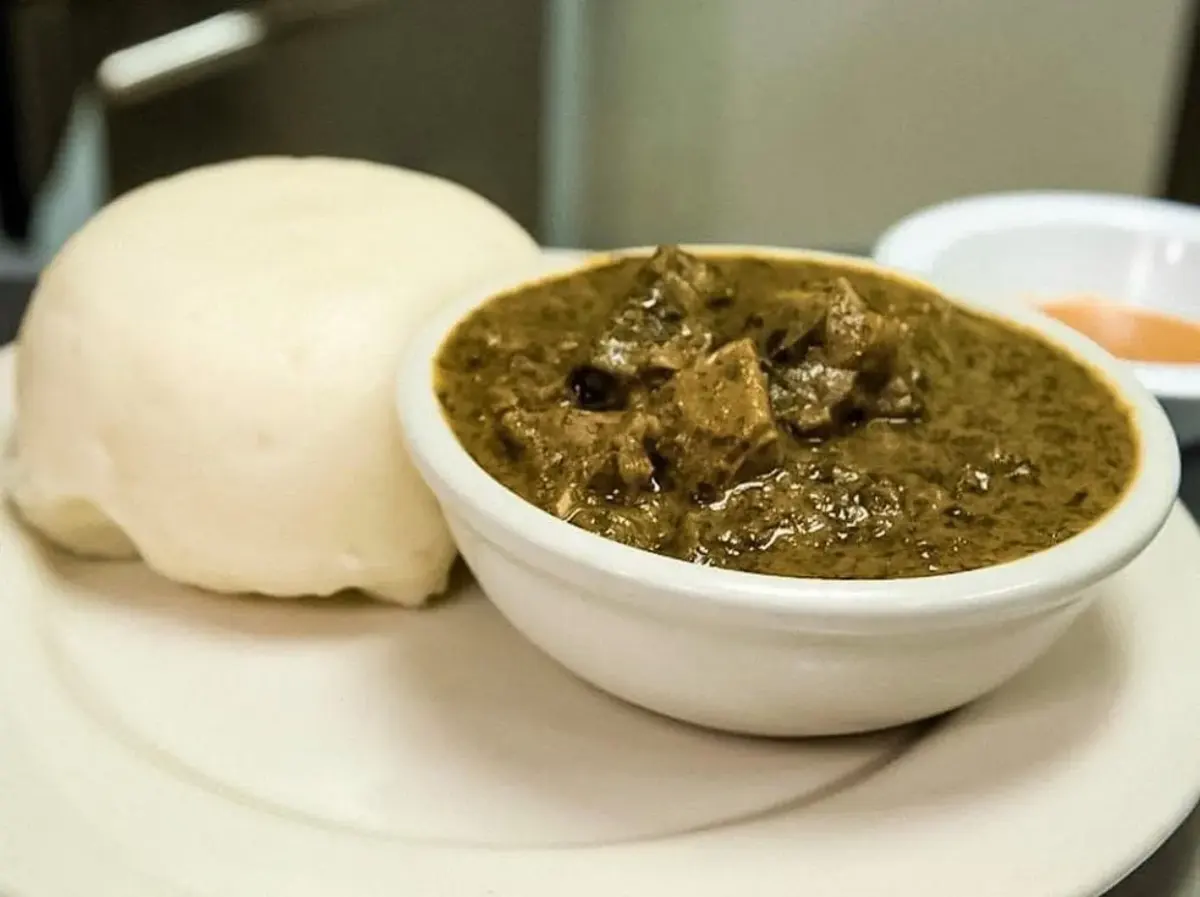
Isombe