
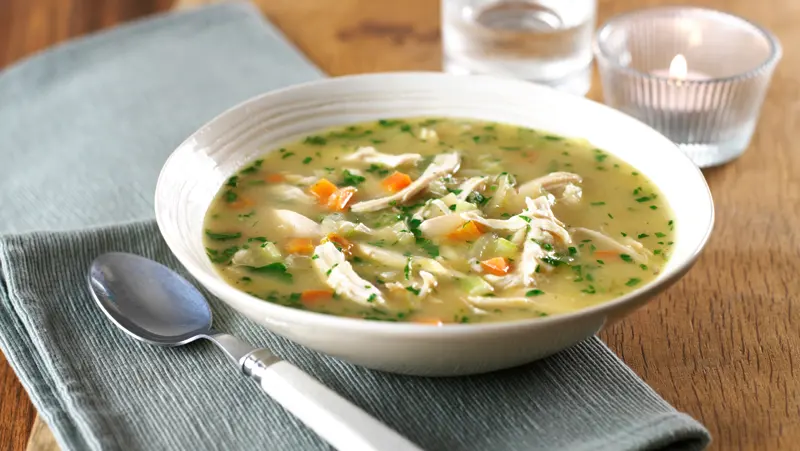
Chicken Soup
London, United Kingdom · Voir toutes les recettes
Aperçu
Chicken soup is chicken simmered in water with vegetables and aromatics, and it exists in more or less every cuisine that keeps chickens. Its reputation as a remedy for colds is genuinely cross-cultural and unusually persistent. Every version of it, Jewish, Chinese, Greek, West African, Latin American, carries some form of the same claim, which is a reasonable indication that people have found it useful for a long time. Warm liquid, salt and steam all plausibly help someone with a cold feel better, whatever else is going on. The technique is entirely about the broth. A good chicken soup is made by simmering gently rather than boiling, a hard boil emulsifies the fat into the liquid and turns it cloudy and greasy. Skimming the surface in the first twenty minutes removes the scum that would otherwise cloud it further. Bones matter more than meat. A carcass, wings or thighs give far more body than breast, because collagen from the bones and joints is what gives broth its weight. **Filed as Worldwide.** Chicken soup belongs to no single cuisine, and the recipe as written makes no particular national claim.
Note de Patrimoine AFN
Chicken soup appears across virtually every cuisine that keeps poultry, and its association with treating colds and influenza is documented across many unrelated food cultures.
Ingrédients
Les mentions alimentaires sont fournies par les contributeurs à titre indicatif. Elles ne sont pas vérifiées par AFN et dépendent des produits que vous achetez. En cas d’allergie grave, vérifiez vous-même chaque ingrédient. Cuisine, allergies et votre propre jugement
Préparation
- 1
Put the bones and carcass from a leftover chicken (they can be in pieces) in a large pot. Cover with the broth and 4 cups water. Bring to a boil over medium-high heat, reduce to a simmer and cook for 20 minutes. Skim any foam or fat from the broth with a ladle as necessary.
- 2
Remove the bones and carcass with tongs or a slotted spoon; set aside to cool. Add the carrots, celery, onion and bay leaf to the broth, bring back to a simmer and cook until the vegetables are about half cooked (they will still have resistance when tested with a knife but be somewhat pliable when bent), about 10 minutes. Stir in the rice (to keep it from sticking to the bottom), and cook until the grains are just al dente, 10 to 12 minutes.
- 3
Meanwhile, when the carcass and bones are cool enough to handle, pick off the meat, and shred it into bite-size pieces.
- 4
When the rice is done, add the meat to the broth and simmer until warmed through, about 1 minute. Stir in the parsley, and season with 1/2 teaspoon salt or more to taste. Serve hot.
Notes de l’Africook
 Notes personnelles de Nympha Nzeribe
- Simmer gently, never boil. A hard boil turns the broth cloudy and greasy and it cannot be reversed.
- Skim the surface during the first twenty minutes to keep it clear.
- Use bones, a carcass, wings or thighs, rather than breast alone. Collagen is what gives broth body.
- Add delicate vegetables and herbs near the end so they do not disintegrate.
Questions fréquentes
Why is my broth cloudy?
It was boiled rather than simmered. A rolling boil breaks the fat into the liquid and emulsifies it, which clouds the broth permanently. Keep it at a bare simmer with only occasional bubbles, and skim the surface in the first twenty minutes to remove the scum that also causes cloudiness.
Which part of the chicken gives the best soup?
Bony cuts. A carcass, wings, thighs or drumsticks give far more body than breast meat, because the collagen in bones and joints breaks down into gelatine and gives the broth weight. Breast alone produces a thin broth with little character, however much of it you use.
Does chicken soup actually help with a cold?
The belief is remarkably widespread across unrelated cultures, which is at least suggestive. Warm fluid, salt and steam plausibly help with hydration and congestion, and it is easy to eat when appetite is poor. Whether it does more than that is not something a recipe page should claim.
Avis
Soyez le premier à noter cette recette
Vous l’avez cuisinée ? Votre note aide la personne suivante à se décider.
Aucun avis sur cette recette pour le moment. Si vous l’avez cuisinée, le vôtre serait le premier.
Vous Aimerez Aussi
Voir toutes les recettes South Africa →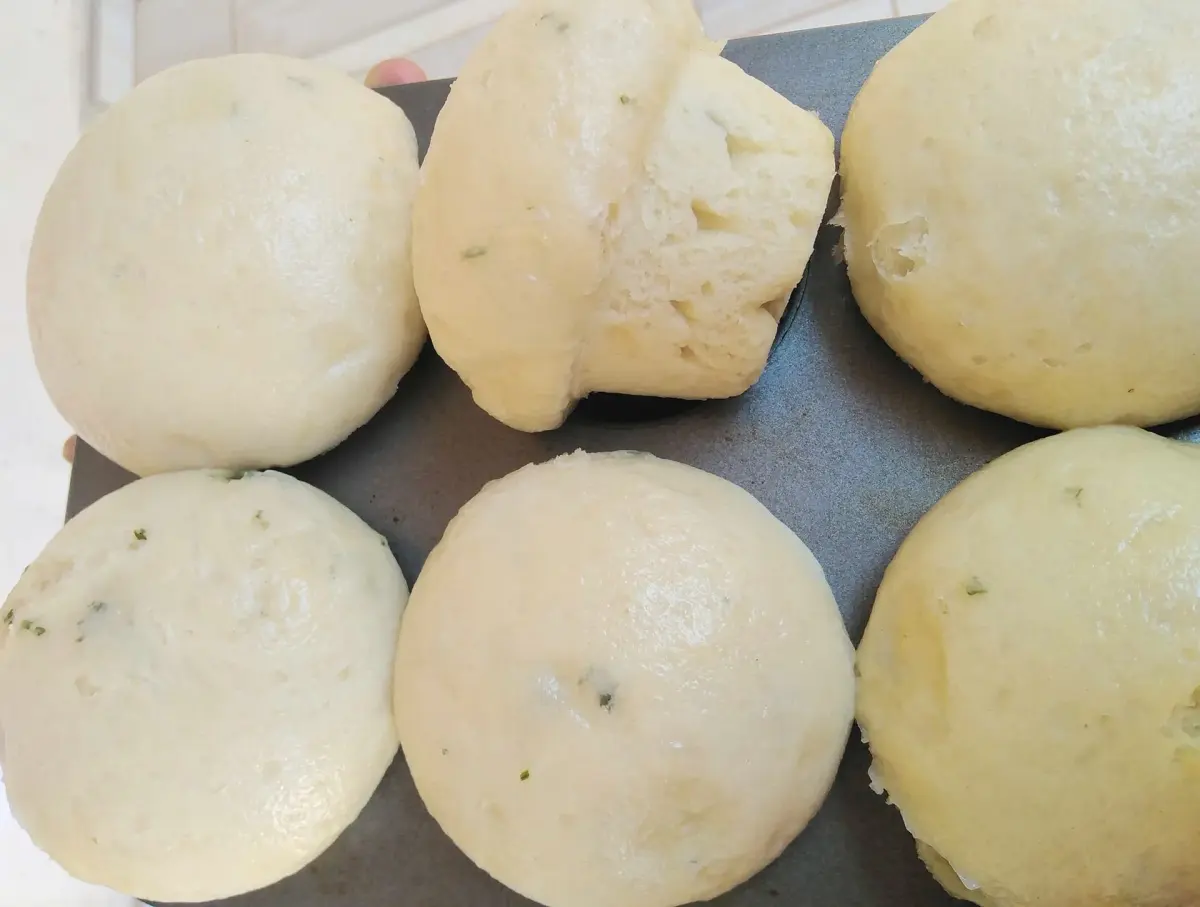
Dombolo (Dumplings or Steamed Bread)
Boeber (Cape Malay Sweet Milk Drink)