

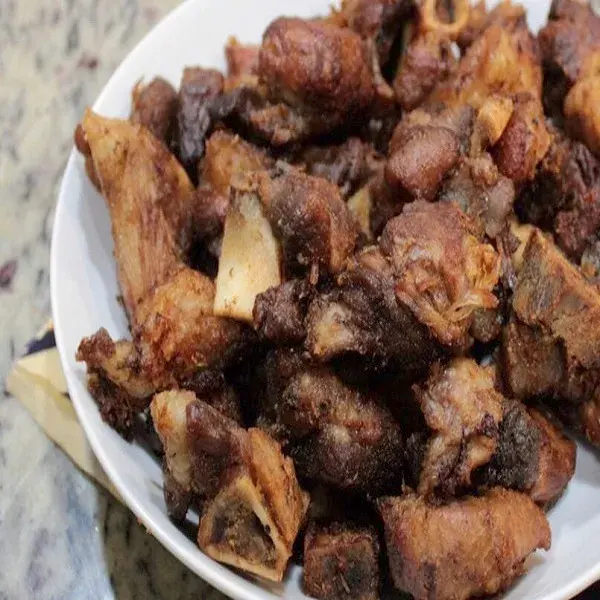
Haitian Pork Griot
Aperçu
Griot is Haiti's national dish and one of the clearest examples of West African cooking surviving the Atlantic crossing and becoming something new. Pork shoulder is cut into large chunks, marinated in citrus and aromatics, simmered until tender, then deep fried until the outside is dark and crisp while the inside stays soft. The technique of boiling meat and then frying it is found across West Africa, and the marinade that makes griot what it is comes from the same lineage. Haitians call it epis, a green paste of herbs, garlic, peppers and citrus that is kept in the fridge and used as the base of almost everything. It functions exactly as nokoss does in Senegal or as a blended pepper mix does in Nigeria, and the resemblance is not coincidental. The washing of meat in sour orange or lime rather than water is also carried over, a practice that persists across the African diaspora in the Caribbean. Griot is served with pikliz, a fiercely hot pickled cabbage and carrot relish whose acidity cuts the richness of the fried pork, and with fried plantain. This particular version pairs it with jollof rice, which is a deliberate West African framing rather than the Haitian standard.
Note de Patrimoine AFN
Griot belongs to the Haitian culinary tradition formed by enslaved West and Central Africans brought to Saint-Domingue, and its technique of simmering then frying meat, and of washing meat in citrus rather than water, are documented practices carried from West Africa across the Atlantic.
Ingrédients
Les mentions alimentaires sont fournies par les contributeurs à titre indicatif. Elles ne sont pas vérifiées par AFN et dépendent des produits que vous achetez. En cas d’allergie grave, vérifiez vous-même chaque ingrédient. Cuisine, allergies et votre propre jugement
Préparation
- 1
Marinate the pork with the lime juice, salt, bouillon, garlic, ginger, onion, thyme and scotch bonnet if using.
- 2
Cover and rest in the fridge for about 2 hours, or preferably overnight.
- 3
Transfer to a saucepan over medium heat, bring to a boil and simmer until tender, about an hour or more.
- 4
Once the pork is tender, lift it out of the liquid and pick off any bits of herb or spice. Set the pork aside.
- 5
Strain the cooking liquid and reserve it, discarding the solids.
- 6
Heat oil to 180°C and fry the pork until crisp and dark golden.
- 7
Drain and serve hot with pikliz and fried plantain.
Notes de l’Africook
- Marinate overnight if you can. Two hours works, but the citrus and garlic need longer to get past the surface of large chunks.
- Dry the simmered pork thoroughly before it goes into the oil. Wet meat spits violently and will not crisp.
- Keep the strained cooking liquid. It is heavy with flavour and makes an excellent base for rice cooked alongside.
- Do not crowd the fryer. Crowding drops the oil temperature and the pork steams instead of crisping.
- Pikliz is not optional in Haiti. The sharp pickled cabbage and chilli is what cuts through the fried pork, and griot without it is unbalanced.
Questions fréquentes
What is epis and how is it related to West African cooking?
Epis is the Haitian seasoning base: a green paste of parsley, thyme, garlic, peppers, onion and citrus, kept refrigerated and used to start most savoury dishes. It functions exactly as nokoss does in Senegal or a blended pepper mix does in Nigeria. The resemblance reflects the West African origins of much Haitian cooking rather than coincidence.
Why is the pork washed in citrus rather than water?
It is a practice carried from West Africa and maintained across the Caribbean, originally where clean water was not reliably available. Sour orange or lime cleans the meat, tenderises it and acts as a freshness test: pork that still smells off after a citrus wash should not be cooked. It also cuts the cooking time.
What is pikliz?
Pikliz is the Haitian pickled relish of cabbage, carrot and scotch bonnet in vinegar, fiercely hot and sharply acidic. It is the standard accompaniment to griot and its job is to cut the richness of the fried pork. It keeps for weeks refrigerated and improves as it sits.
Do I have to fry it after simmering?
Yes, that is what makes it griot rather than stewed pork. The simmering makes the meat tender and the frying gives the dark, crisp exterior that the dish is defined by. An air fryer or a very hot oven will get you part of the way if you would rather not deep fry, though neither matches the result.
Avis
2 avis
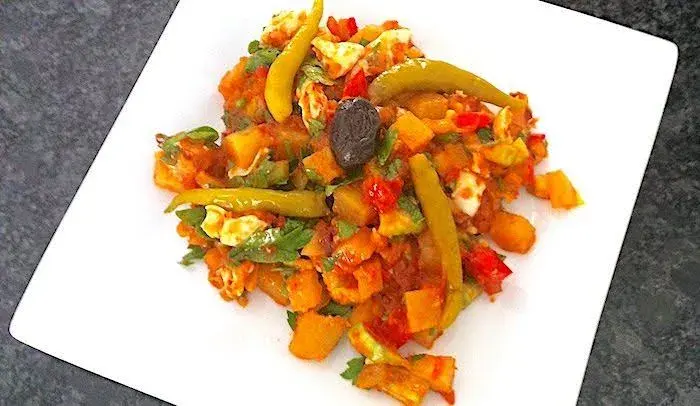
Left the pork shoulder in the lime juice and crushed scotch bonnet overnight in the fridge. Finding proper fresh thyme at the shop here in the UK was a hassle so i used extra garlic sha. Boiling it in the broth first makes the meat soft inside before frying, e sweet no be small thing o. Just make sure you strain that liquid properly so the bits dont burn in the oil.
Boiled 1.5kg of pork for about 70 minutes until tender before crisping it up in the oil. Used two Knorr chicken stock cubes instead of the powder and extra lime juice. Extremely lekker flavour with the thyme, though I had to skim quite a bit of oil off the strained cooking liquid before using it. Will try it over the braai coals next time.