
Cold Guinea Fowl
Aperçu
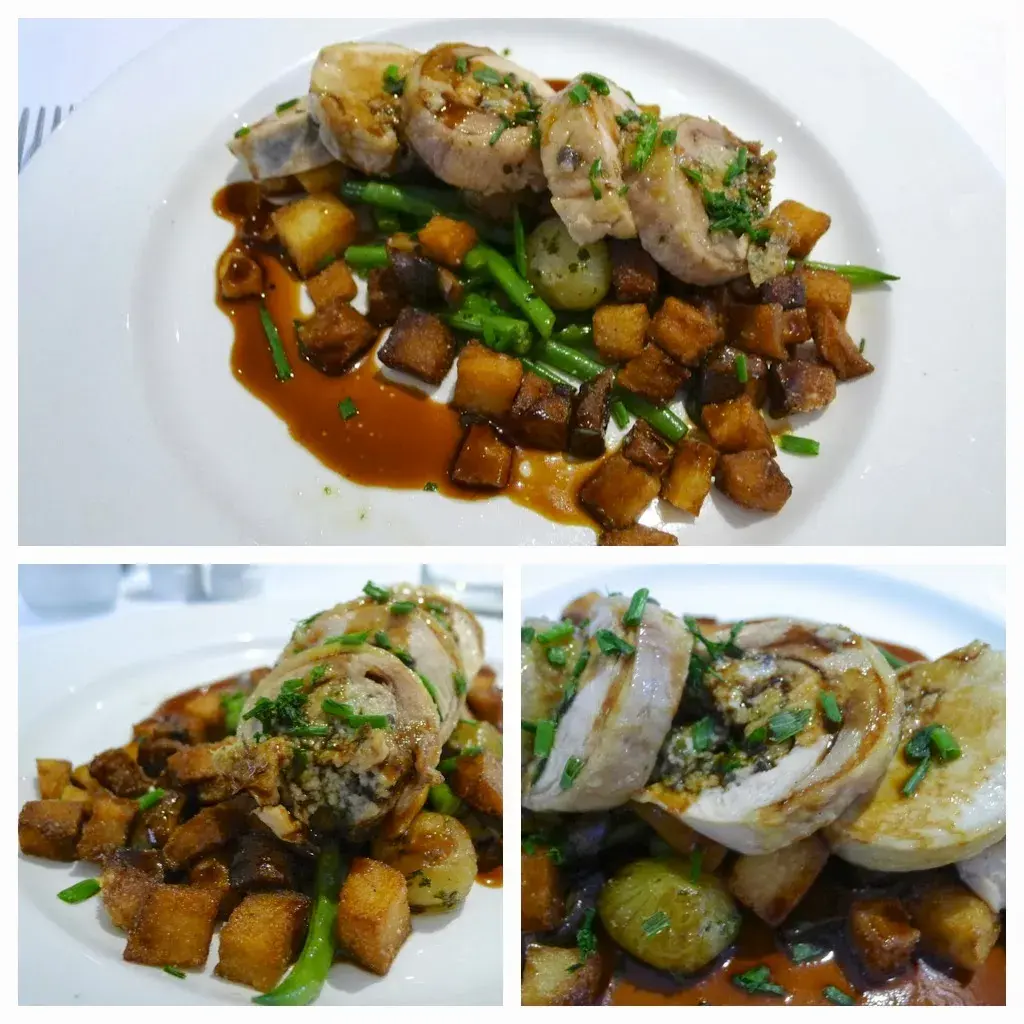
Whole guinea fowl cooked slowly in orange and apple juice with garlic and pepper, then browned in a hot oven, cooled, carved and served cold. The source places it in Ivory Coast. Guinea fowl is West African, and that is the useful thing to know here. The bird is native to the region, its English name comes from the Guinea coast, and it was carried to Europe by Portuguese traders in the sixteenth century, where French and Italian producers have since become among the largest in the world. So a guinea fowl recipe from Ivory Coast is the bird in its home rather than an import. It cooks differently from chicken and the difference is fat. Guinea fowl carries roughly half as much, and it is a slightly smaller bird, so it dries out easily. This recipe answers that directly: it is poached slowly in a large quantity of liquid for an hour and a half or more before it ever meets dry heat, and the browning at the end is brief. That order is the whole design, and reversing it would produce something tough. Serving it cold is a genuine choice rather than a leftovers strategy. Cold poultry with fruit and salad is a summer and celebration format, and the source suggests Sunday lunch or a small Christmas dinner.
Note de Patrimoine AFN
Guinea fowl is native to West Africa and takes its English name from the Guinea coast. Portuguese traders carried it to Europe in the sixteenth century, and France and Italy are now among the largest producers. The bird carries about half the fat of a chicken and is smaller.
Ingrédients
Les mentions alimentaires sont fournies par les contributeurs à titre indicatif. Elles ne sont pas vérifiées par AFN et dépendent des produits que vous achetez. En cas d’allergie grave, vérifiez vous-même chaque ingrédient. Cuisine, allergies et votre propre jugement
Préparation
- 1
Season the guinea fowl inside and out with salt and the garlic cloves, leaving some inside the cavity and tucking others under the skin. Put the bird in a large pan.
- 2
Combine the apple, orange and lemon or lime juices with the black pepper and pour the mixture over the bird.
- 3
Cover and cook gently for 1 1/2 to 2 hours, turning the bird from time to time.
- 4
Top up with more apple juice or a little chicken stock as needed, so there is always enough liquid to keep the bird from catching and to cook it through.
- 5
Set the oven to 450°F / 240°C.
- 6
Once the bird is cooked, lift it out of the cooking liquid and brush it all over with the vegetable oil mixed with the orange extract and oil.
- 7
Put it in a roasting pan and brown it quickly in the hot oven, this is for colour only and should take minutes rather than longer.
- 8
Take it out, let it cool completely, then carve.
- 9
Garnish with orange and pineapple slices and serve cold with a green salad.
Notes de l’Africook
- Poach first, brown second. Guinea fowl has about half the fat of chicken and roasting it from raw dries it out badly.
- Keep the bird in liquid throughout the long cook. Topping up with juice or stock is part of the method, not a rescue.
- The final browning is for colour only. A few minutes in a very hot oven is enough; longer undoes the poaching.
- Cool it completely before carving. Carving warm poultry that is going to be served cold tears the flesh and dries it.
- Chicken can be substituted directly, and needs slightly less time because it is fattier and more forgiving.
- The poaching liquid is worth keeping. Reduced, it makes a good sauce, though this dish is served without one.
Questions fréquentes
Where does guinea fowl come from?
West Africa, its English name comes from the Guinea coast, and it has been eaten across the region for a very long time. Portuguese traders carried it to Europe in the sixteenth century, and France and Italy are now among the largest producers in the world. That means a West African guinea fowl recipe is the bird at home rather than an adopted European ingredient, which is worth knowing given how often it is described as a French speciality.
How is it different from chicken?
It is smaller and carries roughly half the fat, with a slightly gamey flavour that sits between chicken and pheasant. The low fat content is the practical difference: guinea fowl dries out far more readily, so it needs either moist cooking, careful basting or shorter cooking times. This recipe deals with it by poaching the bird for an hour and a half before browning it, which is a sound approach for the cut.
Why serve it cold?
Because it is intended as a cold dish rather than as leftovers. Cold poultry with fruit and salad is a recognised format for summer meals and celebrations, and the source suggests Sunday lunch or a small Christmas dinner. Cooking it in fruit juice supports that, the flavour is fruity and slightly sweet, which works better cold than a savoury roast would. Let it cool fully before carving.
Can I use chicken instead?
Yes, and it substitutes directly. Chicken is fattier and more forgiving, so it will need a little less time in the poaching liquid and is less likely to dry out at the browning stage. A bird of similar size is the right comparison, guinea fowl is smaller than most supermarket chickens, so either buy a small chicken or extend the timings slightly. The method itself needs no changes.
Avis
Soyez le premier à noter cette recette
Vous l’avez cuisinée ? Votre note aide la personne suivante à se décider.
Aucun avis sur cette recette pour le moment. Si vous l’avez cuisinée, le vôtre serait le premier.
Vous Aimerez Aussi
Voir toutes les recettes Ivory Coast →
Baked Plantain Loaf
Kedjenou (Ivorian Sealed-Pot Chicken)
Rice and Offal Balls