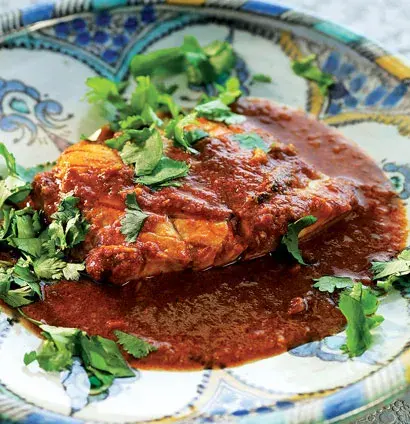


Libyan Mafrum
Abuja, Nigeria · Voir toutes les recettes
Aperçu
Mafrum is spiced minced beef sandwiched inside a slit potato, floured, egged, fried and then cooked through in a red tomato sauce. It comes from the Jewish community of Libya, and it is among the most distinctive dishes in North African Jewish cooking. The construction is what makes it. Each potato is sliced most of the way through so it opens like a book, and the meat is packed into that opening before the whole parcel is coated and fried. Aubergine and cauliflower are used in the same way and are equally traditional, and some versions substitute them entirely. Nothing is wasted: the potato offcuts go into the sauce. Two details mark its origins. Matzo meal appears as an alternative to breadcrumbs in both the filling and the coating, which reflects the dish's Jewish provenance and its place at Passover. Cinnamon and nutmeg in a savoury minced beef filling is a North African and Sephardi combination rather than a European one. The contributor is direct that this is weekend cooking rather than a weeknight dish: an hour of preparation and two hours of cooking. It is served with couscous.
Note de Patrimoine AFN
Mafrum comes from the Jewish community of Libya and consists of spiced minced beef enclosed in potato, aubergine or cauliflower, fried and then cooked in a tomato sauce. Matzo meal appears in traditional versions, reflecting its place in the Jewish kitchen.
Ingrédients
Préparation
- 1Mix the filling ingredients together
the beef, breadcrumbs or matzo meal, grated onion, cinnamon, nutmeg, salt and pepper.
- 2
Peel the potatoes and slice them lengthways into rounds about 1cm thick. Slice each round again lengthways but leave the two halves joined, so they open into a V shape. Keep the potato offcuts.
- 3
Divide the filling between the potato slices and shape it into large meatballs. Fill each potato slice to get a triangular shape.
- 4
Put the flour in one bowl and the beaten eggs mixed with salt in another. Dip each mafrum in flour, then in egg, and set on a tray.
- 5
Heat oil in a non-stick frying pan over medium-high heat and fry the mafrum on both sides, in 2 or 3 batches. Return them to the tray.
- 6
In a large lidded pan that will hold all the mafrum, heat the olive oil over medium heat. Add the carrots, garlic and potato offcuts and fry for a couple of minutes.
- 7
Add the tomato paste and paprika and fry a minute more.
- 8
Add 2 cups of boiling water and mix into a smooth sauce. Season with salt, then arrange the mafrum in the sauce.
- 9
Bring to the boil, lower the heat to minimum, cover and cook for 30 minutes.
- 10
Remove the lid and cook a further 15 minutes.
- 11
Serve the mafrum with its sauce over couscous.
Notes de l’Africook
- Do not cut the potato all the way through. It has to stay hinged so it opens like a book and holds the filling, and a slice cut in two is much harder to work with.
- Keep the potato offcuts. They go into the sauce, which is both thrifty and what thickens it.
- Flour then egg, in that order. The flour gives the egg something to grip; egg straight onto wet potato slides off in the pan.
- Fry in batches without crowding. Crowded parcels stick together and the coating tears.
- Aubergine and cauliflower are equally traditional and can replace the potato entirely for a vegetable version.
- This is weekend cooking. An hour of preparation and two hours cooking is what it takes, and rushing the assembly is where it goes wrong.
Questions fréquentes
What is mafrum?
A Libyan dish of spiced minced beef enclosed inside a slit potato, coated in flour and egg, fried, then cooked through in a tomato sauce. Aubergine and cauliflower are used the same way and are equally traditional. It comes from the Jewish community of Libya and is a celebrated dish in North African Jewish cooking.
Why is matzo meal listed as an option?
Because the dish comes from the Libyan Jewish kitchen, and matzo meal replaces breadcrumbs and flour during Passover, when leavened grain is not eaten. Using breadcrumbs and ordinary flour is entirely standard the rest of the year, and the recipe gives both.
Can I make it vegetarian?
The filling is the meat, so not straightforwardly. What you can do, as the source suggests, is make the same dish using aubergine and cauliflower as the vegetables and fill them with a seasoned vegetable or lentil mixture. The frying and tomato sauce method stays exactly the same.
What is it served with?
Couscous, which soaks up the sauce, and that is what the recipe specifies. Bread works for the same reason. It is substantial enough that nothing else is needed, and it is usually served as the centre of a weekend or festive meal rather than alongside other dishes.
Avis
Soyez le premier à noter cette recette
Vous l’avez cuisinée ? Votre note aide la personne suivante à se décider.
Aucun avis sur cette recette pour le moment. Si vous l’avez cuisinée, le vôtre serait le premier.
Vous Aimerez Aussi
Voir toutes les recettes Libya →
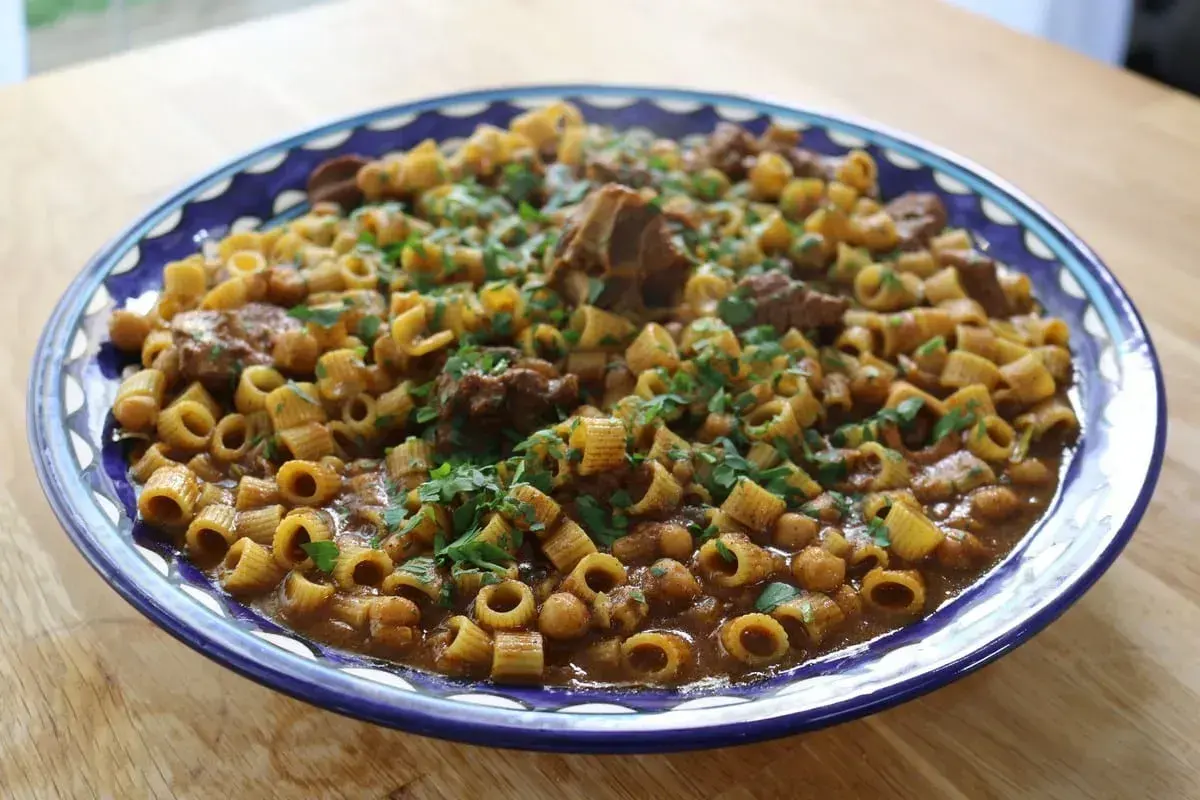
Mbakbaka (Libyan Pasta Stew)
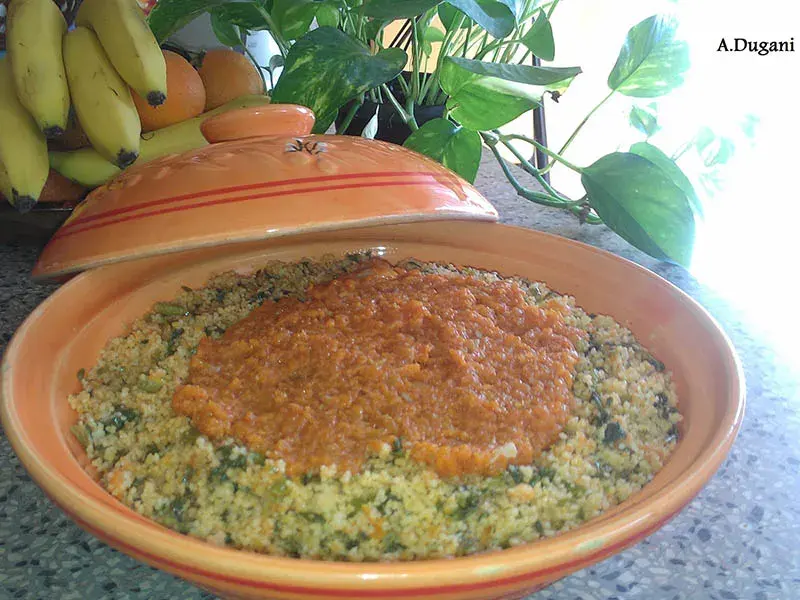
Aslooz (Libyan Couscous-Based Dish)