


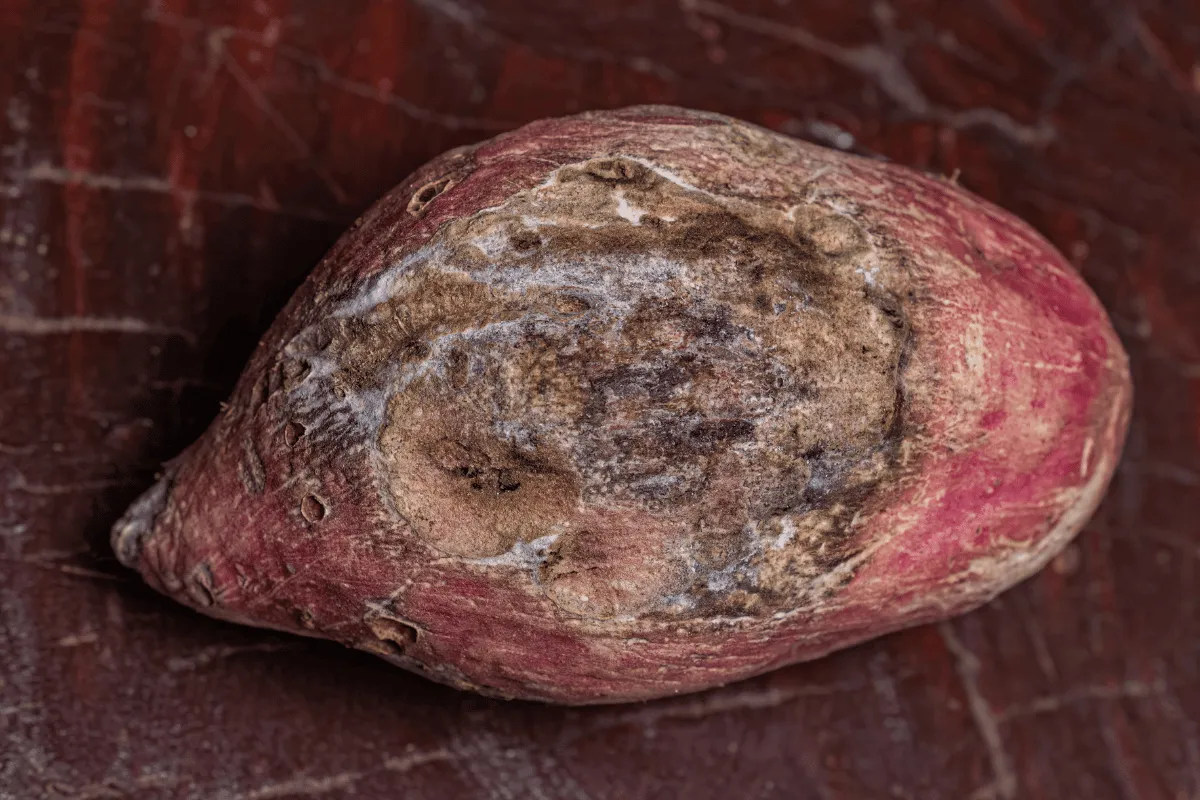
How to tell if a sweet potato is bad - The most obvious signs that a sweet potato has gone bad are soft or mushy spots, a rotten smell, or oozing liquid coming from the potato. These are clear indications that spoilage bacteria or fungi have taken hold, and the potato should be discarded.
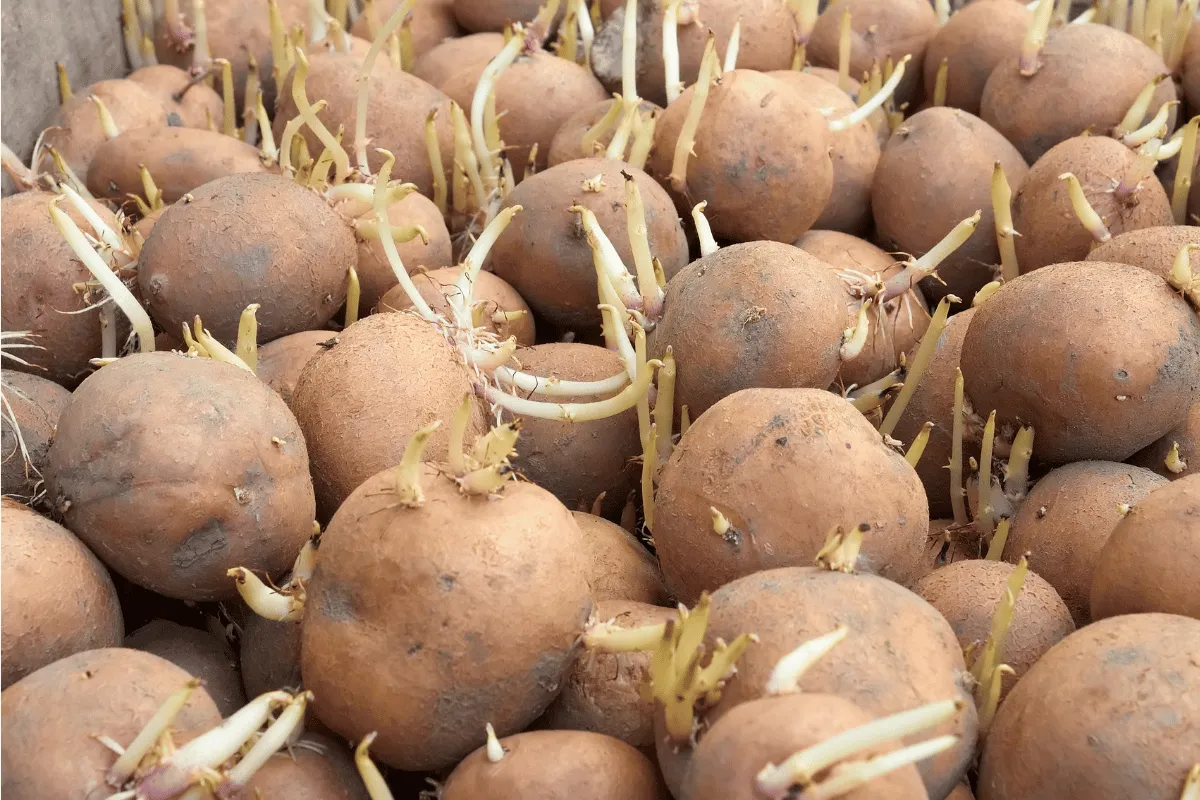
Another signal the sweet potato is past its prime is the growth of stalky purple sprouts. Though sprouts themselves are not toxic, their emergence means the potato is diverting nutrition into new growth rather than sustaining the tuber.
The internal flesh likely becomes fibrous, bitter, and unpalatable. If you see extensive sprouting combined with wrinkling skin or other decay signs, the sweet potato is too far gone and best removed from the kitchen.
Knowing how to tell if a sweet potato has gone bad can help you avoid wasting food and prevent potential illness from consuming spoiled veggies.
This guide covers tips for choosing fresh sweet potatoes at the store, proper storage methods to maximize their shelf life, and signs that indicate it's time to toss that aging spud.
Selecting Fresh Sweet Potatoes
The first step to ensuring your sweet potatoes stay fresh is choosing high-quality ones from the start. When shopping for sweet potatoes, look for ones that are firm and free of soft spots, wrinkles, splits, bruises, or mold.
The skin should be smoothly intact. Size is not generally an indicator of quality or freshness. Both small and large sweet potatoes can be perfectly ripe and delicious.
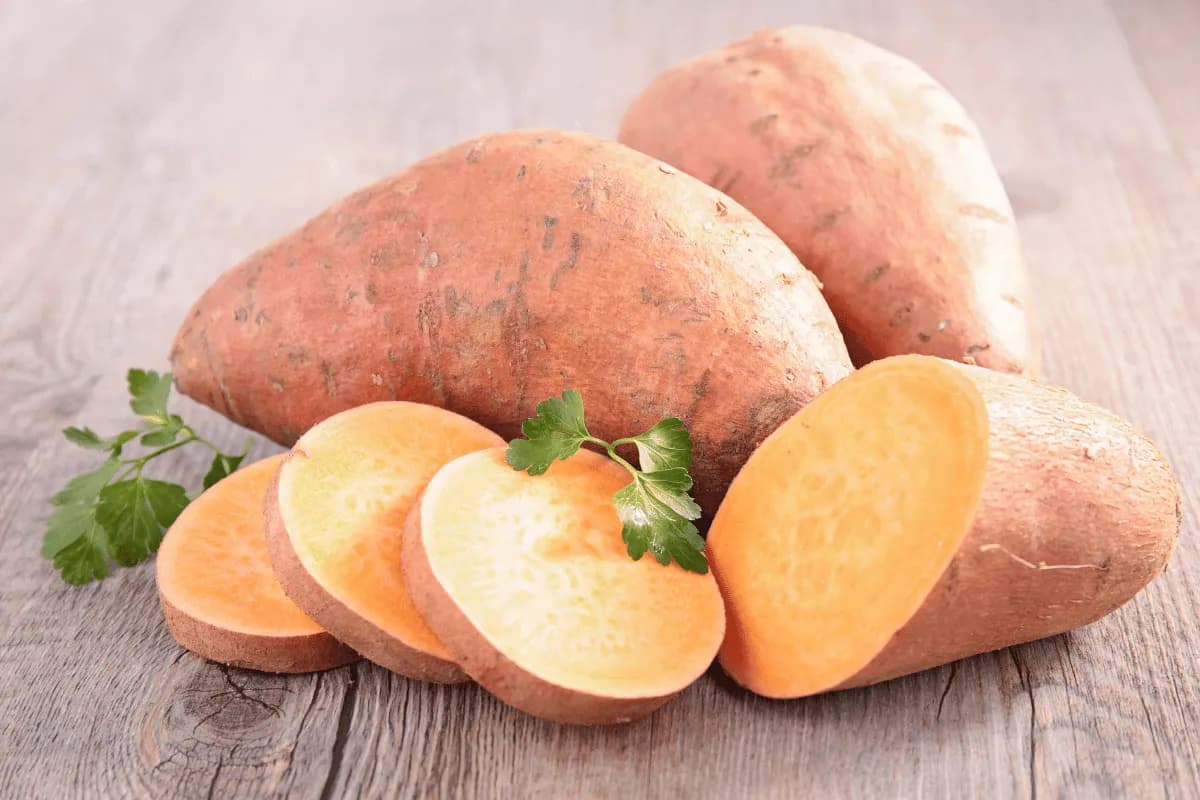
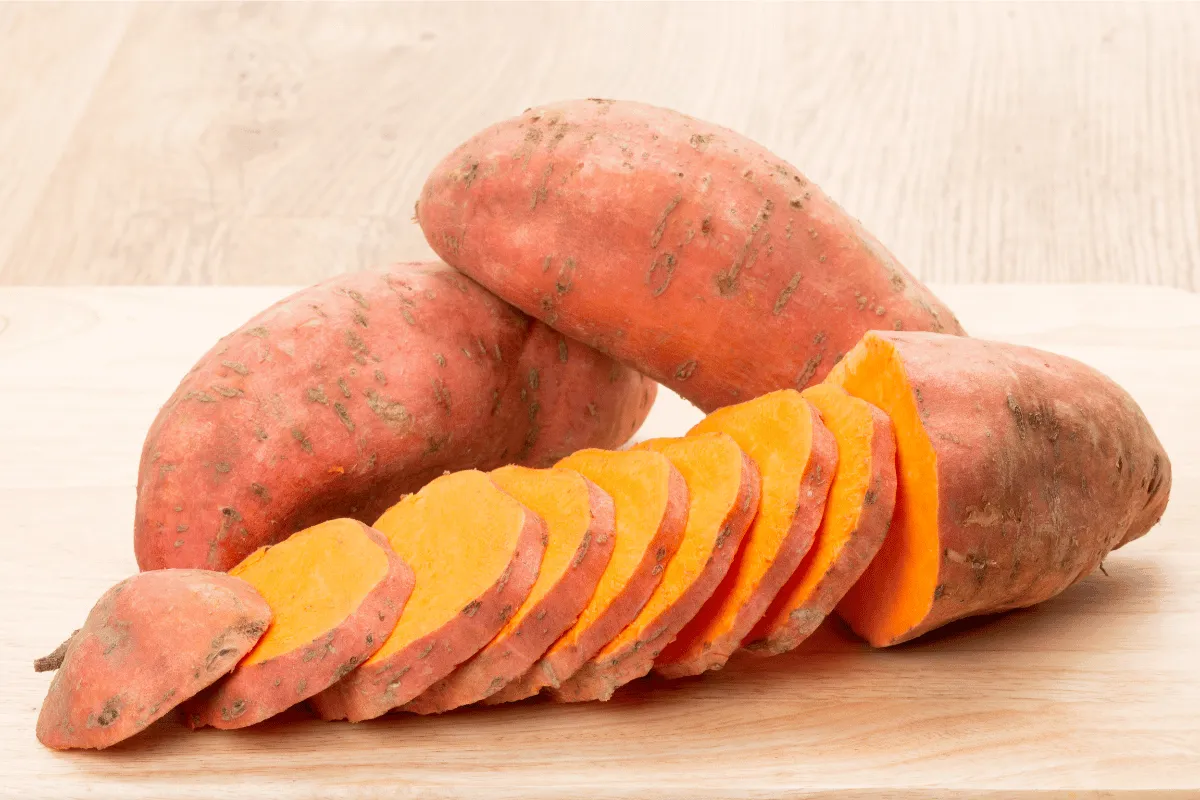
Sweet potatoes come in a rainbow of skin colors ranging from brown and red to purple or deep orange. The flesh can be creamy white, orange, yellow, or purple. While the different pigments do affect flavor, with some varieties being starchier or sweeter, any intact, firm sweet potato can be used interchangeably in recipes.
Avoid purchasing sweet potatoes displayed in the refrigerated section of the produce aisle. The cold temperature can negatively alter their taste and texture. Choose potatoes from a regular produce bin or stand.
What Does a Bad Sweet Potato Look Like? Signs of Spoilage
Despite your best storage efforts, sweet potatoes will eventually start to show signs of aging. Here's what to look out for:
- Wrinkling skin that looks deflated or shriveled. As moisture evaporates from an aging potato, its skin becomes loose, wrinkly, and thin.
- Sprouting fibrous roots or stems. This indicates the potato is diverting nutrition into new growth.
- Soft, hollow, or concave areas. Press gently; spoiled spots will feel mushy or spongy compared to the firm flesh of a good potato.
- Mold growth, which usually looks fuzzy or hair-like. Discard moldy potatoes immediately as mold spreads rapidly.
- Green patches or areas. This chlorophyll develops after exposure to light. Green spots taste bitter, so cut away any green portions before cooking.
- Unpleasant odors. A rotten or musty smell means bacteria or fungi are growing.
- Liquid oozing from eyes or skin. This likely indicates bacterial decay. Discard any oozing potatoes.
- Dark brown or black areas, either spots on the skin or discolored flesh inside. This is due to impact bruising or exposure to cold. Cut away severely discolored parts before cooking.
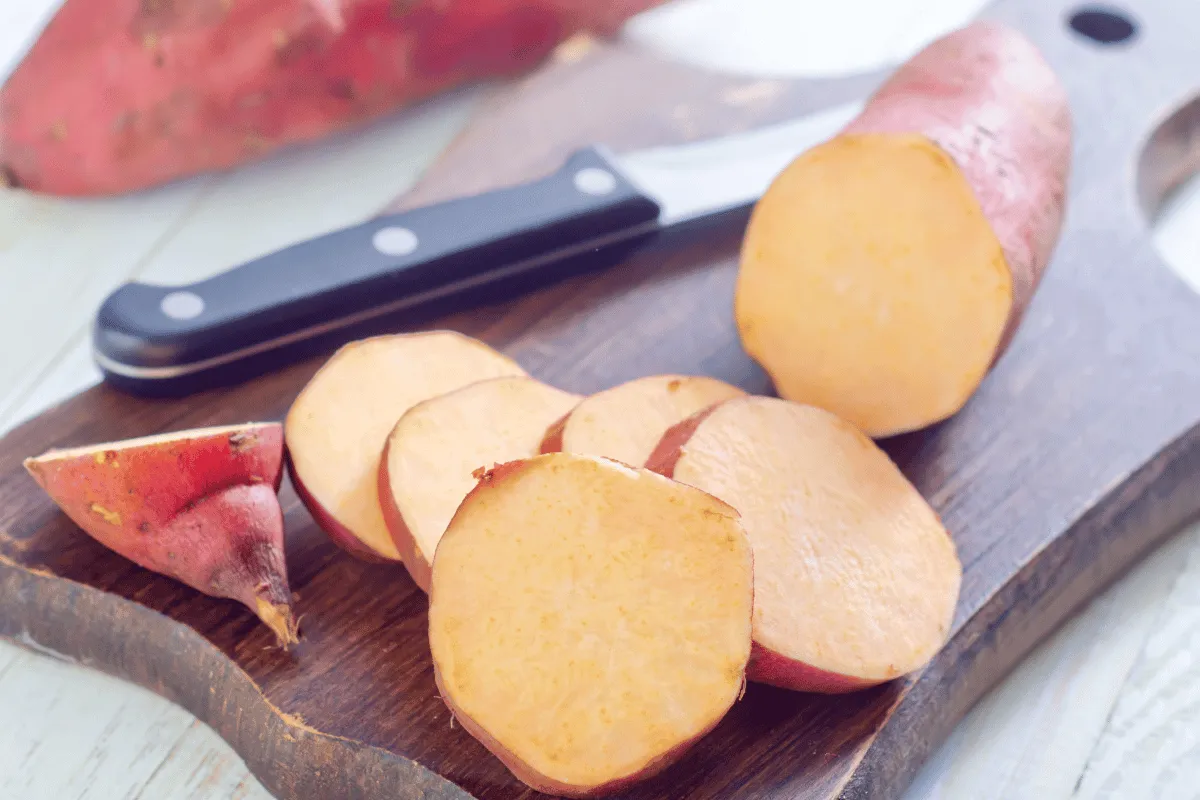
If the exterior seems fine, but you're unsure about hidden interior decay, cut the potato open and inspect the flesh. Discard if it appears dry, brown, or mushy compared to a healthy pale yellow or orange color.






you forgot to mention that milky white sap that bleeds out when you slice a fresh one. first time i saw that white liquid i thought it was rotting and threw the whole sweet potato away! turns out it is just starch and totally fine. only pitch it if it's soft, wrinkled, or smells sour. i store mine in a wicker basket in the pantry away from light and they last almost a month.
abeg the main problem here in London is the dampness under the kitchen counter. if you leave sweet potatoes from woolwich market inside the plastic bag they sell them in, soft brown spots show up in three days and they start oozing o. I had to learn the hard way to pull them out of plastic immediately and put them in a brown paper sack.
chale people throw away good sweet potatoes too quickly in America just because they see small sprouts growing out the skin. as long as the tuber is still rock hard and not smelling bad, you can just trim those eyes off and cook it oo. only throw it in the trash when the flesh goes soft like a damp sponge or starts leaking liquid.