

When we think of vegetables, we often imagine crisp leaves, colorful bell peppers, and juicy tomatoes. However, there's a whole world of edible goodness hiding under the ground, tuber vegetables! These underground vegetables are packed with nutrients, fiber, and flavor, making them a valuable addition to our diets.
What are Tuber Vegetables?
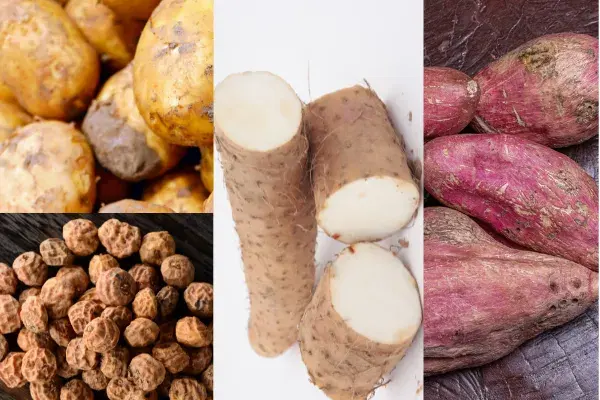
Tuber vegetables are underground plant parts that swell with nutrients, preparing for the next season's growth. They can be stems or roots, and their unique characteristic is their ability to store energy-rich compounds. This group includes familiar favorites like potatoes, sweet potatoes, carrots, beets, and onions, as well as lesser-known tubers like taro, yams, and cushcush.
Types of Tuber Vegetables
- Potato (Solanum tuberosum)
- Sweet Potato (Ipomoea batatas)
- Yam (Dioscorea spp.)
- Cassava (also known as manioc or yuca) (Manihot esculenta)
- Taro (Colocasia esculenta)
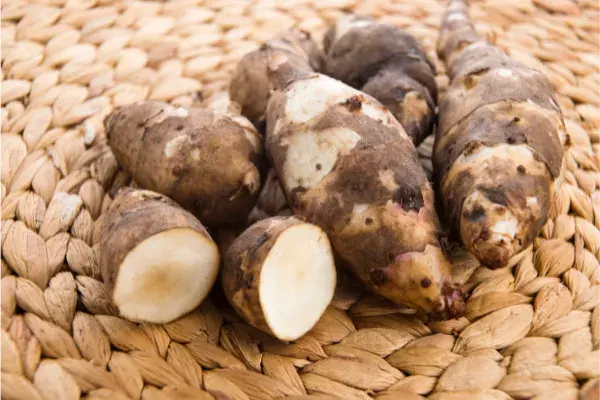
- Jerusalem Artichoke (also known as sunchoke) (Helianthus tuberosus)
- Jicama (Pachyrhizus erosus)
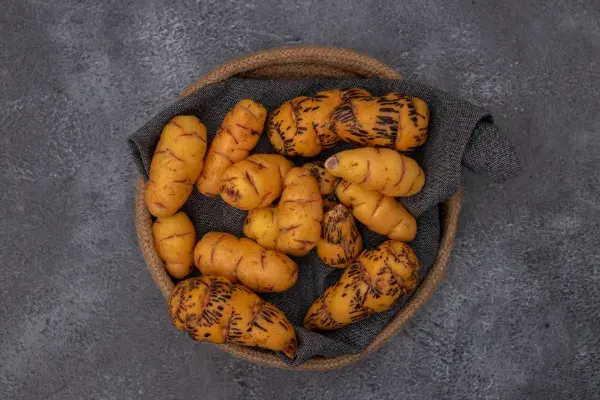
- Oca (Oxalis tuberosa)
- Ulluco (Ullucus tuberosus)
- Chinese Artichoke (also known as crosne) (Stachys affinis)
- Cocoyam (Xanthosoma sagittifolium)
- Livingstone Potato (Plectranthus esculentus)
- Tiger nut (Cyperus esculentus)
- Bambara Groundnut (Vigna subterranea)
Growing Tuber Vegetables
Cultivating tuber vegetables is an intricate process that varies across different regions. Planting methods range from directly sowing tuber pieces (like potatoes) to transplanting seedlings (like taro). Proper irrigation and pest management techniques are crucial throughout the growing season.
Variety selection and breeding play an important role in improving tuber vegetables and quality. Plant breeders aim to develop varieties with desirable traits like disease resistance, better storage life, and enhanced nutritional profiles.
For instance, the development of biofortified sweet potato varieties with higher levels of vitamin A has significantly improved dietary nutrition in many parts of the world.
While many tuber vegetables are readily available in markets, growing your own can be a rewarding experience. Here are some tips to get you started:
- Choose a sunny spot with well-draining soil - Plant tubers or seeds at the appropriate depth and spacing - Water regularly, but avoid overwatering - Harvest at the right time, usually when the tops die back or the tubers are mature.
Nutritional Benefits
Speaking of nutrition, tuber vegetables are an excellent source of complex carbohydrates, fiber, and various essential vitamins and minerals. Potatoes, for example, are rich in potassium, vitamin C, and antioxidants like carotenoids. Sweet potatoes are packed with beta-carotene, an important precursor to vitamin A, while yams are a good source of vitamin C and manganese.
Tuber vegetables have been associated with numerous health benefits. Their high fiber content can aid in digestion and promote feelings of fullness, making them helpful for weight management.
Some tubers, like Jerusalem artichokes, contain insulin, a type of prebiotic fiber that supports a healthy gut microbiome. Additionally, the antioxidants found in many tuber vegetables may help reduce inflammation and protect against chronic diseases.
Some notable health benefits include:
- Anti-inflammatory properties - Immune system support - Digestive health promotion - Antioxidant activity - Cardiovascular health support
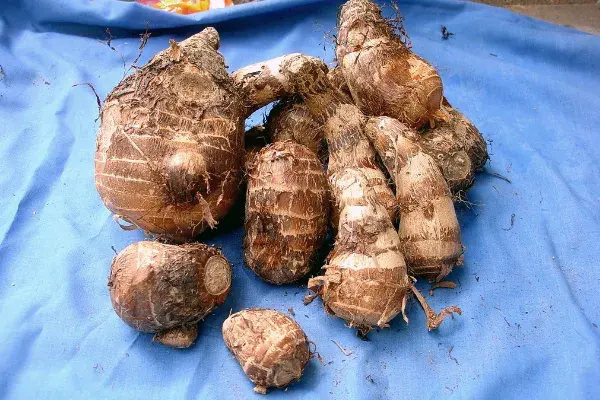
Culturally and historically, tuber vegetables have played a pivotal role in numerous cuisines around the world. Potatoes, for instance, have been a staple in many European and North American diets for centuries, while taro and yams are deeply rooted in the culinary traditions of various Pacific and Caribbean cultures.
The domestication and spread of tuber vegetables across continents have shaped agricultural practices and culinary traditions over thousands of years.
Tuber vegetables have played a pivotal role in numerous African cuisines. Yams, for instance, have been a staple in many West African diets for centuries, while cassava and sweet potatoes are deeply rooted in the culinary traditions of various Central and East African cultures.
The cultivation of tuber vegetables can have both positive and negative impacts. On the positive side, many tuber crops are relatively drought-tolerant and can be grown in marginal lands, contributing to agricultural biodiversity and resilience.
However, intensive cultivation practices, particularly in monoculture systems, can lead to soil degradation, water depletion, and increased carbon footprint.
Tuber vegetables play a crucial role in food security, particularly in regions prone to food shortages and malnutrition. Their ability to grow in diverse environments and provide a reliable source of calories and nutrients makes them a valuable safety net for many communities.
Additionally, the cultivation and consumption of tuber vegetables are often deeply intertwined with cultural practices, traditions, and social identities.
Tuber vegetables are a crucial agricultural commodity, particularly in developing countries where they serve as staple crops. The global trade of potatoes, sweet potatoes, and cassava involves complex supply chains and market dynamics.
In regions where tuber vegetables are a significant food source, their cultivation and trade can have a profound impact on the livelihoods of farmers and local communities.
Cooking Tuber Vegetables
Tuber vegetables are versatile and can be prepared in various ways to bring out their natural flavors. Here are some popular methods:
- Baking - Boiling - Roasting - Mashing - Frying - Grilling - Steaming
What Is the Difference Between a Root and A Tuber Vegetable?
Root vegetables are plant roots that store nutrients, such as carrots, beets, and radishes. They typically grow deeper into the soil and have a more uniform shape. Tuber vegetables, like potatoes and yams, are thickened underground stems that store nutrients.
Unlike roots, tubers have buds (eyes) from which new plants can grow. Tubers generally grow closer to the soil surface and can vary widely in shape. While both types of vegetables store energy for the plant, roots are primarily nutrient-absorbing structures, whereas tubers are specialized storage organs for starches and other carbohydrates.
Is a Carrot a Tuber?
No, a carrot is not a tuber; it is a root vegetable. Carrots are classified as taproots, which are the main root of the plant that grows straight down and stores nutrients.
Unlike tubers, which are thickened underground stems (such as potatoes) that have buds or "eyes" capable of producing new plants, carrots do not have these features. Instead, they absorb water and nutrients from the soil, which they store in the root, making them an essential nutrient-absorbing structure for the plant.
In conclusion, tuber vegetables are a diverse group of crops that have played a significant role in human history and continue to shape agriculture, cuisine, and economies worldwide. From nutritional powerhouses to cultural icons, these underground treasures offer a wealth of benefits and opportunities for exploration and innovation.