We use essential cookies to make the site work. We would also like to set analytics cookies and advertising cookies, but only if you agree. You can choose each one separately. Read our cookie policy
Loading
Recipes
Browse the archive by country, course and cooking time.
A carrot loaf made without eggs: dry ingredients and wet ingredients combined in one bowl, poured into a tin and baked. No country is named and none applies. It is a plain quick bread of the kind made everywhere.
The lemon juice is doing chemistry rather than adding flavour. Mixed with milk it sours it into a substitute buttermilk, and that acid reacts with the baking soda to produce lift. In an eggless cake that reaction matters considerably more than usual, since there is no egg providing structure or aeration. Leaving the lemon juice out gives a dense, flat loaf.
That is what makes it work at all. Eggless baking relies on the raising agents and on moisture, and this recipe has plenty of both: a cup of milk, three quarters of a cup of oil and a cup of grated carrot, which is largely water. The result is dense and moist rather than light, which the contributor describes accurately. Cream cheese frosting is suggested, which is the conventional carrot cake finish. The method is unusually brief, three steps, and the times given do not quite match, with a stated forty minutes against thirty in the method itself.
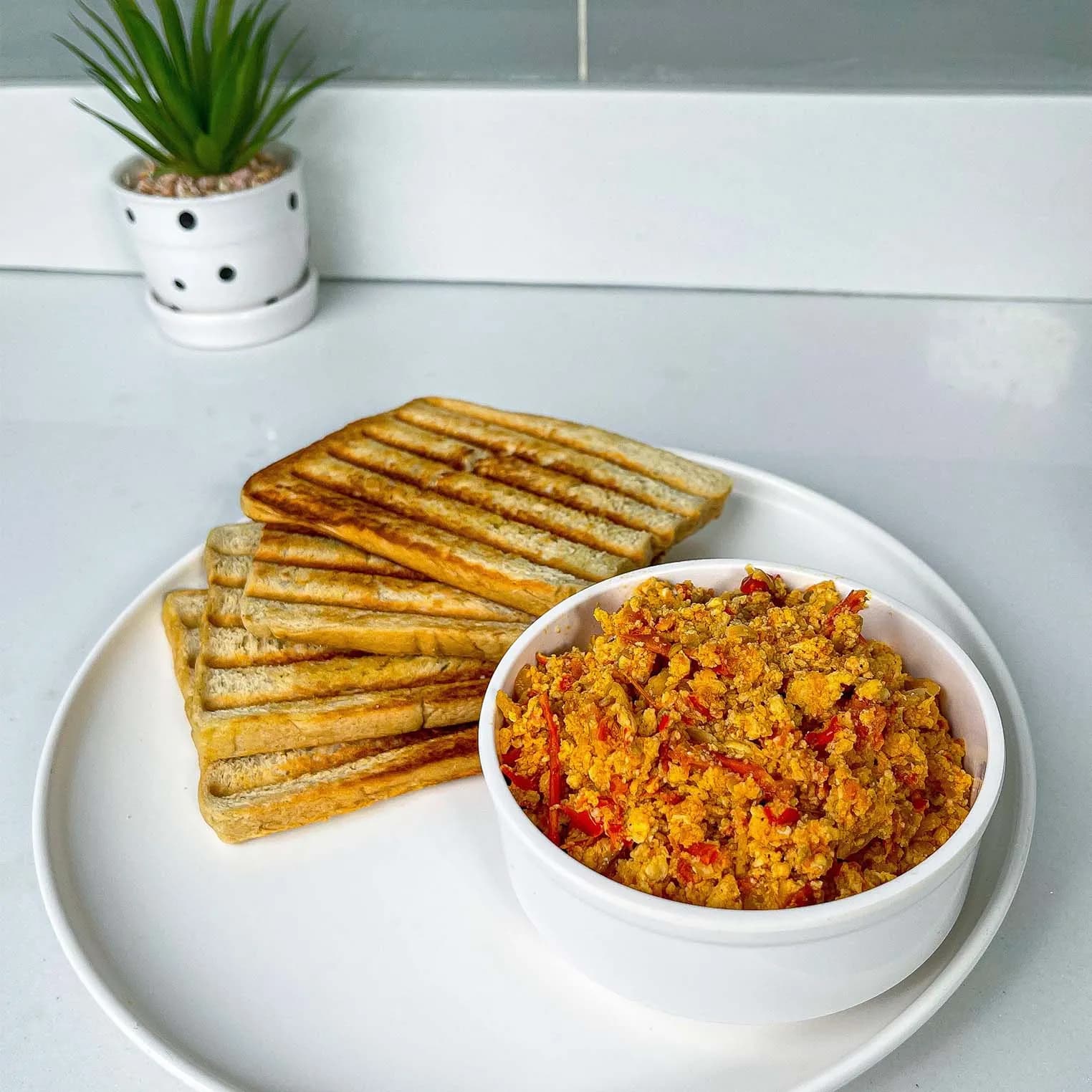
Egg sauce is a Nigerian breakfast staple: eggs cooked into a base of tomato, onion and scotch bonnet until scrambled through it. It is what plain yam is most often eaten with, and it is one of the fastest hot meals in the Nigerian repertoire.
What separates it from an omelette or from scrambled eggs is that the tomato base comes first. Onion and pepper are softened, tomatoes cooked down until they release their juices and soften, the seasoning goes in, and only then do the beaten eggs. The eggs are stirred through so the whole thing becomes one sauce rather than eggs with sauce on top.
Two ingredients in this version are worth noticing. Sesame oil in place of vegetable oil is unusual in a Nigerian kitchen and gives a distinctly nutty background, and curry powder alongside is a Nigerian habit rather than an Indian one. Both are the contributor's choices rather than the standard. Egg sauce is genuinely close to what is elsewhere called egg stew, and the two names are used for much the same dish across Nigeria and Ghana, with the difference usually being consistency rather than method.
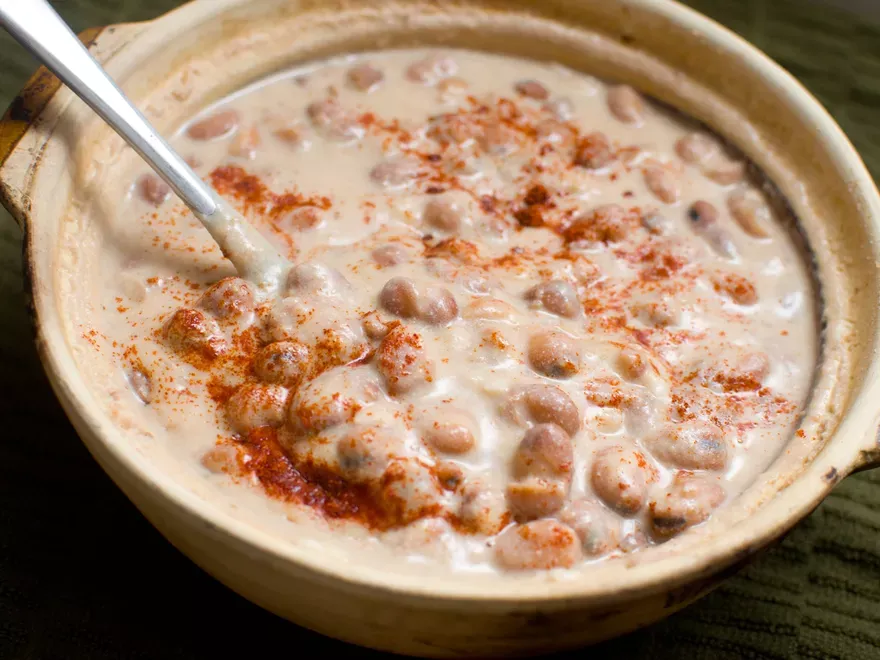
Ful medames is stewed fava beans dressed with olive oil, cumin, garlic and lemon, and it is Egypt's national dish. It is eaten at any hour, though breakfast is when it belongs most, and it is sold from carts across Cairo and Giza in the mornings.
Traditionally it is cooked and served in a large metal jug, the qedra, over a very long slow heat, often overnight, which is why street ful has a depth that a quick home version does not. What the beans are dressed with varies endlessly: parsley, onion, chilli, tomato, hard eggs, tahini.
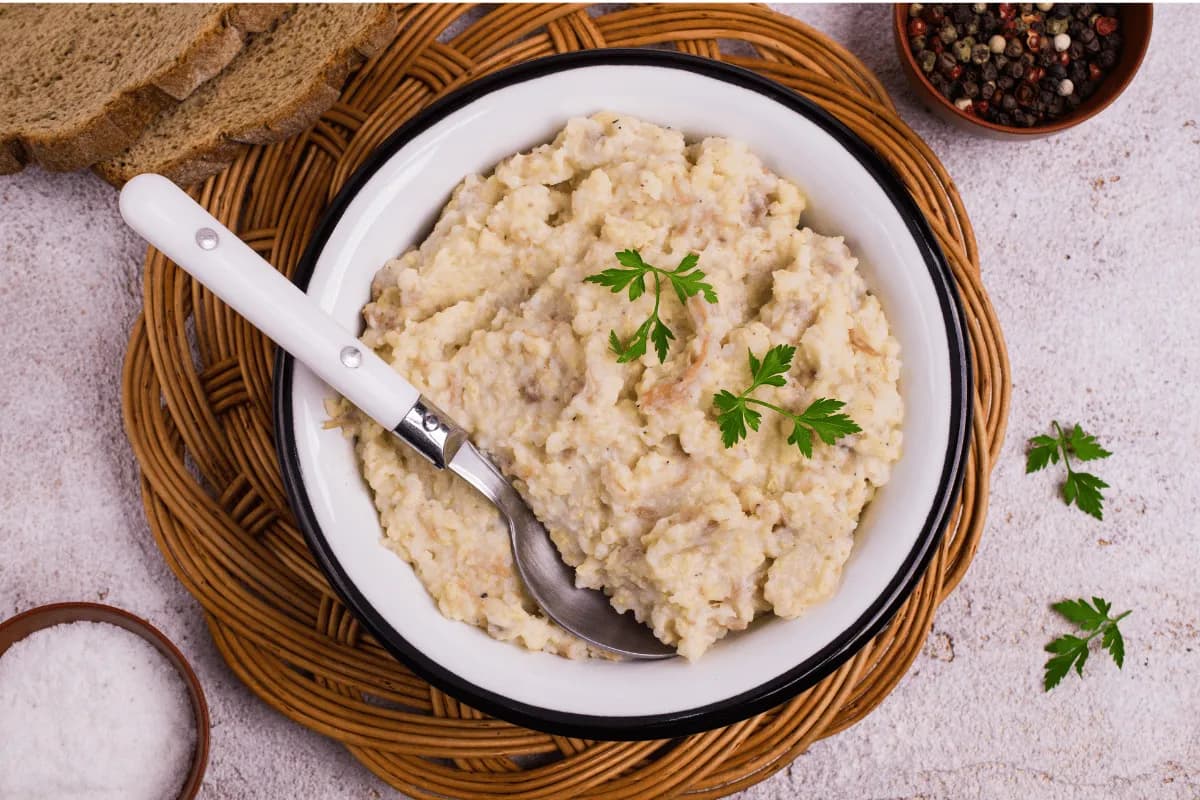
Its versions across the region are worth knowing. In Somalia, fuul is a breakfast staple served with eggs and laxoox or canjeero flatbread, spiced with xawaash, the blend of cumin, coriander, cardamom, cloves, turmeric and more that makes it noticeably hotter than the Egyptian version. In Morocco it is bissara, made from fava beans and split green peas cooked with garlic, eaten especially in the north during cold weather. This particular recipe includes tahini, which is a Levantine addition rather than a classic Egyptian one, and it uses tinned beans rather than the overnight cook.
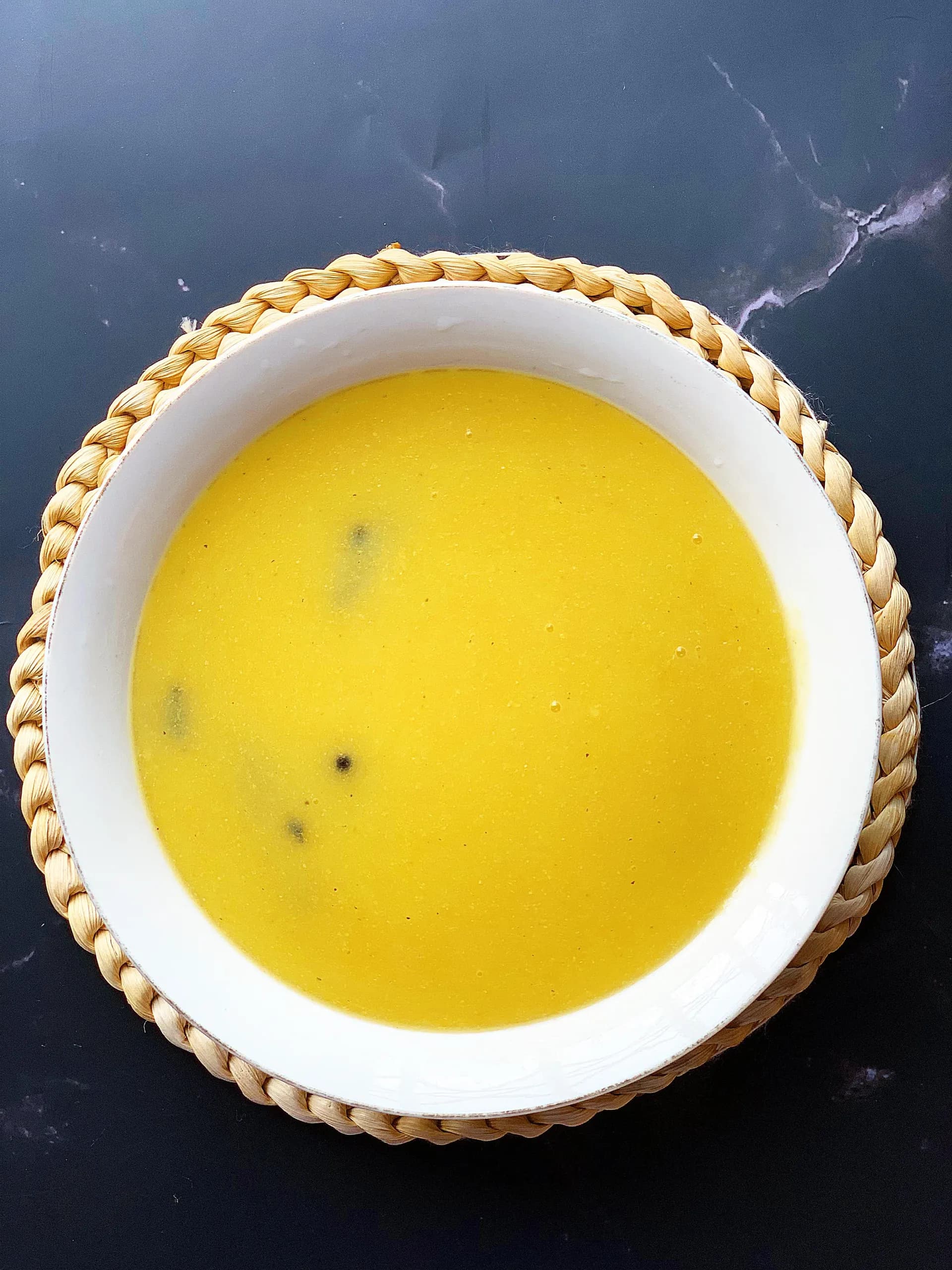
Corn dough porridge is a Ghanaian breakfast, particularly in the south, made from fermented corn dough thinned with water and cooked with grains of selim until thick. It is closely related to koko and to ogi across the border in Nigeria, all built on the same fermented maize.
Fermentation is what gives it its character. Corn is soaked, ground and left to sour for several days, which produces a distinctly tangy flavour and makes the grain easier to digest. Fermented corn dough is sold ready made at Ghanaian and Nigerian markets and grocers, in blocks or bags, and making it from scratch takes days rather than minutes.
Grains of selim, also called negro pepper or hwentia, is the spice that makes this Ghanaian rather than generic. It is a long dark pod with a smoky, slightly bitter, aromatic flavour, crushed into the water before the corn goes in. The other technique that matters is straining: the dough is slaked with water and passed through a strainer before it meets the heat, which is the only reliable way to avoid lumps. It is served hot with sugar, and often with milk, roasted nuts or coconut flakes.
Dietary tags are provided by contributors as a guide, not verified by AFN, and they depend on the products you buy. If you have a serious allergy, check every ingredient yourself. Cooking, allergies and your own judgement