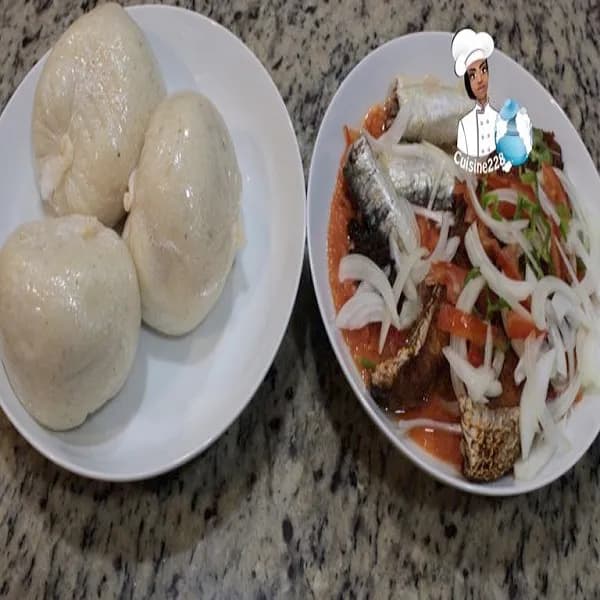
Kenkey With Sauce and Fried Fish
Ghana
Master Africook


Cookies on African Food Network
We use essential cookies to make the site work. We would also like to set analytics cookies and advertising cookies, but only if you agree. You can choose each one separately. Read our cookie policy
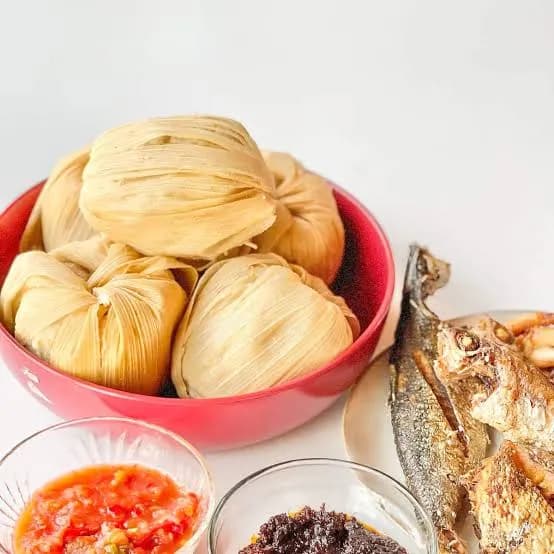
Kenkey with pepper sauce and fried fish is a complete plate rather than a dish with accompaniments, and the three parts are not interchangeable with anything else. The sour fermented maize, the raw ground pepper and the well seasoned fried fish each do something the other two cannot, and the combination is what people mean when they say kenkey. The sourness is the axis. Maize is steeped for around two days, milled, and left to ferment for several more before any cooking happens, and the acidity that develops is what makes the plate work against fried fish. Ghanaian, Togolese and Beninese coastal cooking pairs sour starch with fried seafood repeatedly, and this is the clearest example of it. Anyone who does not already eat fermented cereals such as ogi, koko or eko tends to need a plate or two before the logic lands. The dish carries its names with it. Komi among the Ga, dokono among the Fante, dorkunu and dokonou across Togo and Benin. It travelled further than that: to Jamaica and Guyana as dokono and konkee, and to Trinidad as paime, carried across the Atlantic with enslaved West Africans, where it survives with different fillings and the same technique.
Kenkey is documented among the Ga of coastal Ghana as komi and among the Fante as dokono, and is eaten across Togo and western Benin under related names. The preparation crossed the Atlantic with enslaved West Africans and survives in Jamaica and Guyana as dokono and konkee, and in Trinidad as paime.
Dietary tags are provided by contributors as a guide, not verified by AFN, and they depend on the products you buy. If you have a serious allergy, check every ingredient yourself.
Cover the corn with just enough water to dampen it in a large container. Set it in a warm place for 5 days. Fermentation may take longer in cool climates.
When properly fermented it will have a slightly sour but not unpleasant aroma. Rinse and grind the corn.
Knead the fermented dough by hand until thoroughly mixed and slightly stiffened. Divide it into two equal parts.
Cook one half of the dough in a large pot for about ten minutes, stirring constantly and vigorously. Remove from the heat. This cooked half is the aflata.
Combine the aflata with the remaining uncooked dough and mix well.
Divide the mixture into serving sized pieces and wrap each tightly in corn husks or foil. At this point it can be refrigerated or frozen until you are ready to cook.
Steam for 30 to 60 minutes depending on size and thickness. Serve at room temperature.
For the sauce, grind the onion, tomatoes and green chillies together until smooth but with some texture remaining. Salt to taste.
Season the fish with garlic, ginger, salt and pepper, and fry.
Serve the kenkey with the pepper sauce and the fried fish.
2 reviews
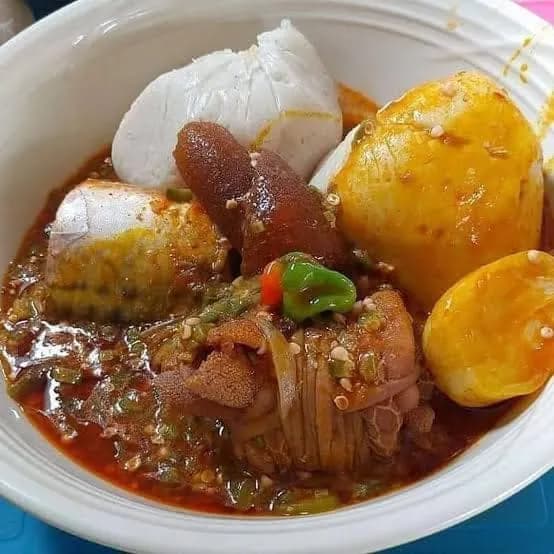
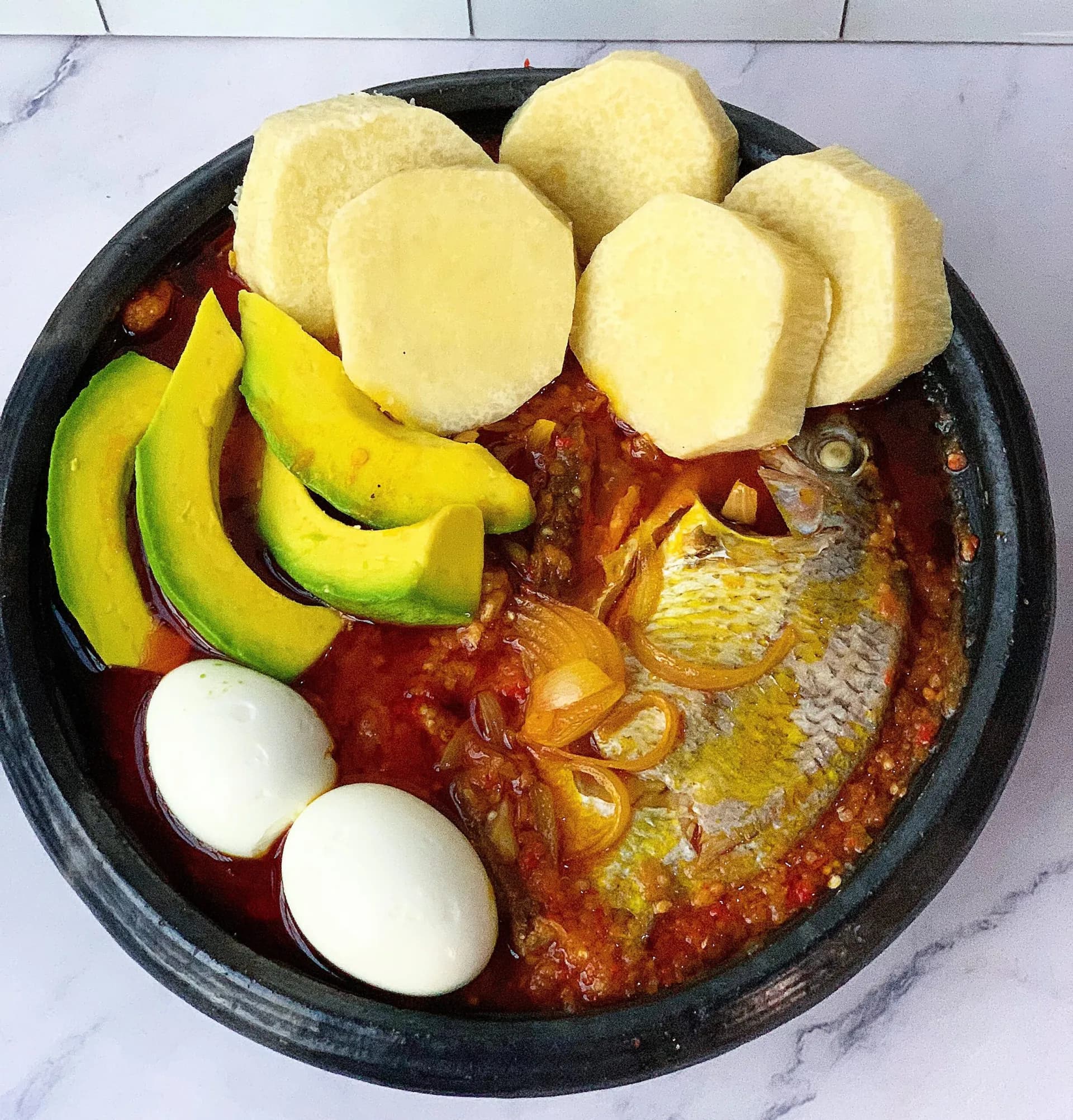
Herh, stirring the aflata requires proper energy oo! If you don't stir vigorously it will form hard lumps and ruin the smooth texture. My big sister in Tema always insists you must add the agbelima if you want that authentic stretch, corn alone makes it too dense paa. Made this today with fried red fish and fresh chopped onions with green pepper. Chale, the taste took me straight back home.
5 days to ferment the corn dough is no joke o. My apartment here in Atlanta was smelling so sour my housemate almost called emergency sha! I couldnt get fresh agbelima so I bought dried cassava flour from the African market in Decatur to mix in. Stirring that aflata on the stove took all my strength, my arm is still paining me. But eaten with fried tilapia and green chillies pepper, e sweet well well. Worth the stress.