




Homemade Fermented Lemonade
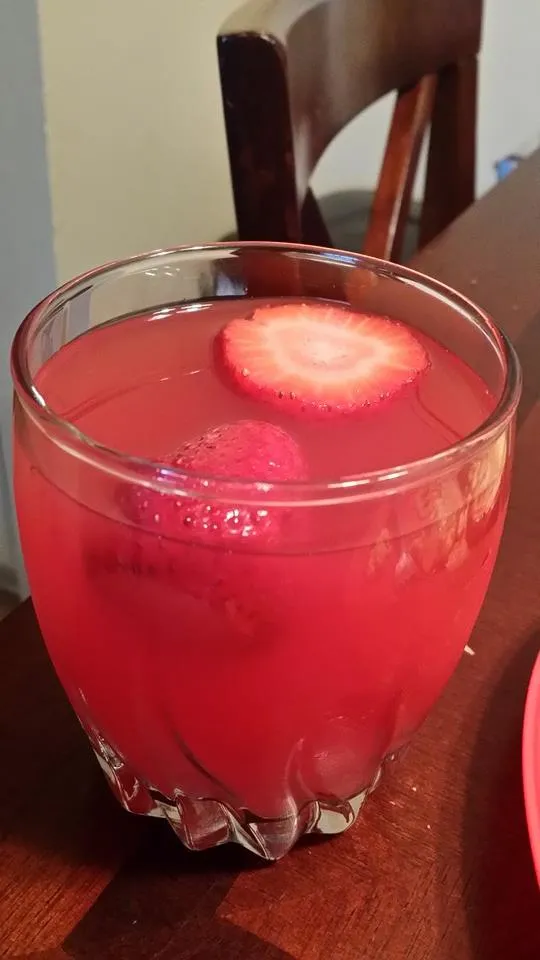
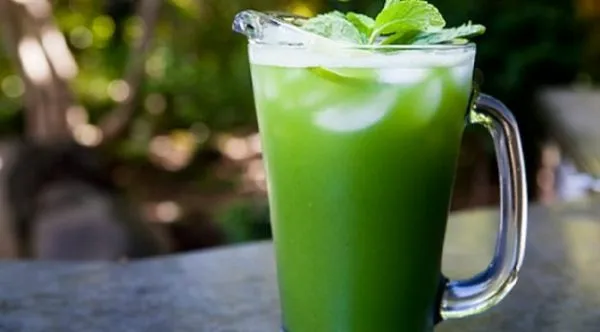
Lemon juice, sugar syrup and water, with raisins left in overnight to start a light fermentation and give the drink a natural fizz. No country is claimed. The raisins are the interesting part, and the source rather buries them. Dried fruit carries wild yeasts on its skin; left in a sweet liquid at room temperature, those yeasts begin converting sugar into carbon dioxide, which is what produces the fizz. This is the same principle behind ginger beer plants and a great many traditional home-fermented drinks, and it is why the method says to leave it overnight rather than serving immediately. Two consequences follow, and neither is in the source. Fermentation produces a small amount of alcohol alongside the carbon dioxide, usually well under one per cent for an overnight ferment, but not zero. And a fermenting drink in a sealed container builds pressure, so it should be left loosely covered rather than tightly capped. The source's history is muddled. It dates lemonade to Paris around 1630, which refers specifically to the French *limonade* sold by the Compagnie des Limonadiers; sweetened lemon drinks are considerably older and are documented in medieval Egypt. No quantities are given at all; those below are working proportions.
20 minBeatrice