We use essential cookies to make the site work. We would also like to set analytics cookies and advertising cookies, but only if you agree. You can choose each one separately. Read our cookie policy
Loading
Recipes
Browse the archive by country, course and cooking time.
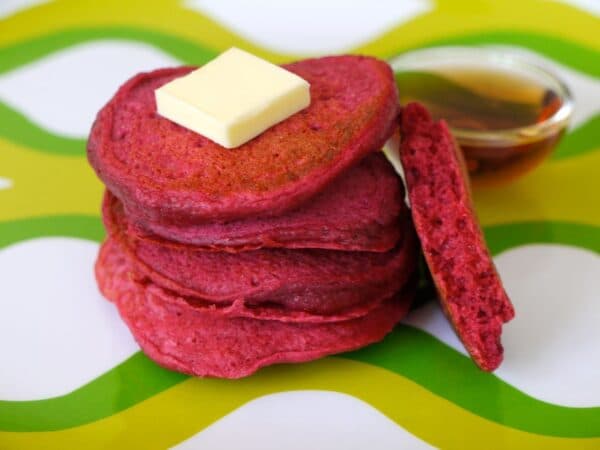
Beetroot pancakes are ordinary pancakes with cooked beetroot blended into the batter, which turns them deep pink and adds an earthy sweetness.
The beetroot does two things. It colours the batter dramatically, which is most of the appeal and the main reason the recipe exists for children. And it contributes moisture and a mild natural sweetness, so the pancakes need less sugar than a plain batter would.
They are made in the ordinary way, blended, rested briefly, cooked on a moderately hot pan, and the technique holds no surprises. Cooking them slightly slower than plain pancakes helps, because the extra moisture from the beetroot means the middle needs a little longer while the outside is already colouring.
Served with fresh fruit or berries on top, which is the usual suggestion, they make a breakfast that looks considerably more elaborate than it is.
**Filed as Worldwide**, the source describes it as a Continental recipe, and it makes no African claim. The page is kept and reclassified rather than removed.
Whole tilapia scored, marinated in an oil-based spice mixture, oven-grilled, then coated in a fresh green pepper base and returned to the heat. The two-stage seasoning is what makes it, and it is a West African approach rather than a simple marinade.
The first stage is a dry-spice oil: vegetable oil with fish seasoning, white and black pepper, ginger, garlic, onion powder and lemon juice, worked into the cuts. The second is a green pepper base built in a food processor from green and red scotch bonnets, bell peppers, spinach, dill, coriander, ginger, garlic and onion, fried briefly in oil and then smeared over the part-cooked fish.
That green base is the interesting part. Blending leafy greens and fresh herbs into a pepper sauce is characteristic of Ghanaian and wider West African fish cookery, and it gives colour and a fresh, sharp finish that a marinade applied only at the start cannot. The scoring is not decorative either: two or three cuts on each side let both stages of seasoning reach the flesh rather than sitting on the skin. Tilapia is native to African fresh waters and is the fish most associated with Ghanaian grilling, usually eaten with banku.
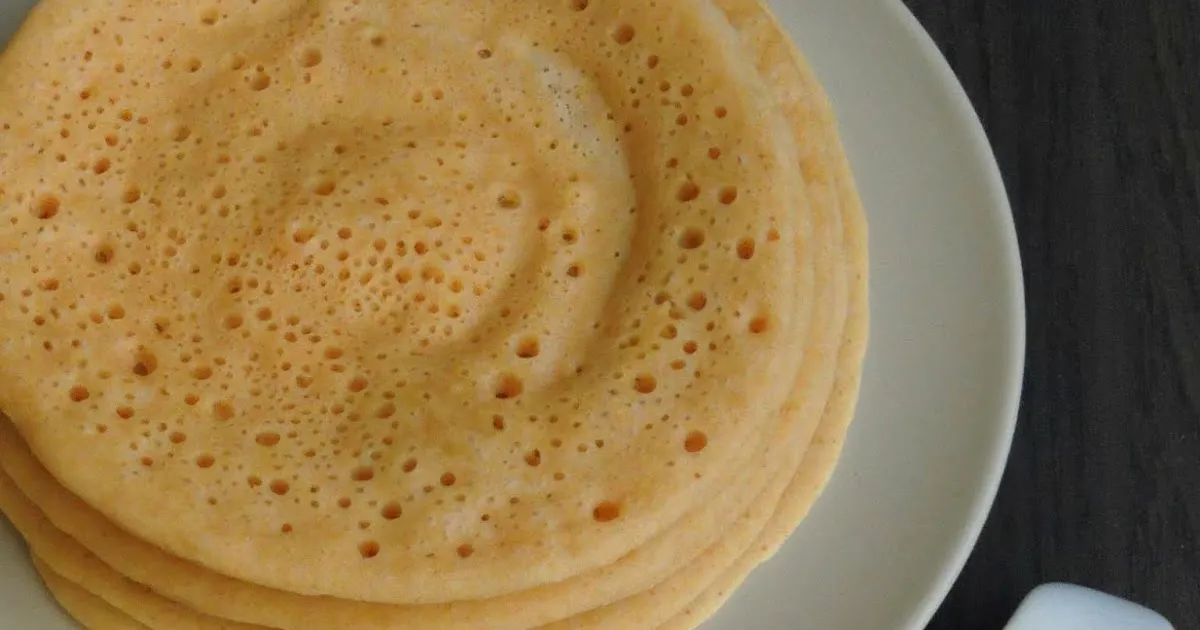
Gorraasa is a thick, spongy Sudanese flatbread cooked in a pan from a pourable batter rather than a kneaded dough. It is one of Sudan's two national breads, alongside kisra, and it is used as a tool as much as a food.
Its purpose shapes its texture. A round of gorraasa goes under stewed meat or a saucy dish, and pieces are torn off to pick food up, so it needs to be soft enough to tear cleanly and springy enough not to disintegrate under sauce. That is why it is thick and slightly elastic rather than crisp or brittle. It is often eaten with damaa, the Sudanese meat and tomato stew, in a combination known as gorraasa be dama.
Two things in the method are worth taking seriously. The batter must be thick, pancake-batter thick, because a thin one will not hold the bubbles that give the bread its sponginess. And it is cooked on one side only, over medium heat, until the top dries out completely. The heat needs watching: too high and the base burns before the top sets.
The source is emphatic about salting the batter properly, and it is right. Gorraasa made without enough salt is bland in a way that no accompaniment fixes, because there is nothing else in it.
Thick slices of brioche soaked in a sweetened egg, milk and cream custard, then baked with chocolate and butter. No country is claimed. French toast in one form or another is eaten across Europe and beyond, and it is considerably older than its English name, a version appears in Apicius, the Roman recipe collection, and it is known in France as pain perdu, lost bread, because its purpose was to rescue bread that had gone stale.
The bread choice is the substance of the recipe and the source is right about it. Brioche and challah are both enriched doughs, made with eggs and butter, which means they are structurally sturdier and can absorb a great deal of custard without collapsing. Plain sandwich bread turns to mush. Cutting the slices thick, around 2 cm, matters for the same reason.
Baking rather than pan-frying is the other decision here, and it solves a real problem. Thick slices fried in a pan brown on the outside long before the custard in the middle has set, which is why so much home-made French toast is soggy inside. The oven cooks it through evenly.
The method has a copy error worth noting: it refers to baguette slices twice, having specified brioche in the ingredients. Brioche is correct.