We use essential cookies to make the site work. We would also like to set analytics cookies and advertising cookies, but only if you agree. You can choose each one separately. Read our cookie policy
Loading
Recipes
Browse the archive by country, course and cooking time.
Thiakry is millet couscous stirred into sweetened yogurt and milk, served cold, and it is one of the most widely eaten sweet things in Senegal and the Gambia. It is also written thiakri, chakery, caakiri and degue, and the spelling shifts with the language and the writer while the dish stays the same.
Millet is the reason it exists. It is one of the principal grains of Senegal, grown across the drier interior where rice does not do well, and thiakry is among the most common things made from it. The grain is milled to a couscous and steamed, then cooled and folded into the dairy. In Dakar it is sold in every grocery store, which is a fair measure of how ordinary a food it is.
It is eaten at breakfast as readily as at the end of a meal, which puts it in the same category as yogurt everywhere: sweet, cold, and not confined to dessert. Raisins, mango, grated coconut and chopped almonds are all standard on top, and vanilla and nutmeg are the usual flavourings. Its close relation ngalakh, made with peanut paste and baobab, is the elaborated festival version of the same base. Thiakry is the everyday one.
Sonhos de banana means banana dreams in Portuguese, and they are small fried fritters from São Tomé and Príncipe, the island nation off the coast of Central Africa. Mashed banana is worked into a batter with flour, egg, milk and sugar, dropped into hot oil and dusted with cinnamon sugar while still warm.
The Portuguese connection runs through everything about them. São Tomé and Príncipe was a Portuguese colony from the late fifteenth century until 1975, and sonhos are a Portuguese sweet in their own right, a fried dough eaten particularly at Christmas. What the islands did was put banana into them, which is what the archipelago grows, and the result is closer to a beignet than to a doughnut.
The same sweet, under the same name, is eaten in Brazil, which shares the Portuguese colonial inheritance from the other side of the Atlantic. That triangle of Portugal, São Tomé and Brazil is visible in a great deal of the islands' food, and sonhos de banana is one of the clearest examples. They are eaten as a dessert or simply as something sweet in the afternoon, and they are at their best within minutes of leaving the pan.
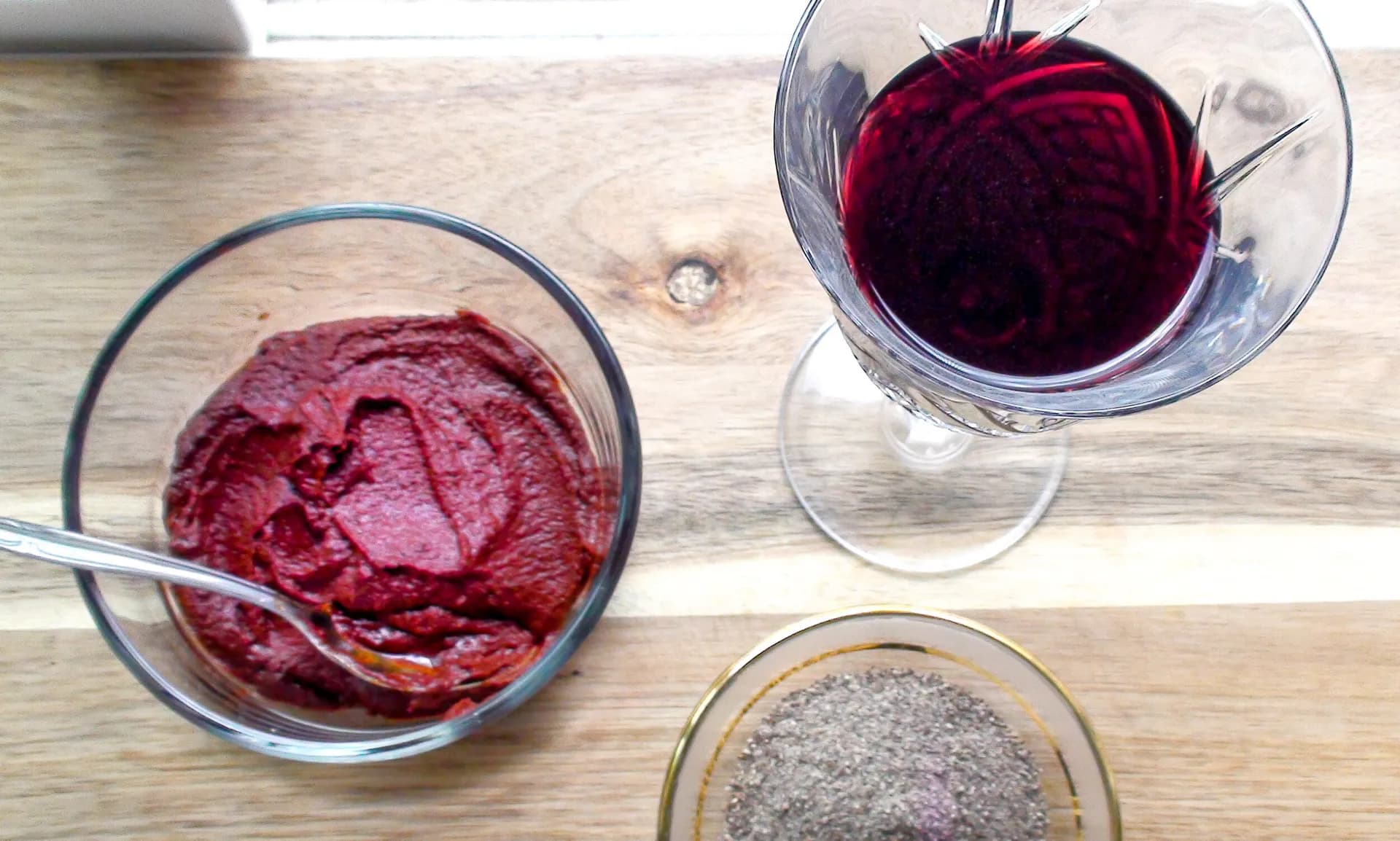
Awaze is the Ethiopian red chilli paste, built on berbere and loosened with an alcoholic liquid into a thick dip. It is extremely hot, it takes five minutes to make, and it goes with almost everything on an Ethiopian table.
Berbere is what it is built on, and berbere is itself a blend: dried chillies, garlic, ginger, onion, rue seeds, cardamom, cloves and cinnamon. Awaze takes that and turns it into something spoonable. The liquid matters more than it sounds. Traditionally it is tej, the Ethiopian honey wine made with gesho, the shiny-leaf buckthorn, or areki, a strong spirit. This recipe uses red wine, which the contributor prefers and which is far easier to find.
Its traditional place is at celebrations. Awaze is made for weddings and special occasions and served with raw meat, and gored gored, cubed raw beef with dipping sauce, is considered by many an unofficial national dish that no Ethiopian celebration is complete without. That is worth knowing about what the dip is for. Because of the wine, this is not alcohol-free, and mitmita, the other Ethiopian chilli blend with pili-pili peppers and cardamom, is a related but different thing.
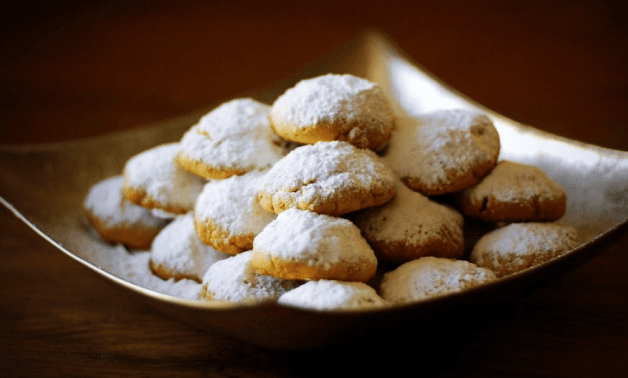
Kahk are round Egyptian shortbread-style cookies, buttery and crumbly, buried under a heavy layer of icing sugar, and made for Eid.
Their history is unusually well documented for a biscuit. Kahk is believed to date to Ancient Egypt: carvings showing people making it have been found in temple ruins at Memphis and Thebes, and a recipe was recorded in the Great Pyramid of Khufu at Giza. Few foods anyone still eats have that kind of paper trail.
They are made in enormous quantity in the weeks before Eid al-Fitr, and the making is social, families and neighbours gathering to shape trays of them together, which is as much the tradition as the eating.
Fillings vary. Plain kahk is common, but so are versions stuffed with agameya, a paste of honey, ghee, flour and nuts; with dates; with pistachio or walnut; or with lokum.
The texture is what people judge them on: a proper kahk should collapse in the mouth rather than snap. That comes from ghee and from not overworking the dough.
The icing sugar is not a garnish, it is applied generously and is part of the thing.
Dietary tags are provided by contributors as a guide, not verified by AFN, and they depend on the products you buy. If you have a serious allergy, check every ingredient yourself. Cooking, allergies and your own judgement