We use essential cookies to make the site work. We would also like to set analytics cookies and advertising cookies, but only if you agree. You can choose each one separately. Read our cookie policy
Loading
Recipes
Browse the archive by country, course and cooking time.
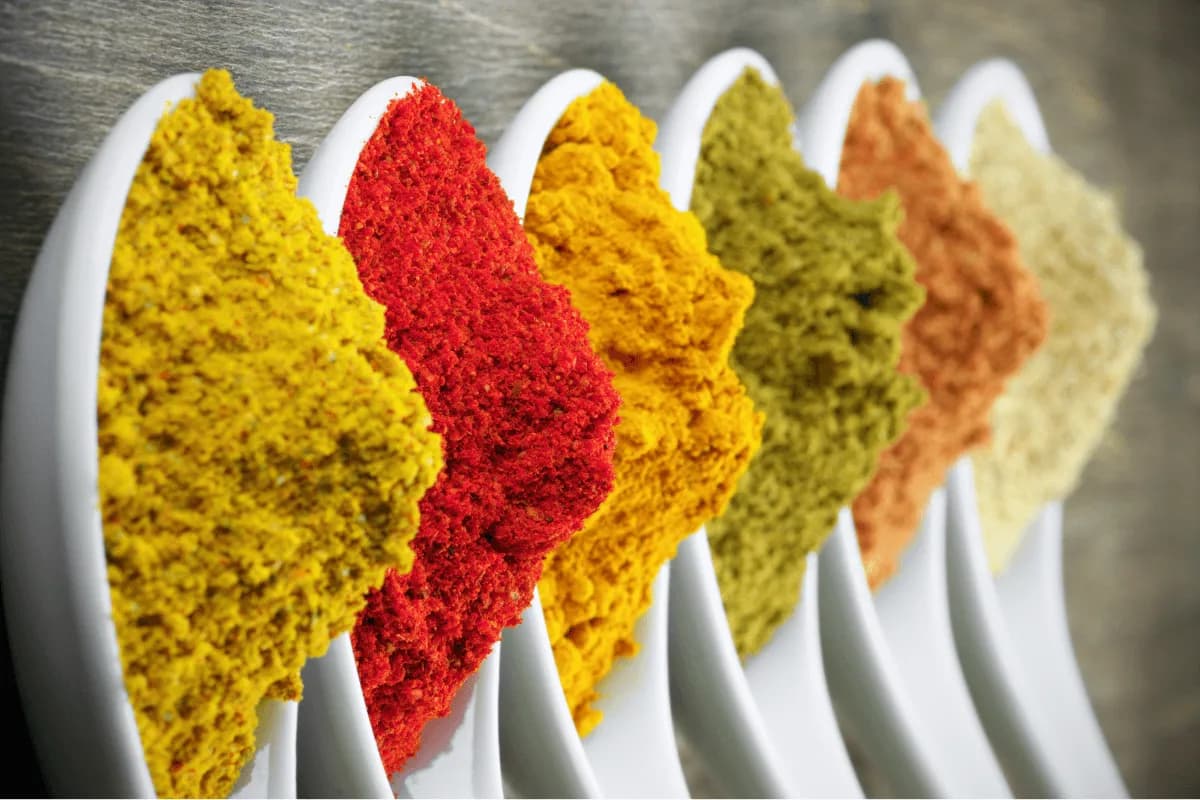
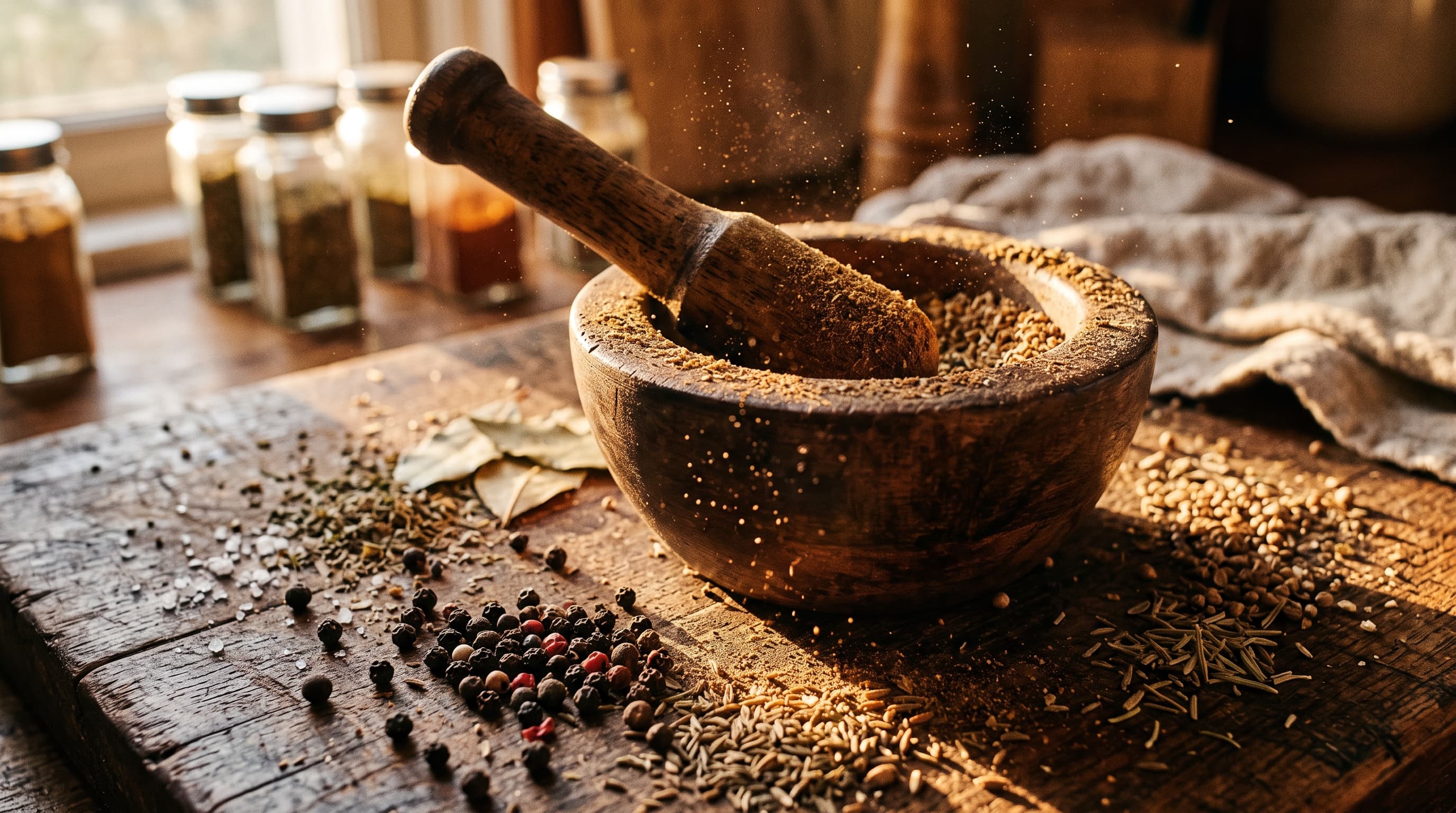
A dry rub for chicken: thyme, cayenne, cumin, paprika, garlic powder, black pepper, oregano, onion powder and salt. It carries no country and it is a broadly Western blend, the direct counterpart to the fish seasoning already in this collection.
That is worth saying plainly on a platform documenting African food, because Africa has a great many chicken seasonings that this is not. Nigerian suya spice, yaji, is built on ground peanuts with paprika, cayenne and ginger. Ethiopian berbere combines chilli with cardamom, fenugreek and rue. Moroccan ras el hanout can run to a dozen or more spices. Peri peri from Mozambique and Angola leads with African bird's eye chilli and lemon. Any of those would be the regional answer.
What is here is a competent all-purpose rub, useful for roasting, grilling or frying, and it keeps for months in a sealed jar. It is filed under Worldwide Recipes rather than presented as African. One practical note the source makes and is right about: the salt is adjustable and can be left out entirely, which is worth doing if you are also using a seasoning cube or a brine, since both already carry a great deal.
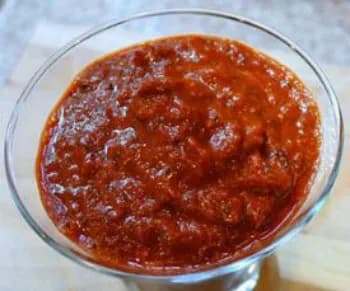
Pepper sauce is the West African condiment: blended hot pepper cooked down in oil or water until thick, spooned onto anything that needs lifting. It goes with puff puff, grilled meat, fish and eggs, and there is scarcely a dish it is not served alongside somewhere in the region.
What distinguishes it from a hot sauce elsewhere is what it does not have. There is no vinegar, no fermentation and usually no sugar. The base is pepper, salt, oil and often a stock cube, and the texture is thick and coarse rather than pourable. Recipes vary with the cook, but hot pepper is the constant, and habanero and scotch bonnet are the usual choices.
Heat is adjustable and worth adjusting. Most West African pepper sauces are fierce, and this one uses three habaneros against four bell peppers, which is moderate by regional standards. Deseeding the habaneros, using fewer, or leaving them out entirely all work. The other choice is water or oil: water reduces away and gives a lighter sauce that keeps about a week; oil floats to the top when the sauce is done and seals it, which keeps it considerably longer. No country is named, and the sauce belongs to the whole region rather than to one.
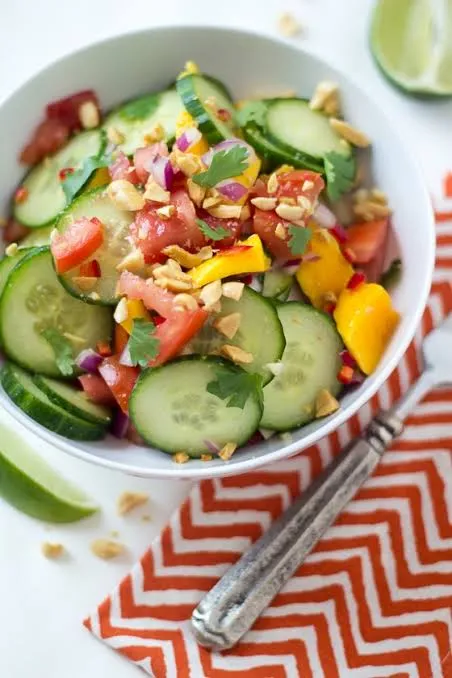
Oyster mushrooms grilled and tossed in suya spice. It is a plant-based version of the Nigerian street food, and it works better than most meat substitutions do.
**The traditional suya spice contains ground peanuts, and this recipe includes them.** The source flags it and offers to leave them out, which is honest, but it is worth stating clearly, because a peanut allergy and a suya spice blend are a genuinely dangerous combination and the name gives no warning.
Suya proper is skewered beef, ram or chicken rubbed in yaji, the spice blend of ground roasted peanuts, ginger, cayenne, garlic, onion powder and paprika, and grilled over open coals. It is Hausa in origin, from northern Nigeria, and it is sold across Nigeria, Cameroon, Niger, Ghana and parts of Sudan. Kyinkyinga is the Ghanaian name, agashe the Sudanese.
Oyster mushrooms are the right substitution and not an arbitrary one. Shredded, they have a fibrous, layered structure that genuinely resembles pulled meat, they take on the dry rub readily, and they char well. Most vegetables do neither.
The source's method is very compressed, one step reads "put in a preheated medium", with the word oven missing, and has been filled out below.
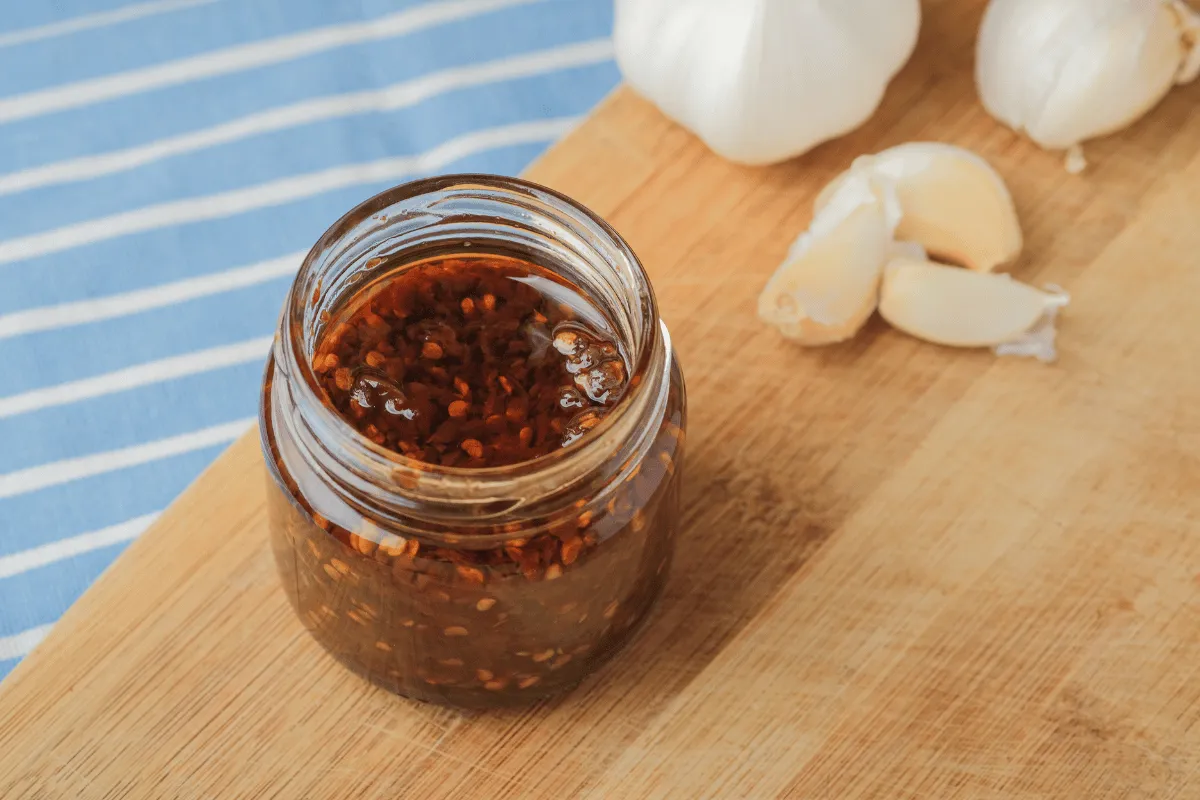
Hot oil poured over garlic and dried chilli, then strained. It is a condiment rather than a dish, and it belongs to East and Southeast Asian cooking, where versions of it are a kitchen staple.
The technique is the whole thing, and it hinges on a short window. Oil is heated until shimmering, taken off the heat, and the garlic goes in for ten to thirty seconds only. The residual heat is enough to draw the flavour out; any longer and the garlic burns, which happens fast and produces a bitterness that cannot be removed. Chilli flakes go in after, because they scorch even more readily.
Straining is the source's choice and it is a legitimate one, but it is worth knowing it is not the only approach. Chinese chilli crisp and many Southeast Asian versions deliberately keep the solids in, so you get texture as well as flavour. Straining gives you a clear, clean infused oil; leaving it gives you something to spoon over food. Both keep.
The flavour improves for a day or two as the oil continues to take on the garlic and chilli, so making it ahead is worthwhile.
It has a real African cousin worth mentioning. Ghanaian shito, the dark fried pepper sauce, works on the same principle of chilli cooked into oil, and it has its own recipe on this site.
Dietary tags are provided by contributors as a guide, not verified by AFN, and they depend on the products you buy. If you have a serious allergy, check every ingredient yourself. Cooking, allergies and your own judgement