We use essential cookies to make the site work. We would also like to set analytics cookies and advertising cookies, but only if you agree. You can choose each one separately. Read our cookie policy
Loading
Recipes
Browse the archive by country, course and cooking time.
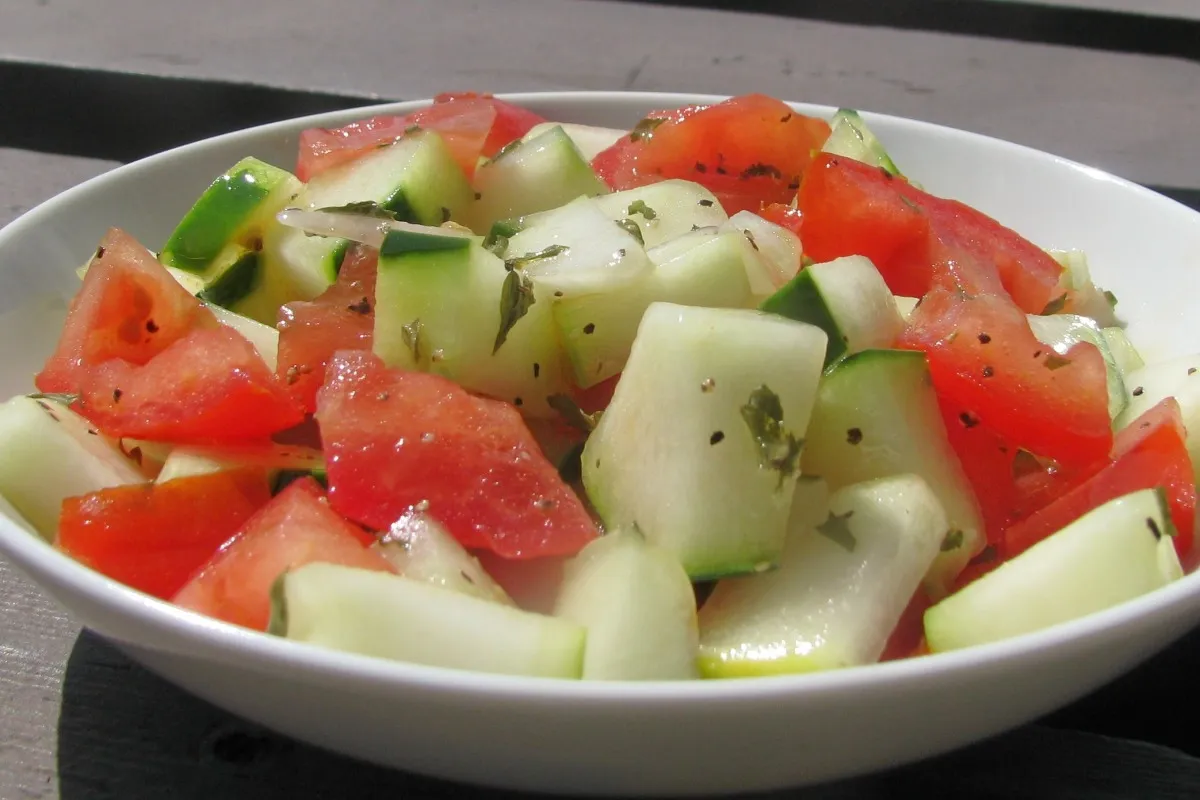
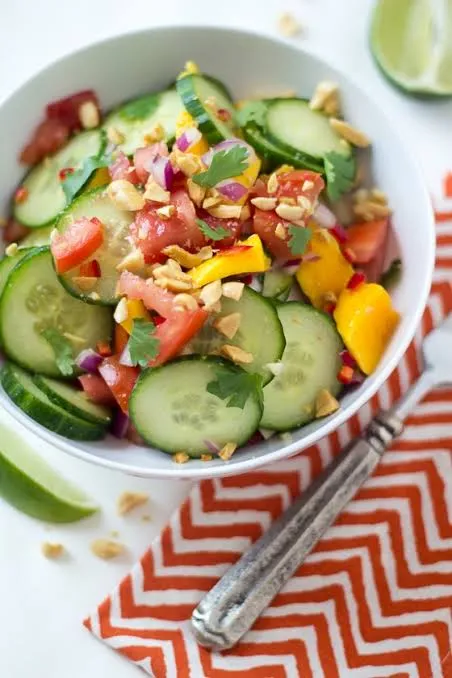
Shlada is the Moroccan tomato and cucumber salad, dressed with lemon and olive oil and seasoned with cumin. It goes by shlada 'arobiya, meaning country salad, and shlada Nationale, the national salad, which tells you how ordinary and how ubiquitous it is.
Everything depends on the knife work. The tomatoes, cucumber and onion are chopped very small, so that a single spoonful carries all three rather than one at a time. The contributor is emphatic that this is the secret of the salad, and it is a fair claim: the same ingredients in rough chunks make a quite different and much less interesting dish.
It also needs to sit. Ten minutes before serving lets the flavours combine, and up to an hour improves it further, which is unusual for a salad. Preserved lemon peel is the optional addition that makes it unmistakably Moroccan, and only the peel is used, never the pulp. It is eaten as a side, as a light lunch, and as a dip scooped up with khobz, the Moroccan bread. Parsley substitutes for mint, vinegar for lemon juice, and vegetable oil for olive oil, all of which are made.
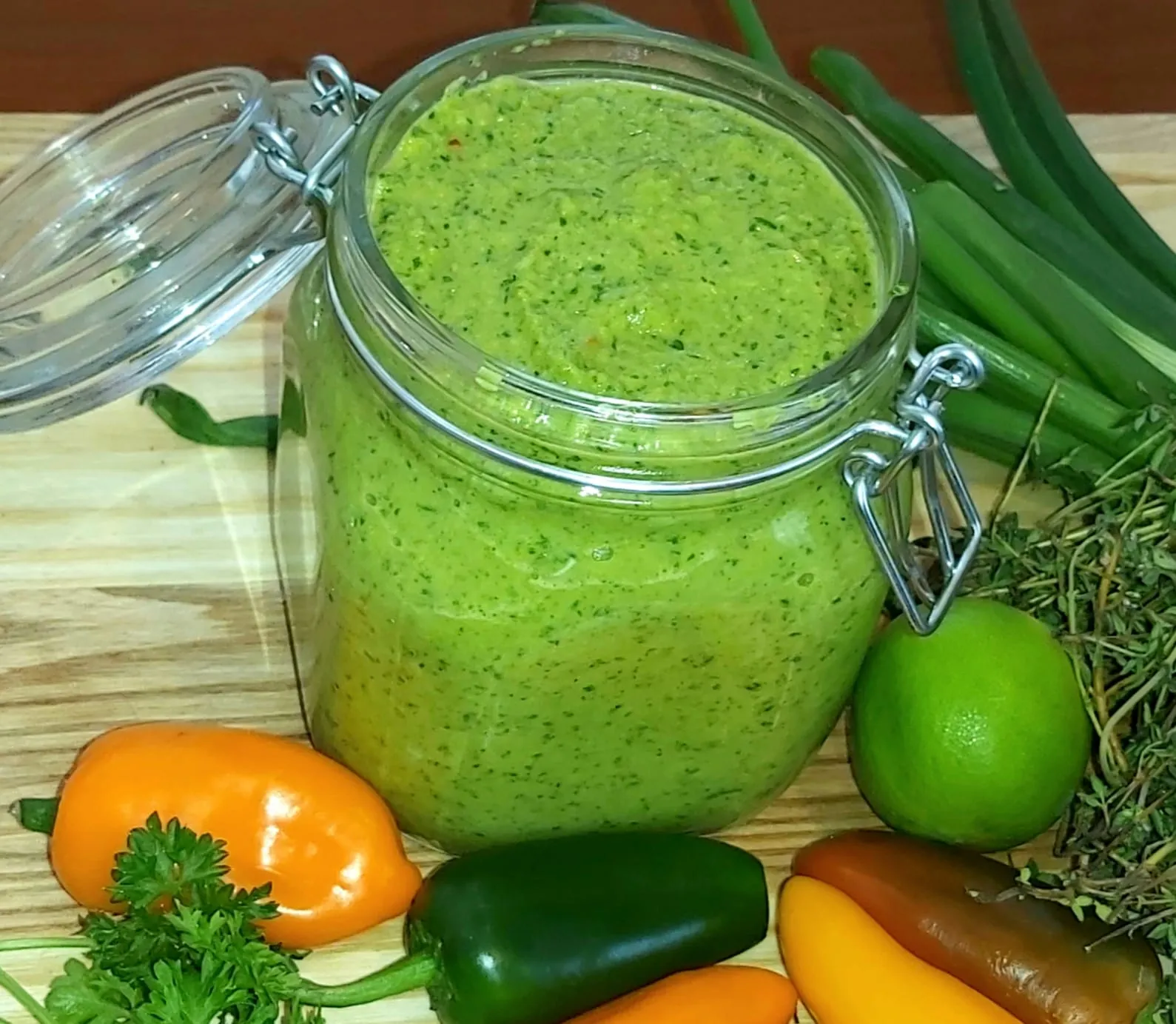
Green seasoning is a blended paste of fresh herbs, aromatics and chilli, used across the Caribbean as an all-purpose marinade and flavour base. Trinidad and Tobago is where it is most identified, and Guyana, Jamaica and the wider region all have versions.
The source describes it as known to the Caribbean and some parts of Africa, which is a fair way of putting it. Its home is the Caribbean. What it resembles in Africa is a family of green pastes that do similar work: Senegalese nokoss, Moroccan chermoula, and the blended pepper bases used across West Africa. Those are related in function rather than in origin, and green seasoning as it is made here is Caribbean.
It goes on everything: meat, seafood, grains, stews. Composition varies enormously by household and island, and the version here is a modest one built on parsley, coriander, celery, onion, garlic, scotch bonnet and thyme. Bigger versions include chive, culantro, pimento peppers and ginger. It keeps about a week refrigerated, and freezing it in ice cube trays is the standard way to hold a large batch, which is how most Caribbean kitchens handle it.
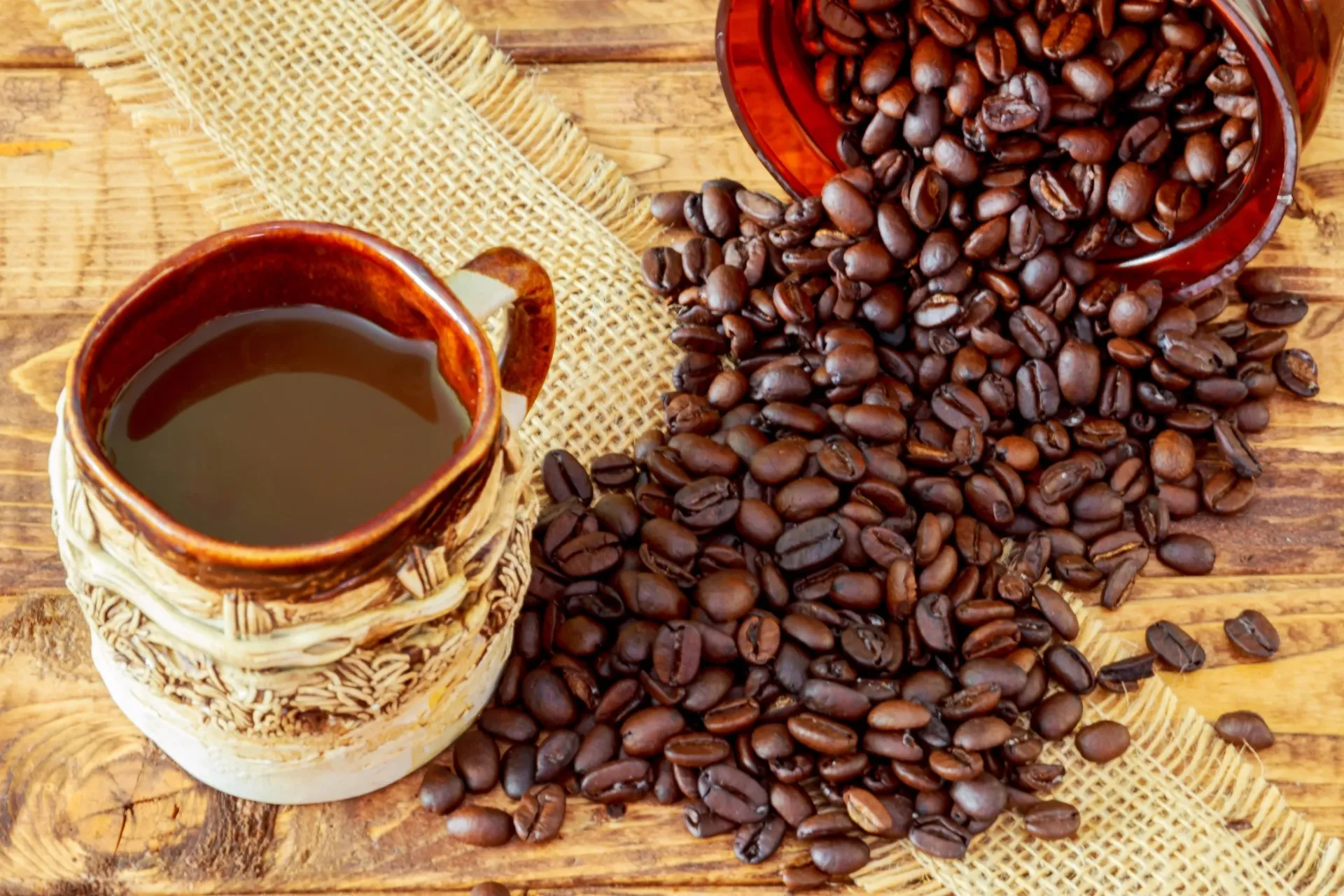
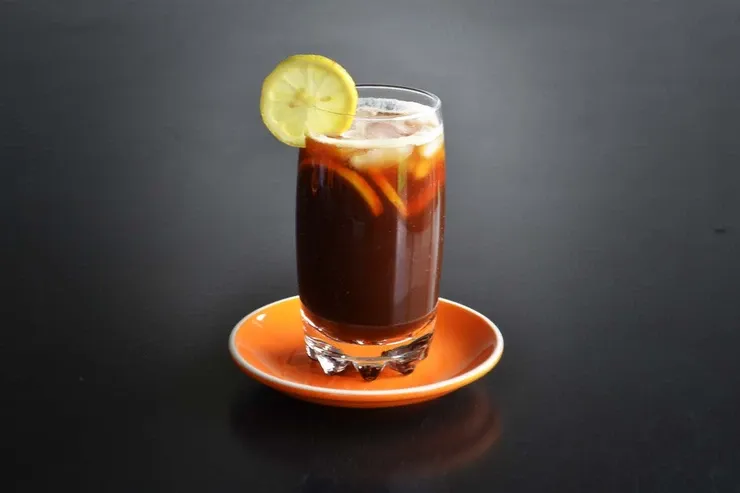
Mazagran is strong coffee poured over ice with lemon and sugar, and it has a fair claim to being the original iced coffee. It takes its name from Mazagran in Algeria, and it is Algerian in origin even though it is now far better known in Portugal.
The lemon has a practical history. It was added to improve the flavour of low quality coffee beans, which is a origin story shared by a good many drinks, and it turned out to make something worth drinking in its own right. The combination of citrus acidity against the bitterness of strong coffee is what the drink is, and good beans are not wasted on it.
It is traditionally served in a tall narrow glass, and there is an eponymous porcelain or clay vessel of the same name. The Portuguese version is the one most people encounter, sometimes made with espresso and lemon, sometimes with rum added. The recipe here is a Nespresso-branded version, which is worth noting: it specifies particular capsules, and any strong espresso or very strong brewed coffee substitutes. What it does not include, oddly, is the lemon that the article itself identifies as the defining ingredient.
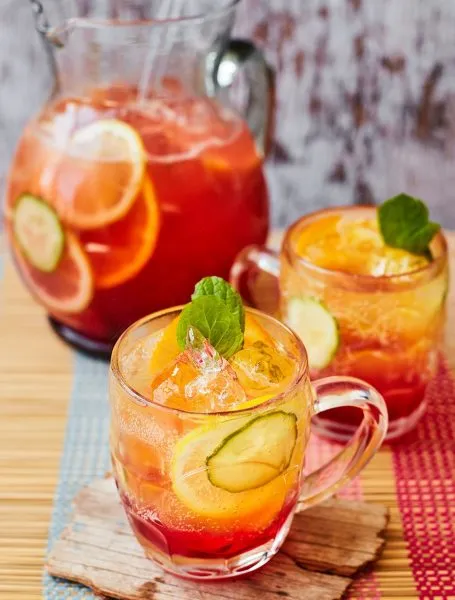
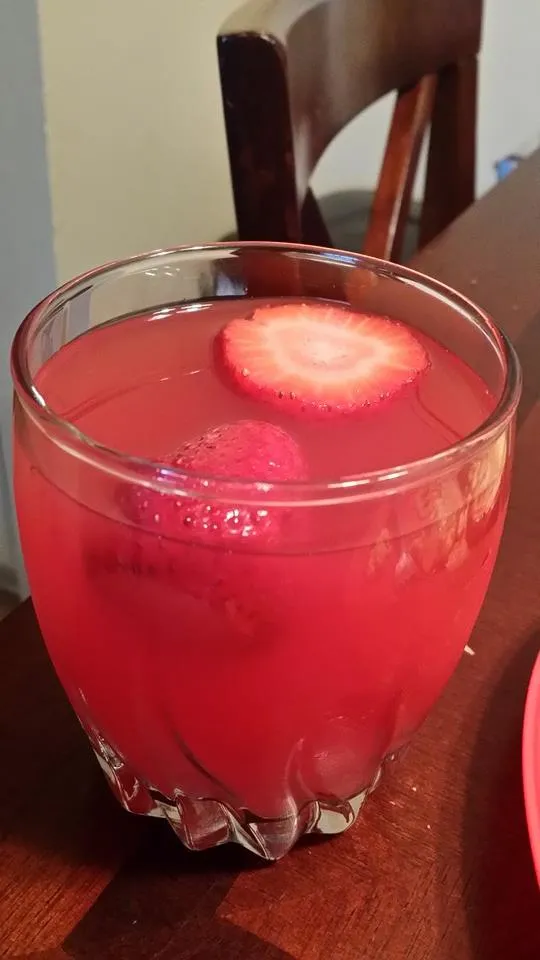
Chapman is Nigeria's best known mixed drink, a deep red fruity cooler served in dimpled beer mugs at parties, bars and restaurants across the country. It is made from two soft drinks, grenadine syrup, cucumber, citrus and mint, and it is as common at a Lagos owambe as jollof rice.
Whether it is alcohol free depends entirely on how it is made, and this matters more than most people assume. Angostura bitters is a standard ingredient and is around 45 percent alcohol by volume. The quantity used is small, so the finished drink is only very lightly alcoholic, but it is not a true mocktail unless the bitters are left out, which is what is done when it is served to children.
The cucumber is not garnish. Sliced into the jug it releases a cool, faintly vegetal note that cuts the sweetness of the two soft drinks and the grenadine, and a chapman without it tastes markedly flatter. The other detail worth following is freezing soft drink into the ice cubes rather than using water ice, so the drink does not dilute as it stands, which matters at a party where a jug sits out.
Dietary tags are provided by contributors as a guide, not verified by AFN, and they depend on the products you buy. If you have a serious allergy, check every ingredient yourself. Cooking, allergies and your own judgement