We use essential cookies to make the site work. We would also like to set analytics cookies and advertising cookies, but only if you agree. You can choose each one separately. Read our cookie policy

Loading
Recipes
Browse the archive by country, course and cooking time.

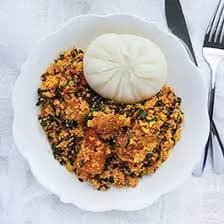
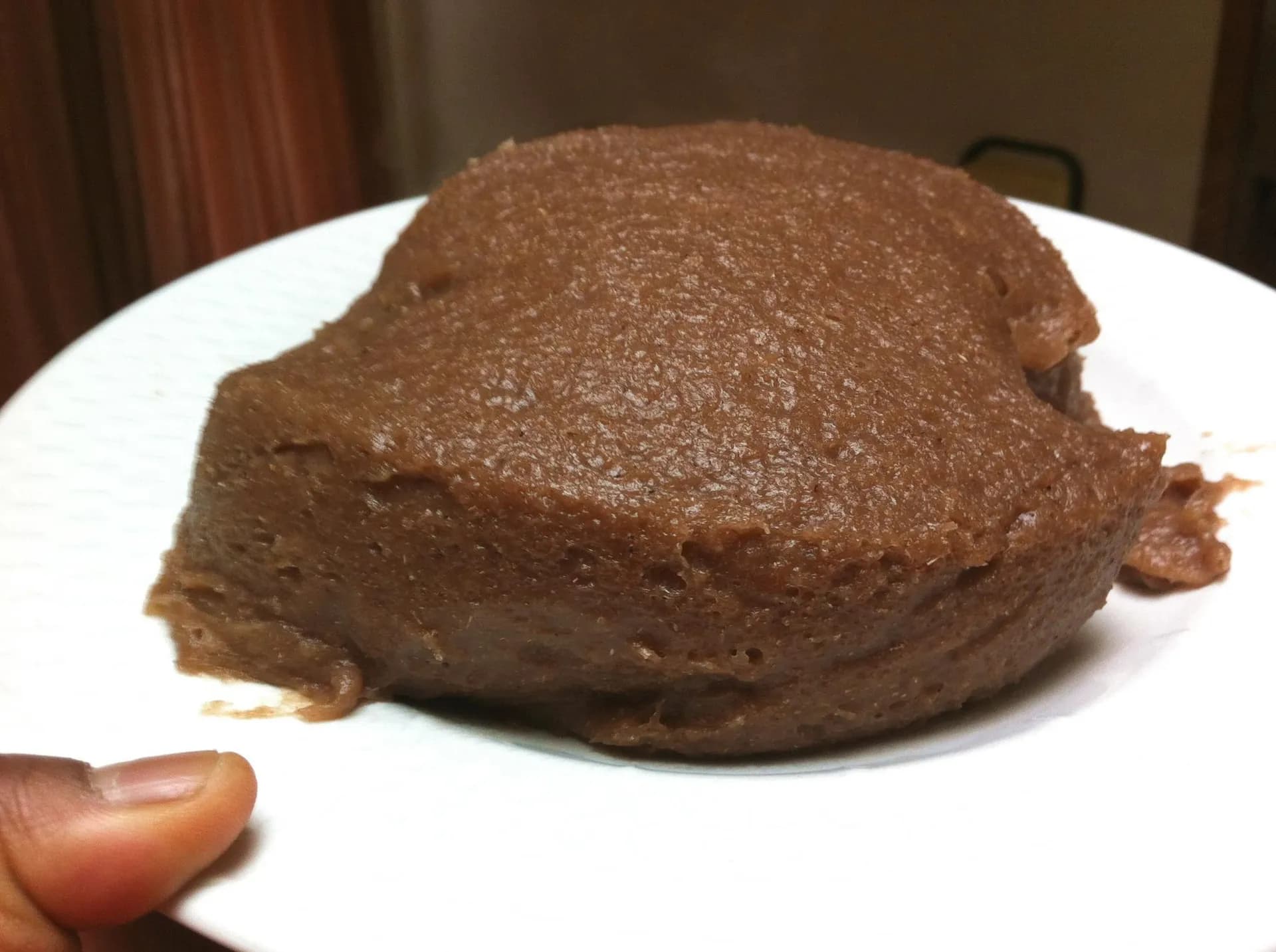
Pounded yam is white yam softened and then beaten until it becomes smooth, sticky and elastic, and it sits at the top of the Nigerian swallow hierarchy. Nigerians will argue about most things in their food and generally will not argue about this: iyan is what you serve when the occasion matters.
The pounding is the dish. The yam is softened, transferred hot to a mortar and worked with a pestle until the structure breaks down completely and the mass turns stretchy, and there is a technique to it that varies between ethnic groups and is learned rather than described. It is hard physical work, traditionally done by women though not exclusively, and the sound of it carries.
It is called iyan by the Yoruba, and the same or a closely related preparation is foutou in Côte d'Ivoire, fufu in Togo and Benin, and yam fufu in Ghana, which makes it one of the most widely made yam products in West Africa. Its texture is what distinguishes it from the rest of the swallow family: smoother than eba, more elastic than amala, and considerably more work than either. Food processors, blenders and hand mixers have made it accessible on a weeknight, and pounded yam flour has made it possible with no yam at all, which purists note without much affecting what happens in most kitchens.
Djablani is a Malian drink of ginger, lemon and baobab, served cold and sharply flavoured. It belongs to the family of fresh homemade drinks sold in bags and bottles across West Africa, alongside bissap made from hibiscus and dakar made from tamarind, prepared in quantity in households and sold by the roadside.
The baobab is what places it. The tree grows across the Sahel and is one of the defining plants of the Malian landscape, distinctive in shape, able to survive extreme heat and poor soil, and long lived on a scale that has made it a landmark in its own right. Its fruit gives a pale tart pulp used in drinks and porridges across the region, and its leaves are dried and ground for soup.
Ginger carries the rest. West African ginger drinks are made strong, and the heat in a properly made djablani is genuine rather than suggested, which is what the sugar and the lemon are there to balance. It is served cold, often with mint, and it is refreshment in a climate where that word means something specific. Fresh drinks of this kind are a category of their own in West African hospitality: made at home, given to guests, and sold cheaply on the street.
Oyster mushrooms grilled and tossed in suya spice. It is a plant-based version of the Nigerian street food, and it works better than most meat substitutions do.
**The traditional suya spice contains ground peanuts, and this recipe includes them.** The source flags it and offers to leave them out, which is honest, but it is worth stating clearly, because a peanut allergy and a suya spice blend are a genuinely dangerous combination and the name gives no warning.
Suya proper is skewered beef, ram or chicken rubbed in yaji, the spice blend of ground roasted peanuts, ginger, cayenne, garlic, onion powder and paprika, and grilled over open coals. It is Hausa in origin, from northern Nigeria, and it is sold across Nigeria, Cameroon, Niger, Ghana and parts of Sudan. Kyinkyinga is the Ghanaian name, agashe the Sudanese.
Oyster mushrooms are the right substitution and not an arbitrary one. Shredded, they have a fibrous, layered structure that genuinely resembles pulled meat, they take on the dry rub readily, and they char well. Most vegetables do neither.
The source's method is very compressed, one step reads "put in a preheated medium", with the word oven missing, and has been filled out below.
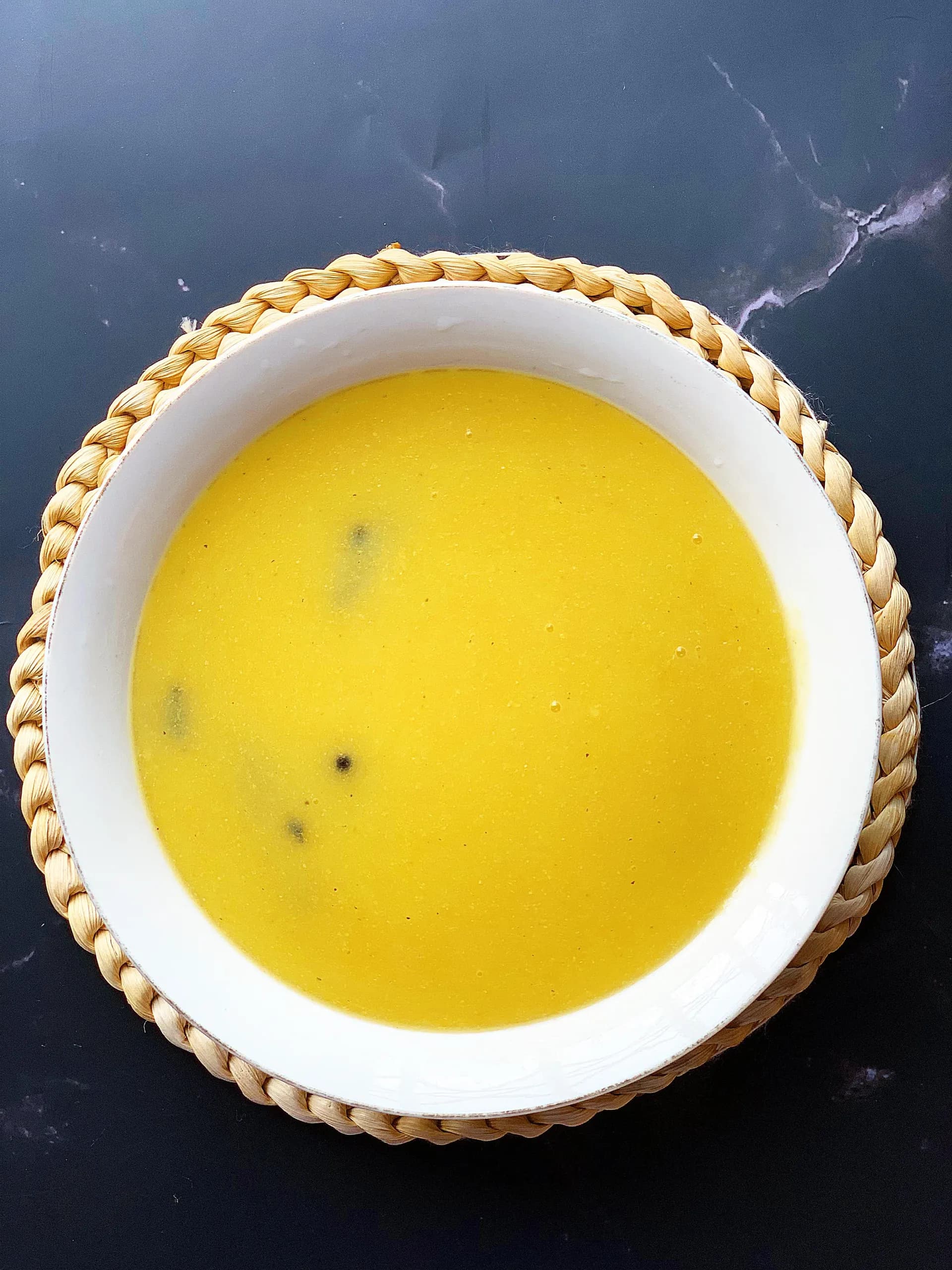
Corn dough porridge is a Ghanaian breakfast, particularly in the south, made from fermented corn dough thinned with water and cooked with grains of selim until thick. It is closely related to koko and to ogi across the border in Nigeria, all built on the same fermented maize.
Fermentation is what gives it its character. Corn is soaked, ground and left to sour for several days, which produces a distinctly tangy flavour and makes the grain easier to digest. Fermented corn dough is sold ready made at Ghanaian and Nigerian markets and grocers, in blocks or bags, and making it from scratch takes days rather than minutes.
Grains of selim, also called negro pepper or hwentia, is the spice that makes this Ghanaian rather than generic. It is a long dark pod with a smoky, slightly bitter, aromatic flavour, crushed into the water before the corn goes in. The other technique that matters is straining: the dough is slaked with water and passed through a strainer before it meets the heat, which is the only reliable way to avoid lumps. It is served hot with sugar, and often with milk, roasted nuts or coconut flakes.
Dietary tags are provided by contributors as a guide, not verified by AFN, and they depend on the products you buy. If you have a serious allergy, check every ingredient yourself. Cooking, allergies and your own judgement