We use essential cookies to make the site work. We would also like to set analytics cookies and advertising cookies, but only if you agree. You can choose each one separately. Read our cookie policy
Loading
Recipes
Browse the archive by country, course and cooking time.
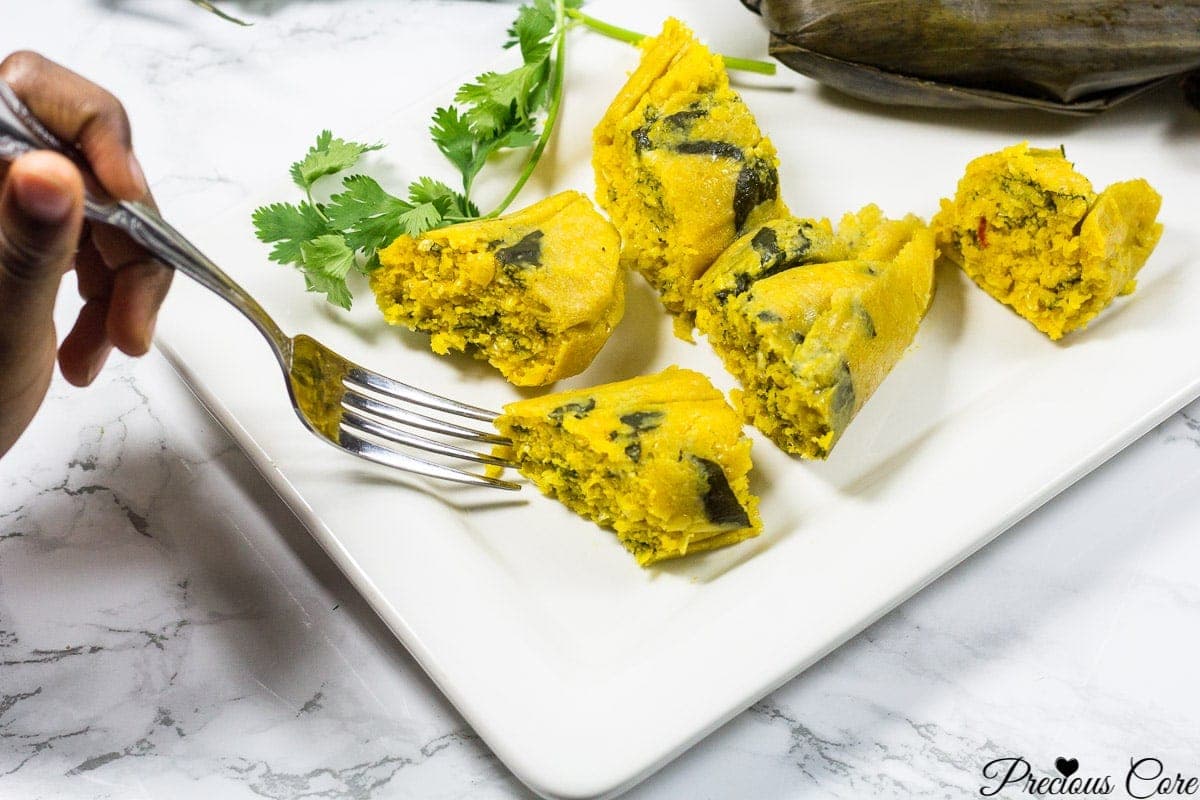
Dan wake is a northern Nigerian dish of dumplings made from bean flour and kuka, the powdered leaf of the baobab tree. The name translates from Hausa as son of beans, and the dumplings cook in water until they float, then are drained and dressed with oil and spice, and eaten with a salad of raw vegetables and hard egg.
Kuka is what colours it and what makes it northern. Baobab leaf powder is used across the Sahel as a thickener and a green vegetable, and its slightly mucilaginous quality helps bind the bean flour dough. Potash, kanwa, is the third component, a traditional alkaline salt used across West African cooking to soften and to alter texture, and it is what gives dan wake its particular chew.
It is deliberately plain on its own. The dumplings carry almost no seasoning and rely entirely on what is put on them: yaji, the peanut based suya spice, fried oil, sliced onion, cabbage, tomato and cucumber, and often a sauce alongside. That construction, a neutral base plus an assertive dressing, is common across northern Nigerian street food and it is why dan wake is sold from stalls rather than mainly cooked at home.
Jollof penne rigate is what happens when the Nigerian jollof method is applied to pasta rather than rice, and it has become a genuine staple of home cooking rather than a novelty.
The logic is straightforward once you see it. Jollof is not really a rice dish, it is a technique. A base of blended tomato, red pepper, onion and chilli is cooked down hard in oil until the raw edge burns off and the mixture darkens, and then the starch is cooked in that base so it takes on the colour and flavour all the way through rather than being sauced at the end. Apply that to pasta and you get jollof pasta.
Penne rigate is the shape most associated with it, and the ridges are the reason, they hold the thick tomato base in a way smooth pasta does not.
It sits in the same family as the spaghetti dishes cooked across Nigeria and Ghana, and it belongs to the same broad West African habit of taking an imported staple and cooking it by local rules rather than the rules it arrived with. In Nigerian homes it is weeknight food, lunchbox food and party food, and it is one of the dishes most likely to be cooked by someone learning to cook for themselves.
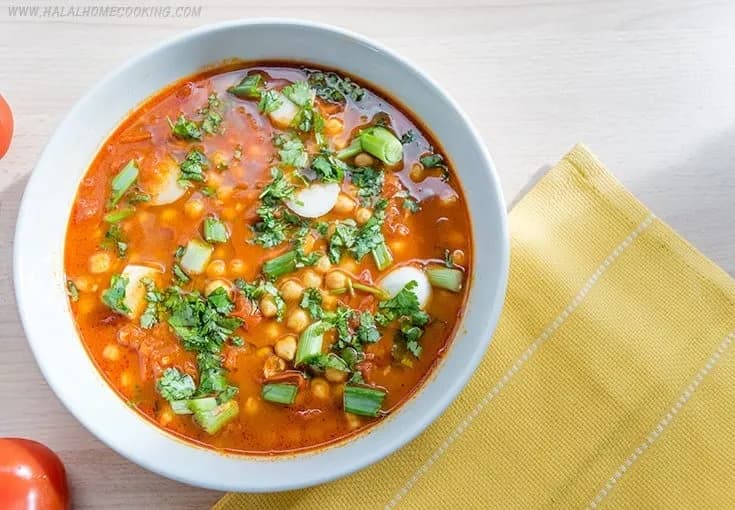
Dried white beans cooked until tender, then finished with red onion and sliced tomatoes into a thick, soupy stew. It is Malagasy, and it is served everywhere on the island.
It is laoka, which is the useful word here. In Malagasy eating, rice is the meal and laoka is whatever accompanies it, the thing that goes on top of, or beside, a large plate of rice. Tsaramaso is one of the most popular laoka in the country, and it is eaten as a matter of course rather than as an occasion dish.
It is very often not vegetarian. Zebu meat, the humped cattle that are central to Malagasy life, makes it hen'omby sy tsaramaso, and pork makes it tsaramaso sy henakisoa. The shank is the cut the source recommends. This version is the plain one, which is also widely eaten.
The technique in the recipe is worth noting: the beans are cooked separately in water, seasoned only at the end, and a cup of their cooking liquid is kept back. That liquid is what the finished stew is loosened with, and it carries starch and flavour that plain water would not.
The source compares it to cassoulet, which is a reasonable shorthand, beans and meat cooked long and slow, though the seasoning is entirely different.
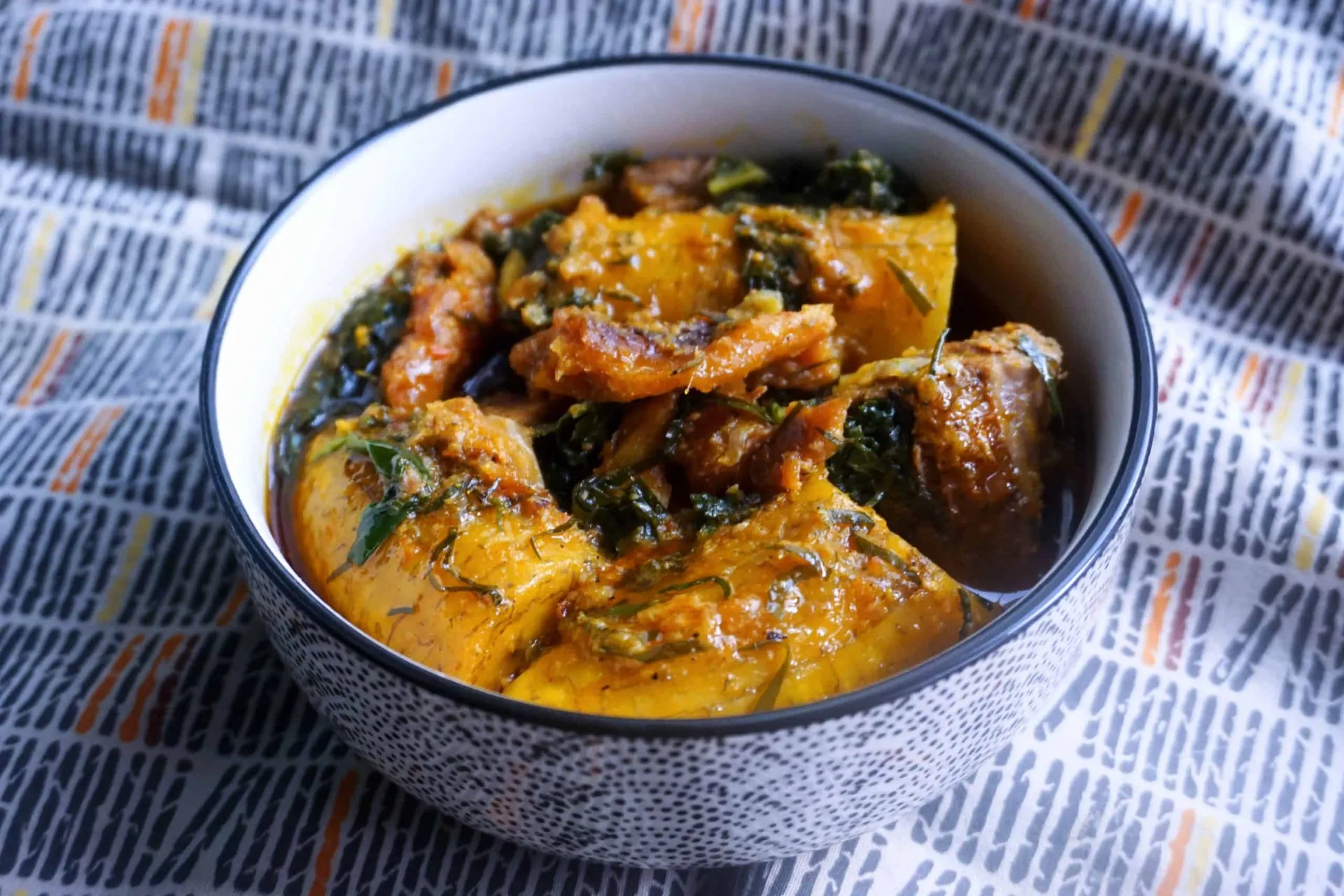
Green plantain cooked down in water with tomato, onion, pepper and palm oil until soft and the liquid has thickened around it. It is Cameroonian and eaten across West Africa, and it is one of the most straightforward one-pot meals in the repertoire.
The name is a description of the cooking. Sese refers to the motion of turning the plantains as they cook, which is what gives the dish its texture, the pieces soften and their starch leaches into the liquid, thickening it without any need for a thickener. It is also called sese planti, turning planti, or simply unripe plantain porridge.
Green plantain is the requirement rather than a preference. Unripe plantain is starchy and firm, holds its shape through the cooking, and provides the starch that thickens the pot. Ripe plantain is sweet and soft, disintegrates, and turns the dish into something else entirely.
It scales in both directions. At its simplest it is plantain, palm oil, salt and crayfish; elaborated, it takes fish, any meat and vegetables. Both versions are made routinely.
The source's water quantity is malformed and its health claims about palm oil have not been carried across. Cashews as a garnish are an unusual touch and worth keeping.
Dietary tags are provided by contributors as a guide, not verified by AFN, and they depend on the products you buy. If you have a serious allergy, check every ingredient yourself. Cooking, allergies and your own judgement